


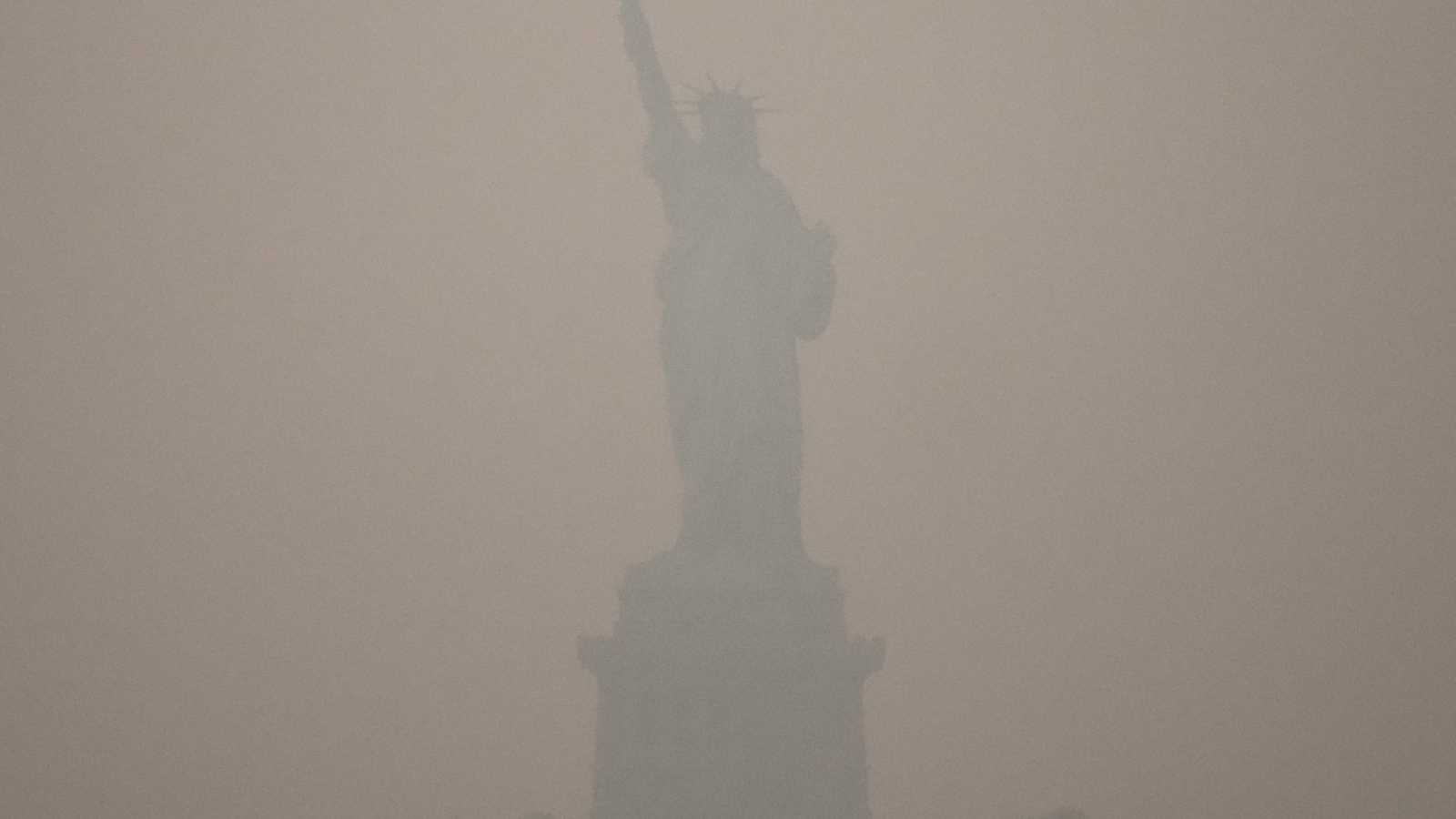
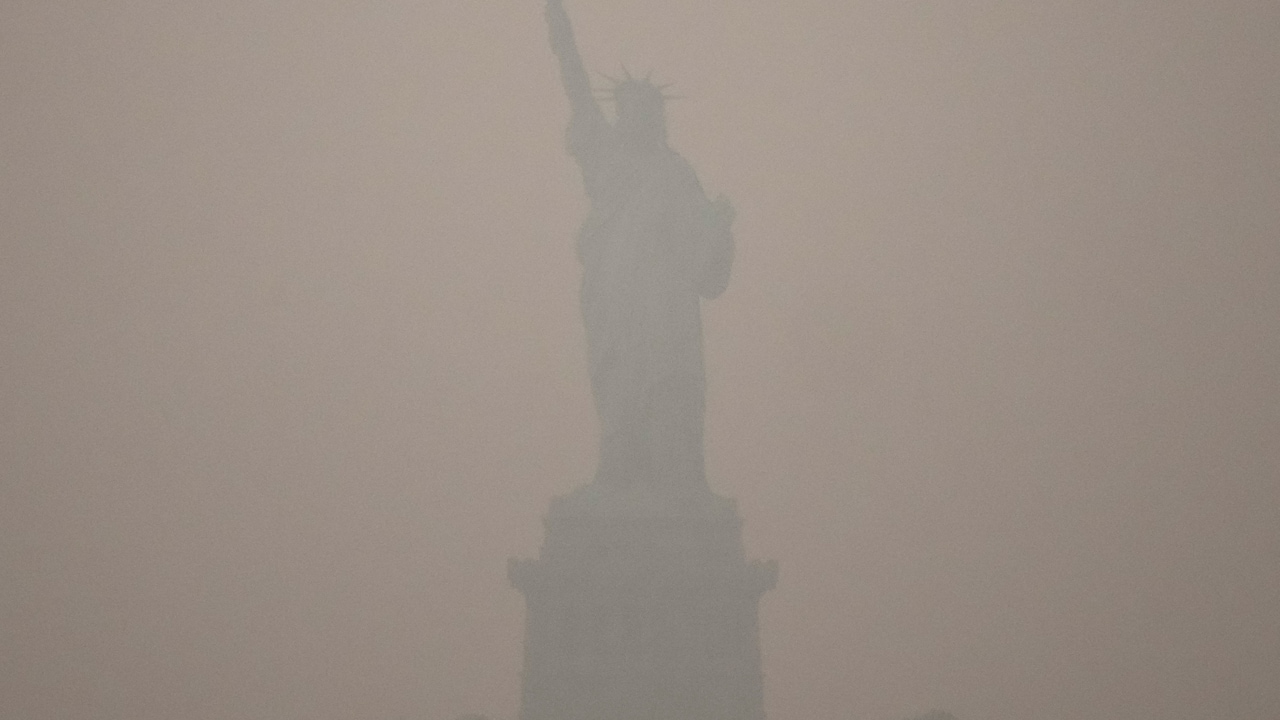
Smoke drifting south from wildfires in Canada has triggered air quality warnings in the New York metropolitan area before the 2026 FIFA World Cup final, with more than 80,000 spectators set to attend the showpiece at MetLife Stadium.
Health Concerns Mount
Health officials have cautioned that prolonged exposure to the current pollution levels could carry risks comparable to smoking several cigarettes a day, particularly for children, the elderly, and those with respiratory conditions.
Advisories have been issued across New York and New Jersey, with residents in vulnerable groups urged to restrict time spent outdoors until the haze lifts.
Despite the warnings, Spain’s squad carried on with outdoor training sessions as scheduled. Argentina, by contrast, have been unaffected by the smoke, as their preparations are based out of Atlanta, the New York Times reported.
Weather Expected To Turn
Forecasters say a cold front and rain moving in over the weekend should help disperse the smoke before Sunday’s final between Spain and Argentina, which kicks off at 3 p.m. local time at MetLife Stadium in East Rutherford, New Jersey, Al Jazeera reported.
ALSO READ: World Cup Fever Hits US Economy With A $11 Billion Price Tag As Sick Leaves Spike
Hot, hazy conditions are expected to persist through the week, with temperatures nearing the low 90s Fahrenheit, before showers arrive on Saturday and bring cooler, clearer air into Sunday.
Even so, meteorologists have flagged that a combination of lingering smoke and continued heat could still pose some risk to both players and supporters at the stadium, even if conditions ease as anticipated.
FIFA Yet To Signal Any Change
Organisers have given no indication that the match could be postponed or relocated, with current forecasts pointing to sufficient improvement in air quality for the final to go ahead on schedule.
ALSO READ: FIFA World Cup 2026 Closing Ceremony: Date, Time, Performers, Jennifer Hudson, Halftime Show
The tournament, jointly hosted across the United States, Canada and Mexico, has already been marked by extreme heat, with a significant share of its fixtures played in temperatures above 90°F — making it the warmest World Cup since the US last hosted the event solo in 1994.
Matches have also faced repeated stoppages under FIFA’s thunderstorm protocol, which halts play whenever lightning is detected within an eight-mile radius of a stadium, adding a further layer of unpredictability to the tournament’s closing stages.
Essential Business Intelligence,
Sharp Market Insights,
Practical Personal Finance Advice, Daily Fuel, Gold and Silver Prices and Latest Stories — On NDTV Profit.



