


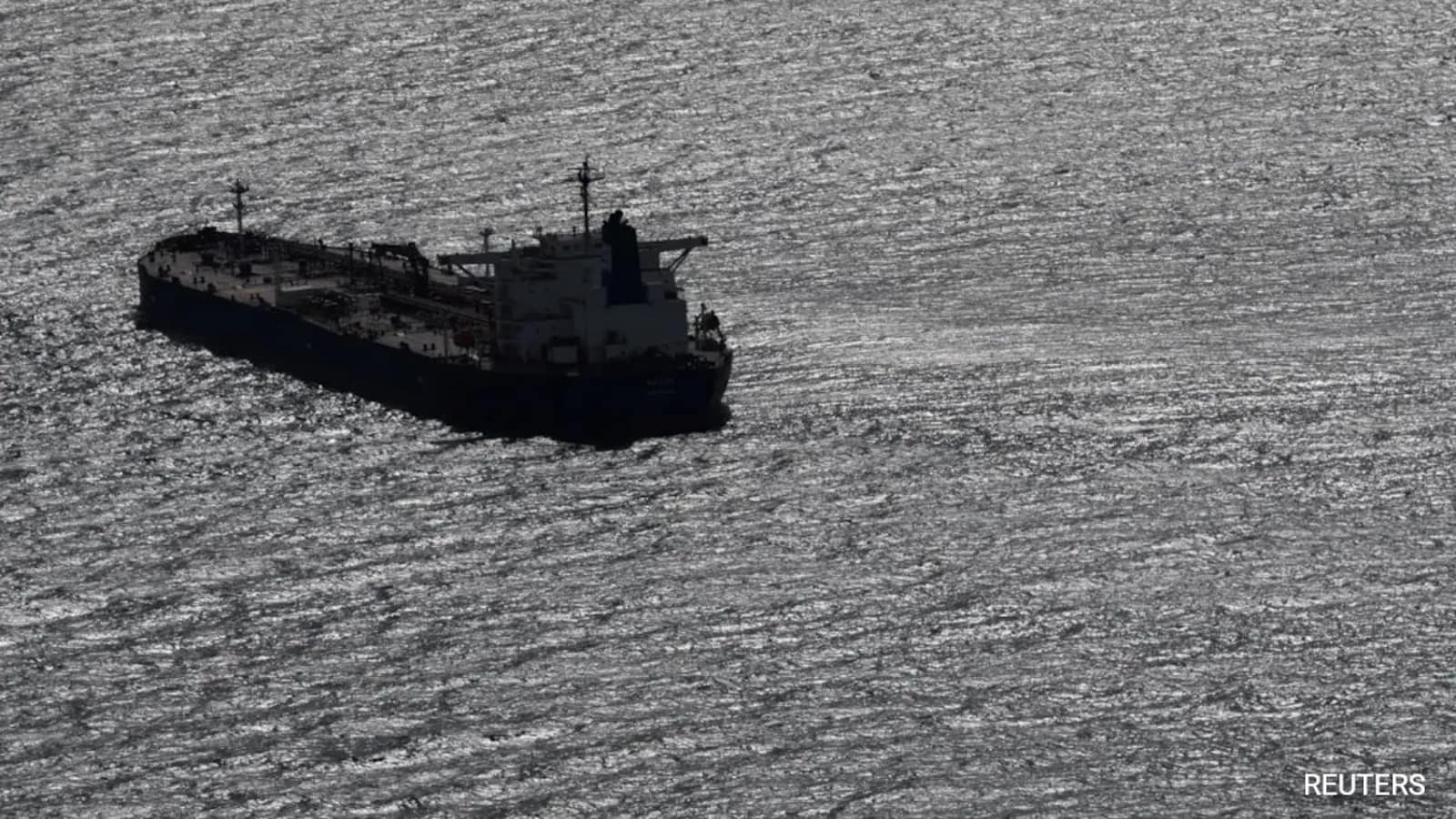
Ships in the so-called “dark fleet” have long been seen as a threat because of their old equipment and poor safety records. But a new concern has emerged — their digital systems.
According to a report by The Wall Street Journal, criminal operators running these vessels are using online tools to manage ships, control crew members and hide illegal operations. However, the same technology can also be exploited by hackers, creating risks of major accidents such as explosions or oil spills.
The US Coast Guard’s cyber teams say these ship owners often ignore both physical safety rules and digital security checks, leaving the vessels vulnerable.
“We’ve known for years that the dark fleet posed significant physical risks, because we knew they were operating old ships, they weren’t maintaining them,” said Rear Admiral Jason Tama, head of the Coast Guard’s Cyber Command.
“But what we didn’t know until these boardings was what type of cyber risks were aboard these ships.”
Remote Access, Malware And Hidden Threats
During inspections, Coast Guard cyber teams found that many of these ships were connected to the internet through high-speed communication systems and were using remote desktop programs like AnyDesk and TeamViewer.
These programmes allowed owners and operators to access ship systems from anywhere in the world. Investigators found that some of these tools had “persistent installations” and allowed “unattended access”, meaning remote connections could happen without anyone physically present.
In one case, investigators found that dark-fleet administrators tried to delete information from a vessel remotely after the ship was boarded by US officials.
“I think all of us probably lost some sleep at night once we really figured out how hazardous some of these vessels are and knew that our personnel were on board,” Tama said.
“We needed to make sure that those networks were not compromised or weaponised in a way that could make the environment risky for our personnel.”
The teams also discovered pirated software used for navigation and business operations that contained malware. Officials warned that infected systems connected to important ship controls could create serious problems, especially on tankers carrying large amounts of crude oil.
“For a vessel that’s carrying tens of millions of gallons of crude oil, which is highly volatile, there’s always a risk of fire explosion,” Tama said.
“The atmosphere in the tanks of which has to be very carefully managed to ensure that you’re not going to get a situation where there’s a fire explosion. And then there’s always a risk of an oil spill.”
Fake Identities And Efforts To Hide Ships
Investigators also found evidence that some dark-fleet vessels were trying to hide their true identities. Some ships had multiple automatic identification system devices, allowing them to broadcast false information about who they were.
In one case, officials found a switch that sailors used to electronically change between different vessel names, effectively creating a digital version of changing a ship’s identity.
“Not unlike when somebody searches the obituaries and takes up a name, the dark fleet owners will seek out vessels that have been deconstructed and taken to the breaker yards, and then use those same names so that there is at least an echo in the system of this vessel existing,” said Tama.
The Coast Guard hopes that revealing these weaknesses will encourage more countries to take action against the shadow fleet. Since the US began a global crackdown in December, countries including France, the UK and Germany have moved against tankers involved in carrying Russian oil.



