


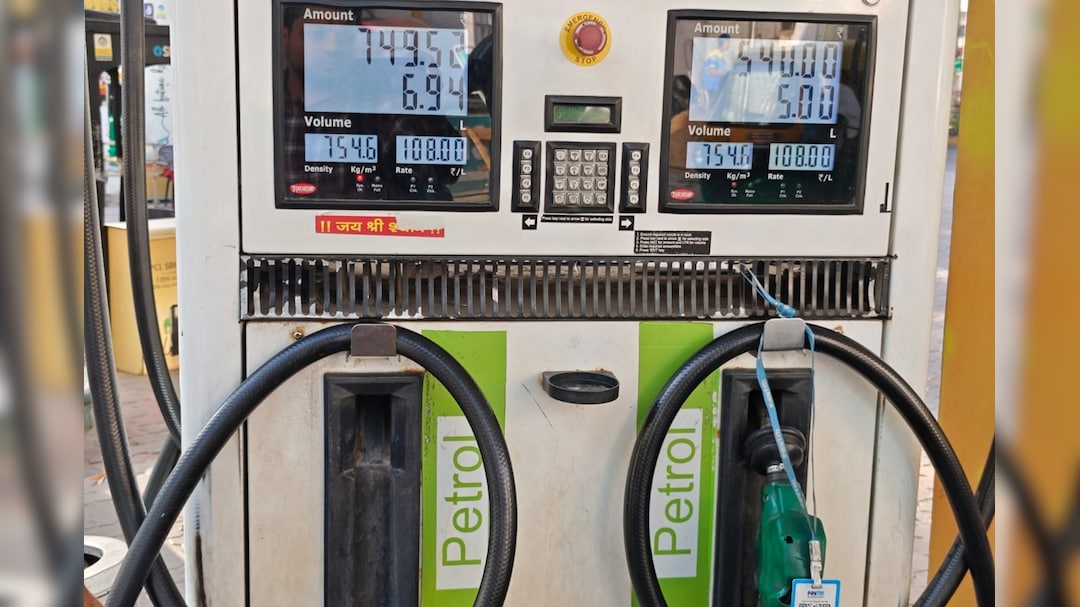
A Rs 3 per litre hike in petrol and diesel prices would barely scratch the surface of the losses currently being absorbed by oil marketing companies, government sources said, underscoring the Centre’s broader strategy of shielding consumers from the full impact of the global oil shock.
According to top sources, state-run oil marketing companies (OMCs), along with the government, are currently absorbing losses of nearly Rs 1,000 crore every day to prevent a sharp spike in retail fuel prices despite the surge in global crude oil prices triggered by escalating tensions in West Asia.
ALSO READ: Explained: How Petrol And Diesel Price Hike Will Benefit HPCL, BPCL And IOCL
Sources said petrol under-recoveries are currently estimated at around Rs 26 per litre, while diesel under-recoveries are as high as Rs 82 per litre. In that context, officials indicated that even a modest Rs 3 hike would account for only a fraction of the financial burden currently being borne by OMCs.
The government’s message, sources said, is clear it does not want Indian consumers to bear the full burden of rising global crude prices through steep increases in pump prices. Officials believe a sharp fuel price hike would have widespread inflationary consequences across the economy by increasing transportation costs, pushing up food prices and hurting household budgets at a sensitive time for domestic demand.
According to sources, India’s fuel demand remains largely “price inelastic”, meaning even substantial increases in fuel prices may not significantly reduce consumption. In such a situation, policymakers believe passing on the entire burden to consumers would inflict economic pain without materially lowering import dependence.
The Centre is also attempting to shield the agriculture sector from the global commodity shock. Sources pointed out that the government is already bearing a fertilizer subsidy burden estimated at nearly Rs 2.25 lakh crore to protect farmers from rising input costs.
Officials said the broader policy approach currently is to focus on reducing fuel consumption gradually and improving energy efficiency rather than imposing sudden price shocks on consumers. Prime Minister Narendra Modi, sources added, has been pushing for lower fuel consumption patterns and reduced import dependence instead of aggressive retail price hikes.
The concerns stem from India’s growing import burden amid elevated crude oil prices. Government sources described the situation as a “massive twin drain” caused by rising oil and gold imports. India’s annual crude oil import bill is estimated at around Rs 12-15 lakh crore, with every $10 increase in crude prices adding nearly $13-14 billion to the country’s import burden.
ALSO READ: Fuel Price Woes: Rs 3/Litre Jump Falls Short, Future Hikes Seen As ‘Moving Target’: Experts Weigh In
At the same time, officials stressed that the current crisis is fundamentally different from past domestic economic crises. Sources said the present pressures are being driven by external geopolitical developments, particularly the escalating US-Iran conflict and fears of disruptions in the Strait of Hormuz.
“India has zero control over these geopolitical developments,” a source said, adding that the government is consciously trying to avoid transferring the entire external shock onto consumers.
Officials also argued that India’s macroeconomic position remains far stronger than during the 2012-13 crisis period. The current account deficit remains below 1.5% of GDP compared with nearly 5% during the earlier crisis, while inflation remains relatively contained despite global volatility.
Essential Business Intelligence,
Continuous LIVE TV,
Sharp Market Insights,
Practical Personal Finance Advice and
Latest Stories — On NDTV Profit.



