


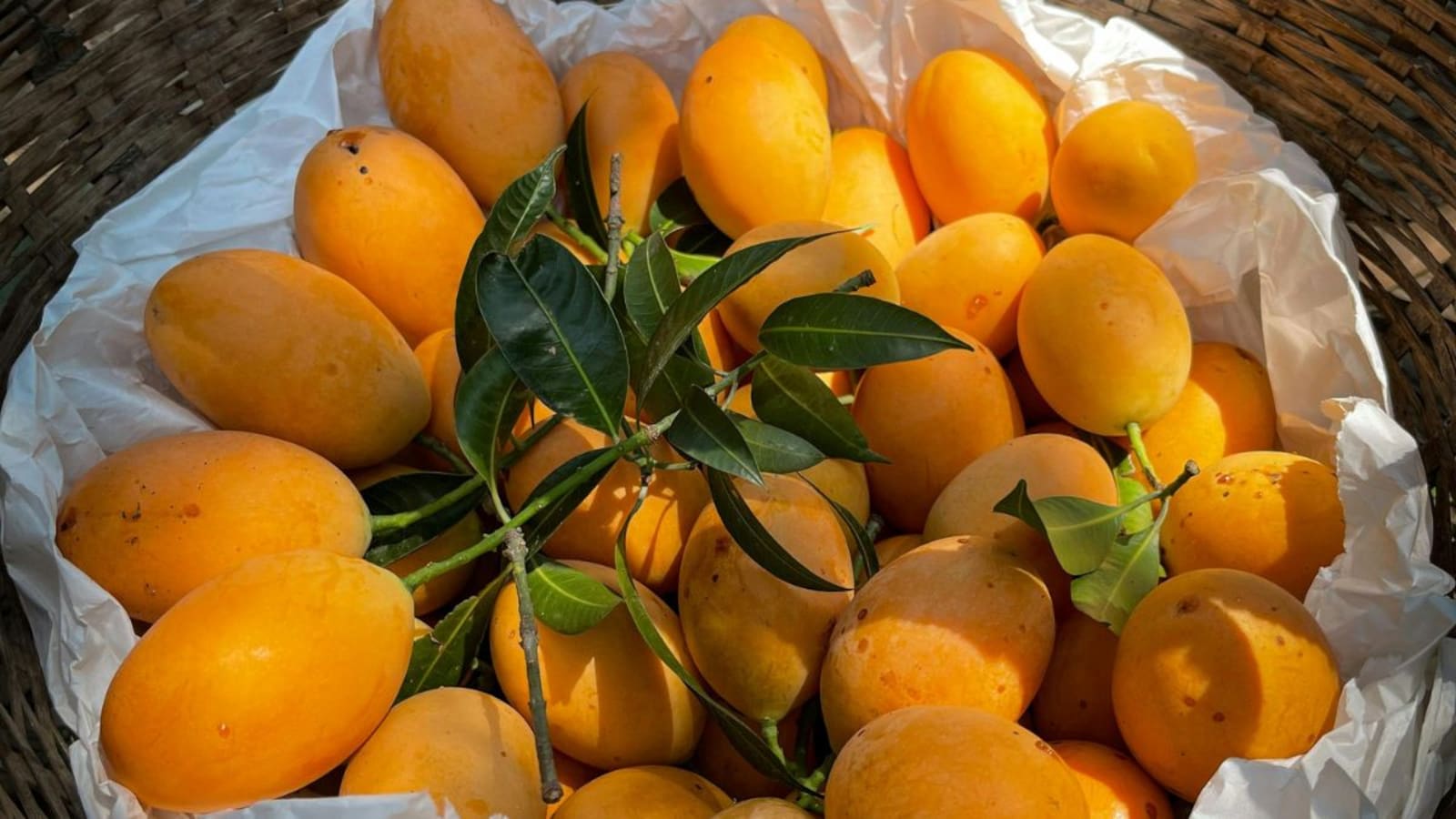
For many Indians, summer officially begins when Alphonso mangoes arrive in the market. But this year, things are very different. In Maharashtra’s Konkan region, known as the homeland of the world-famous Alphonso mango, farmers are staring at empty orchards, damaged crops, and massive financial losses. Unseasonal rains followed by severe heatwaves have badly hit mango production this season, with farmers reporting a nearly 80% decline in yields.
What Exactly Happened To The Alphonso Crop?
From villages in Sindhudurg and Ratnagiri to fruit markets in Nashik and Mumbai, mangoes have become so expensive that many customers are simply walking away without buying them. Farmers say the weather completely disrupted the natural growing cycle of the mangoes this year.
The Alphonso mango tree is extremely sensitive to weather conditions. But this year, Konkan witnessed untimely rainfall at crucial stages, followed by intense heatwaves. The rains damaged mango blossoms before the fruits could properly develop. Then the extreme heat destroyed many of the remaining fruits.
In Sindhudurg, Ratnagiri, and nearby regions, trees that would normally be loaded with mangoes are now carrying only a fraction of the usual crop. Farmers say this is one of the worst seasons they have seen in years. According to growers in Maharashtra’s Konkan belt, production has dropped by almost 80% compared to a normal season.
The “King Of Fruits” Is Becoming Too Expensive
Alphonso mangoes are often called the “King of Fruits.” Every year, people across India eagerly wait for Ratnagiri and Devgad Hapus mangoes. But this year, buying Alphonso mangoes has become difficult for many families. Due to the sharp fall in supply, prices have skyrocketed. Reports from Nashik markets suggest prices have risen by nearly 20-35%. In some places, premium Alphonso mangoes are reportedly being sold for as high as Rs 1,500 per dozen.
And ironically, despite the high prices, traders say business is weak because customers cannot afford to buy mangoes at these rates. For farmers in Konkan, the mango season is their biggest source of yearly income. Many families depend entirely on Alphonso earnings to support themselves for months. This is why the crop failure has created deep financial stress across the region.
Growers are now demanding immediate government help, compensation, and reforms in crop insurance schemes. The frustration has become so intense that angry farmers recently blocked the Mumbai-Goa National Highway in protest.
The Crowded Markets Are Now Empty
Ground reports from Sindhudurg captured the growing distress among mango farmers, many of whom fear heavy debts and uncertain futures if support does not arrive soon. The impact of the crisis can also be seen in wholesale fruit markets.
In Nashik, traders say mango markets that are usually crowded with customers during summer now look unusually empty. Describing the painful situation, one Hapus mango vendor said, “In the past, people used to form long queues just to buy mangoes. Today, however, the situation is such that we are left waiting for a single customer to arrive, hoping that someone might finally come and purchase some mangoes or other fruits.”
The vendor explained that even traders are struggling to survive this season. “We aren’t even recouping the capital we invested to purchase these mangoes from farmers and middlemen. Customers are simply unwilling to buy mangoes at the current rates.” This means losses are happening at every level. Farmers, traders, transporters, and exporters are all being affected.
Export Business Has Also Suffered Badly
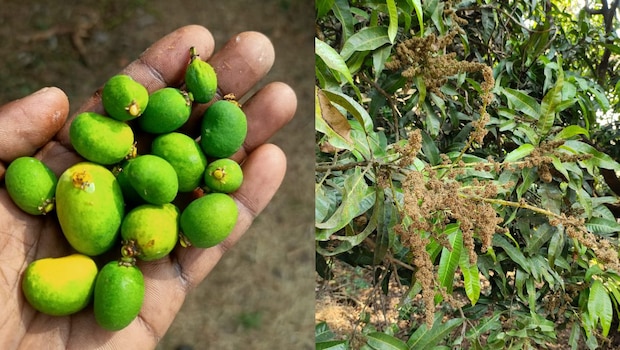
The Alphonso mango is not just popular in India. It is exported to several countries and has a huge international fan base. But this year, exporters are also struggling. The vendor explained how disrupted supply chains and global tensions have added to the crisis. “The ongoing conflict has had the most severe impact on our export business. Previously, exports used to generate a modest profit for us; however, supply chains have now been disrupted, and our entire business has plunged into a loss.”
“Please buy mangoes,” vendors appeal. The vendor made an emotional appeal to the public, saying, “We appeal to the public, please buy and eat mangoes! This season used to be our most profitable period. Yet, the situation has now become so dire that we are contemplating giving up the mango trade entirely, starting next year.”
Customers Say Mangoes Are No Longer For The Common Man
On the other side are customers who say mangoes have simply become unaffordable. One customer in Nashik summed up, “Why should we buy mangoes? At this point, mangoes are no longer within the reach of the common man.” The customer added, “Either the quality is poor, or the prices are skyrocketing.”
There are also increasing concerns about chemically ripened mangoes. “People are increasingly becoming aware of the potential side effects associated with consuming mangoes that have been artificially ripened using chemicals,” the customer said. Because of this, many buyers now prefer ordering directly from Ratnagiri farmers instead of buying from local markets.
The customer also highlighted how extreme the prices have become this year. People are now “waiting for the price of mangoes, currently selling at Rs 1,500 per dozen, to drop to Rs 500 or Rs 400 per dozen.”
Heatwaves are becoming more intense, rainfall patterns are changing, and seasonal farming cycles are becoming harder to predict. And crops like Alphonso mangoes, which are extremely sensitive to weather, are suffering the consequences.



