


Washington:
Iran has offered a new “7-day” proposal to the United States to reopen the Strait of Hormuz and restart broader talks towards a final resolution to the nearly seven-month-long war. Iran’s Foreign Minister Abbas Araghchi told reporters in Washington that Tehran’s new plan is similar to commitments laid out in a so-called memorandum of understanding between the US and Iran, which was struck in June but quickly unraveled.
Iran’s mediators have submitted their proposal to the White House that could see the strategic links between the Persian Gulf and the Gulf of Oman — a major route that carries roughly a fifth of global energy in peacetime — open within a week.
“We have introduced a plan to the United States through the intermediators that if certain conditions are met, the Strait of Hormuz would be open on the end of the seventh day and talks would restart,” Araghchi said during a press conference on the sidelines of the UN General Assembly meeting in New York.
Araghchi stressed that Tehran was “not in a hurry” to secure a truce deal based on its new proposal. However, he said that “it would be much better” if the deal were finalised before the midterm election. “But it depends on the US administration to decide. We don’t care about the timing.”
“But the plan is very clear…The moment they accept this plan, from the next day, this timetable can start, and after seven days, the strait will be open,” he added.
Araghchi did not disclose whether the new proposal also addresses the nuclear questions during the proposed seven-day process. The dispute over Iran’s nuclear activities remains one of the central obstacles to an agreement. Washington has demanded safeguards to ensure Tehran cannot develop a weapon, while Iranian officials have insisted that the country must be allowed to maintain a civilian nuclear program.
What the US Said
An American official familiar with the talks told The Financial Times that the Donald Trump administration was having positive and constructive discussions through mediators, but that the United States was not going to rush into a deal.
“The United States is in a very strong position with control of the Strait of Hormuz, so we are not in a rush. Nearly 22 million barrels of oil left the Strait last night,” the official said in a statement to FT.
What Happened to the June Deal
The June truce fell as Tehran interpreted it as recognising Iranian control over the strait. The United States and its regional partners have rejected that position.
Iran had mined the waterway and warned ships against attempting to pass without coordinating with Tehran after Israel and the United States attacked Iran in late February. Shipping traffic subsequently slowed to a trickle, contributing to higher energy prices worldwide.
The Pitch To End War
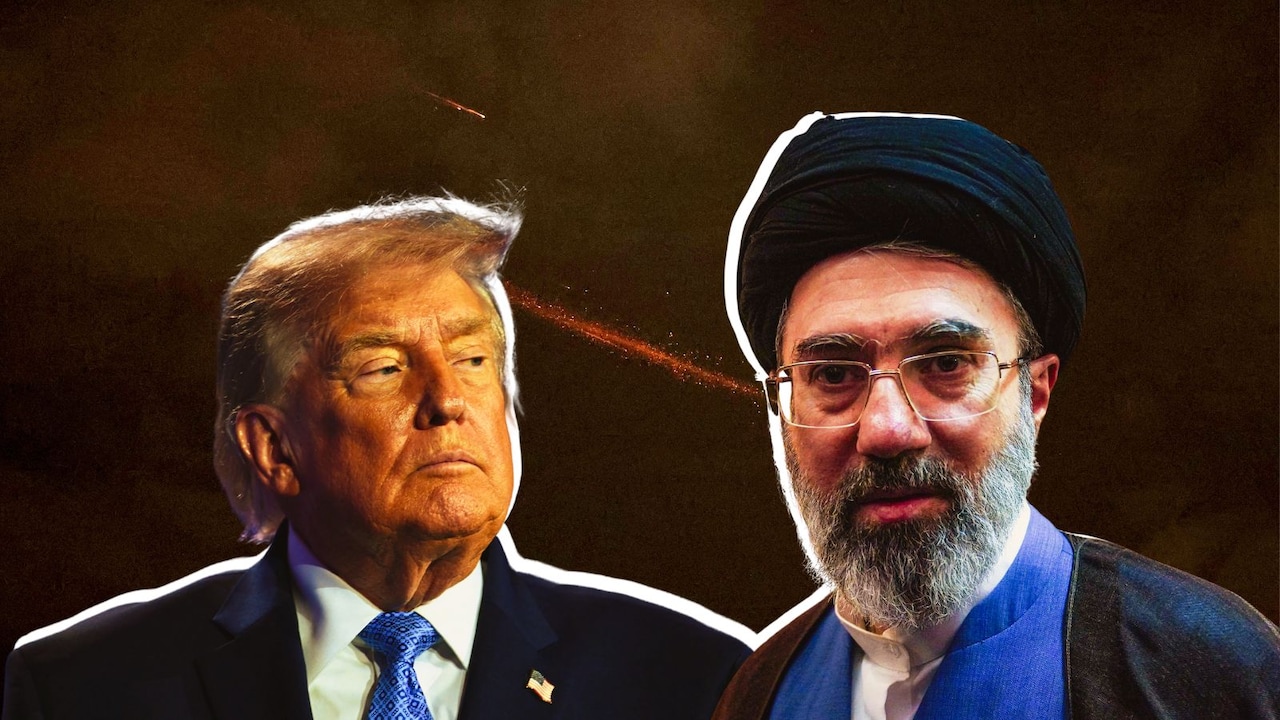
Araghchi’s remarks came after US President Donald Trump acknowledged the diplomatic contact during his address to the General Assembly. Trump said Iran could reach an agreement to end the conflict or face “annihilation,” prompting members of the Iranian delegation to walk out.
Iranian President Masoud Pezeshkian responded to Trump’s threat in his own General Assembly address. He argued that Iran needed sufficient strength to protect itself from external threats.
“Iran must be powerful so as to avoid being threatened, to avoid its future being threatened,” Pezeshkian said. “We are ready for dialogue and diplomacy and negotiations without accepting the language of force.”
Pezeshkian maintained that Iran would not seek nuclear arms. He said the country retained the right to develop “peaceful nuclear technologies”. He also used his UN appearance to reject what he described as attempts to force Iran into negotiations through military pressure.
“A world without power is dangerous,” he said. “But a world that only understands the language of war and bullying will not be safe.”


