


Imtiaz Ali’s tale of love and longing – Main Vaapas Aaunga, headlined by Vedang Raina, Sharvari Wagh and Naseeruddin Shah – is steeped in the sorrows of the 1947 Partition. One of the most grotesque upheavals in human history, it unleashed unimaginable communal violence; what remained hidden in the shadows was the trauma of displaced families, their sufferings and the horrors of separation.
Even more painstaking for survivors was the indescribable pain of losing loved ones, being torn from their homelands and carrying those visions entrenched in their memories for the rest of their lives.
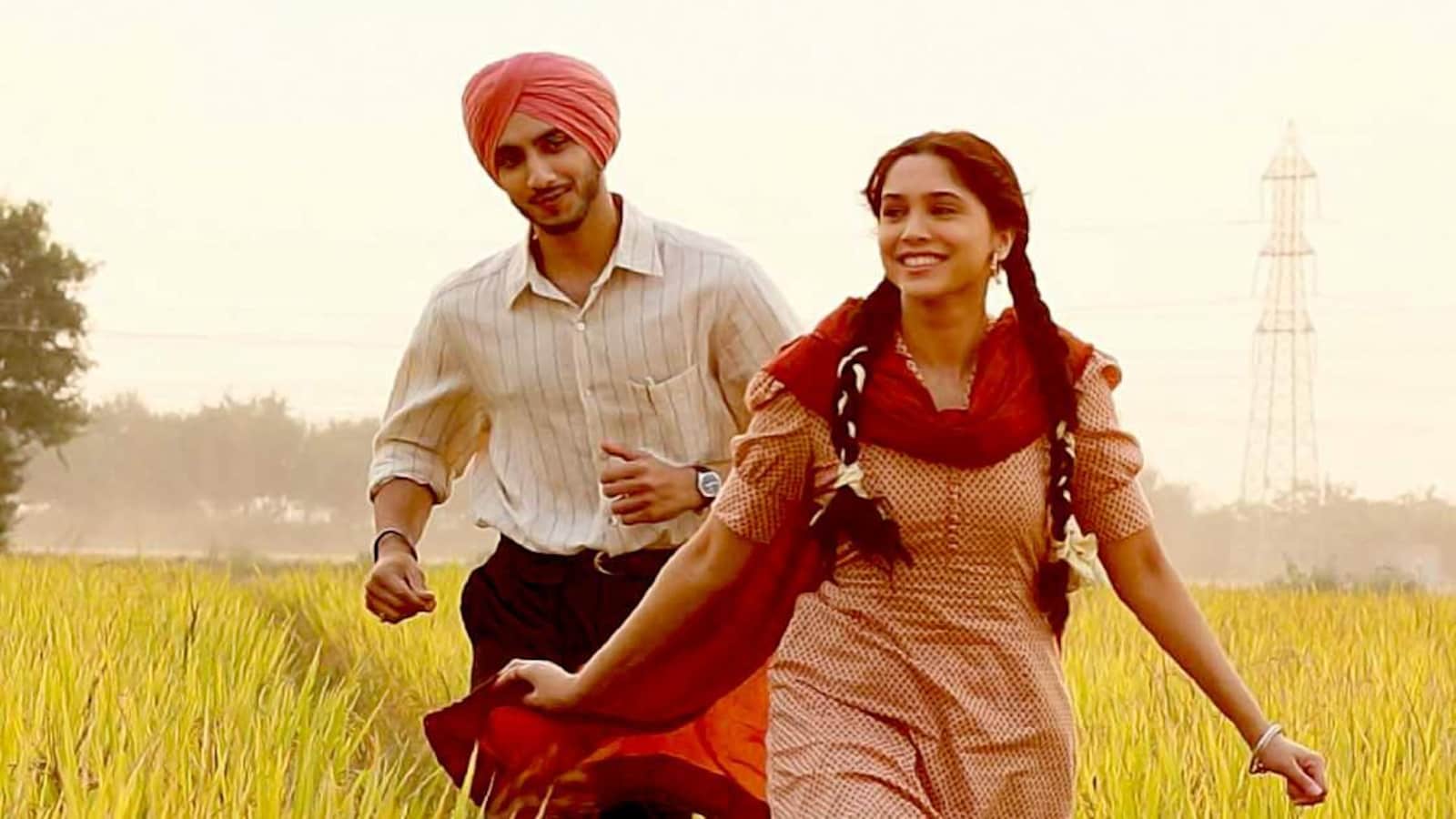
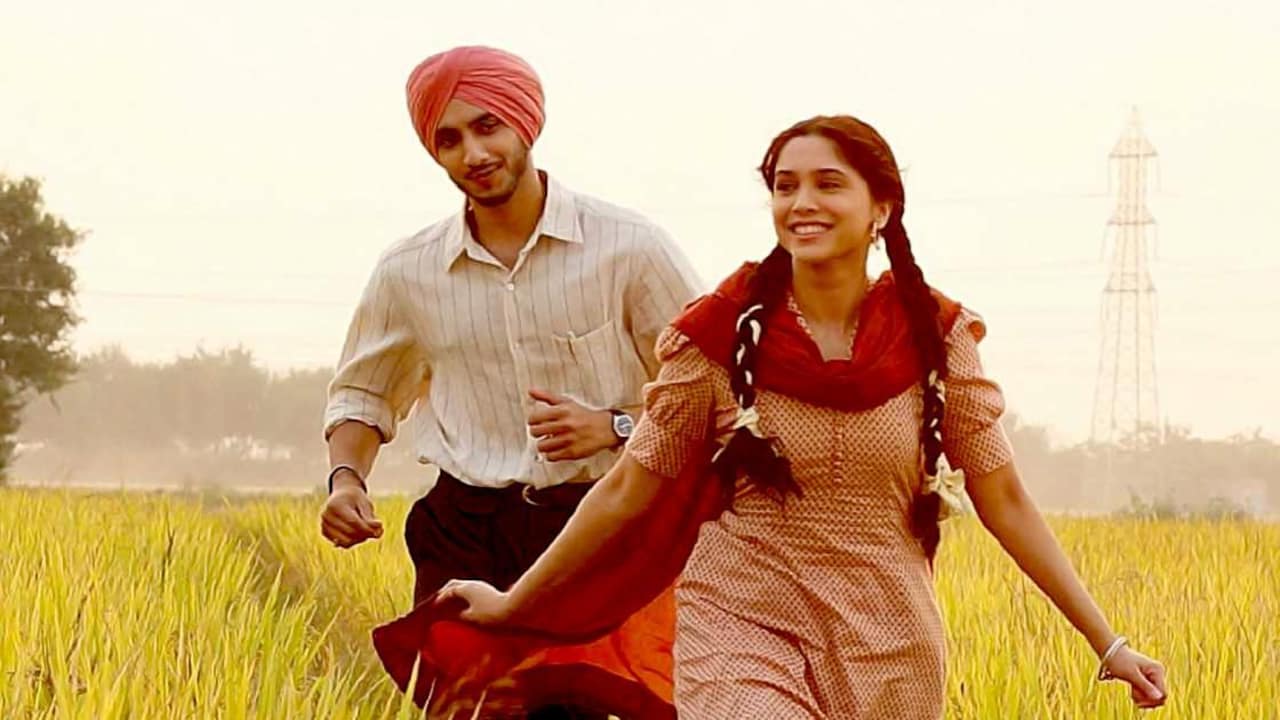
Imtiaz Ali frames the tragedy of Partition through the heartbreaking, unfinished love story of Jiya (Sharvari) and Keenu (Vedang Raina). Naseeruddin Shah plays the older version of Keenu aka Ishar Singh Grewal. The narrative alternates between timelines as the now-bedridden Ishar carries a burden of guilt and pain – estranged from the woman he loved, haunted by the sad fate of the women of his family who were left behind in Sargodha and never made it across the border. The film paints a grim picture of the unjust fate of Sikh women and of families uprooted from their ancestral homes and thrown into the throes of mass destruction.
This was real. It happened. And with Imtiaz Ali’s film slowly gaining momentum, more families have begun sharing their stories – the tales passed down from great-grandfathers and uncles who lived through grief and the scarring details of what unfolded during that time.
Tales From Afar, Thanks To Main Vaapas Aaunga
Some viewers say they cannot bring themselves to watch the film. One user named Tanvi Mahajan wrote, “The tragedy that shaped my ancestors’ lives forever.” Belonging from the Partition family, the film reopened a box of unwanted memories
Many have shared stories from Sargodha, the city that comes alive in Imtiaz Ali’s Main Vaapas Aaunga.
Sargodha was in the Shahpur District of the Rawalpindi Division within undivided Punjab in British India. After Partition, the city became part of Pakistan’s Punjab province.
One internet user shared her grandmother’s story. Posting vintage pictures, Nayanika Mahtani wrote, “The young girl standing at the back is my lovely nani, in her ancestral home in Sargodha. Not long after this photo was taken, her marriage was arranged and she moved to New Delhi, where my grandfather was posted. A few years later, Partition changed everything.”
Another viewer was reminded of her own father as she watched Naseeruddin Shah’s character grapple with Partition’s torment. She shared a picture of her father bearing an uncanny resemblance to Shah’s look in the film.
Amita Dang wrote, “Yesterday, I watched a film on Partition, but I felt like I was watching my father. An eight-year-old boy who left Sargodha, became a refugee in Shahbad Markanda, and spent a lifetime proudly talking about the mango bageecha they owned and the haveli that was once home. Those stories were never just memories; they were pieces of an identity that displacement could never erase.”
“Then came Naseer Ji’s character, so remarkably like my late father that every frame felt deeply personal. For a moment, cinema dissolved into memory,” she added.
For some, letters and calls reached them from survivors still longing to find ancestral homes snatched during the Partition.
“One month ago, the descendants of the Saigal family contacted me from India and asked if I could help them find their ancestral haveli in Multan,” wrote Digital creator Hussain Kamran.
He added, “Before Partition, the Saigal family was among Multan’s prominent traders, with businesses in yarn and dry fruits. Their haveli was located in what was once known as Saigal Wala Mohalla in Kala Mandi.”
He shared a photograph of the Saigal family posing in front of the house before Partition, and it truly tugs at the heartstrings.
Another personal blogger reiterated why the 1947 massacre did not end that year: the trauma was passed down as a legacy no one asked for.
Vanika Sangtani wrote, “It reminded me to ask questions about what was lost, what was packed overnight and what I inherited.”
And Thus, Main Vaapas Aaunga Became A Personal Journery
78 years later, as Ishar (Naseeruddin Shah) fights dementia, distraught over losing the love of his life – Jiya (Sharvari), whom he always promised he would return to – he is constantly reminded of his failure to keep that promise. He did return, only to be separated again.
The flashbacks blur the line between real and reel; they depict the cruelty that was unleashed on the land, with millions slaughtered in sectarian riots and communal violence. Thousands of women were abducted, raped, mutilated or killed; some even took the tragic step of killing their own daughters to prevent them falling into the hands of perpetrators. Millions took refuge in camps, dying of starvation while the horrors continued.
All of this was the devastating reality that shook the world, the tremors of which still reverberate in many places today. As people come forward to share their ancestors’ stories, the heinous truth of Partition becomes even more harrowing and, at its core, heartbreaking.
That is precisely what Main Vaapas Aaunga portrays. It succeeds in making the current generation more aware of the history their forebears endured – a history many did not survive – and in that way the film fulfils the purpose of a good work of cinema: to pass on a message that might otherwise have been lost.
ALSO READ | Sharvari Gets Emotional As Main Vaapas Aaunga Scripts Strong Box Office Turnaround: ‘Tears In My Eyes’



