


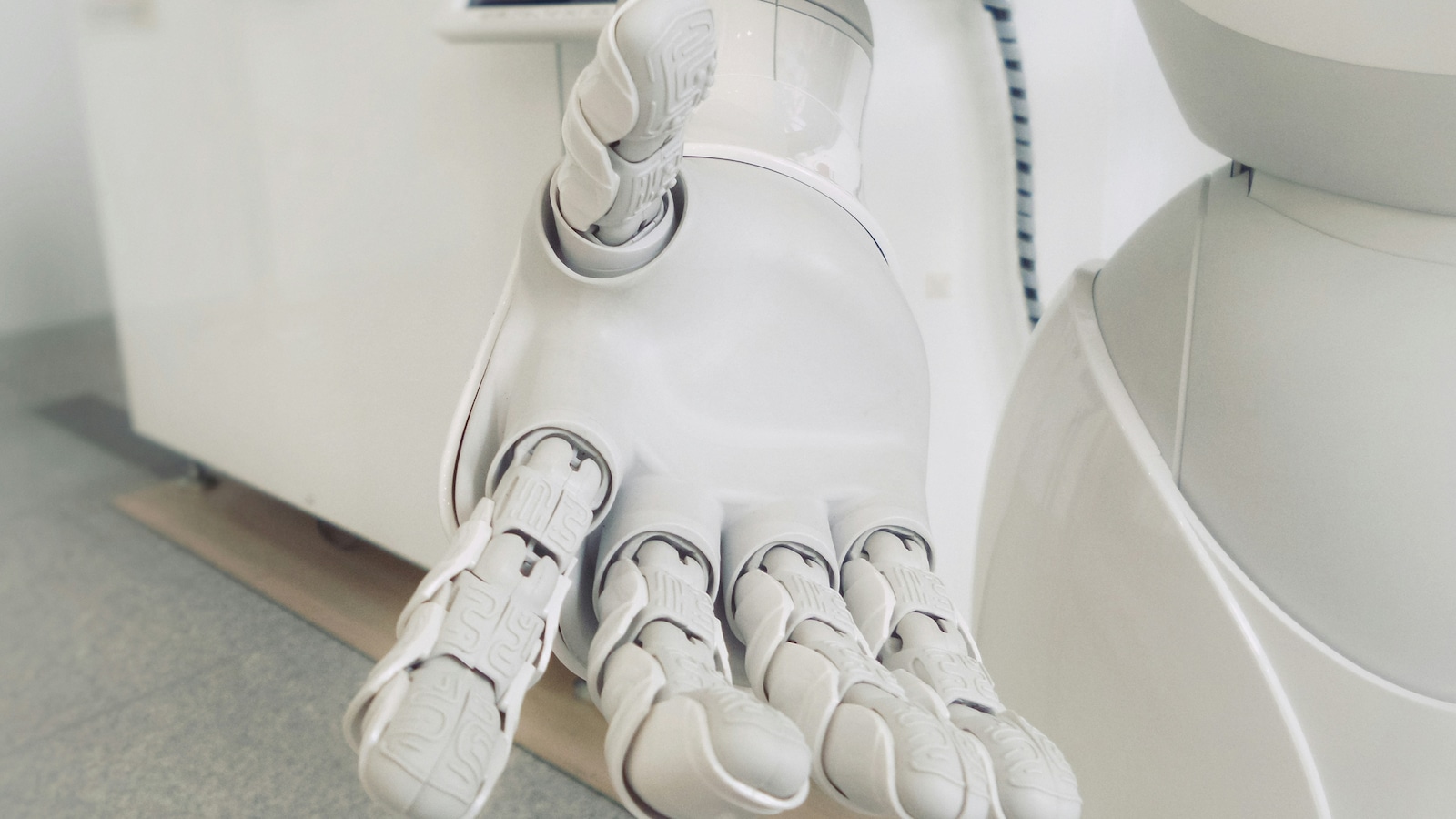
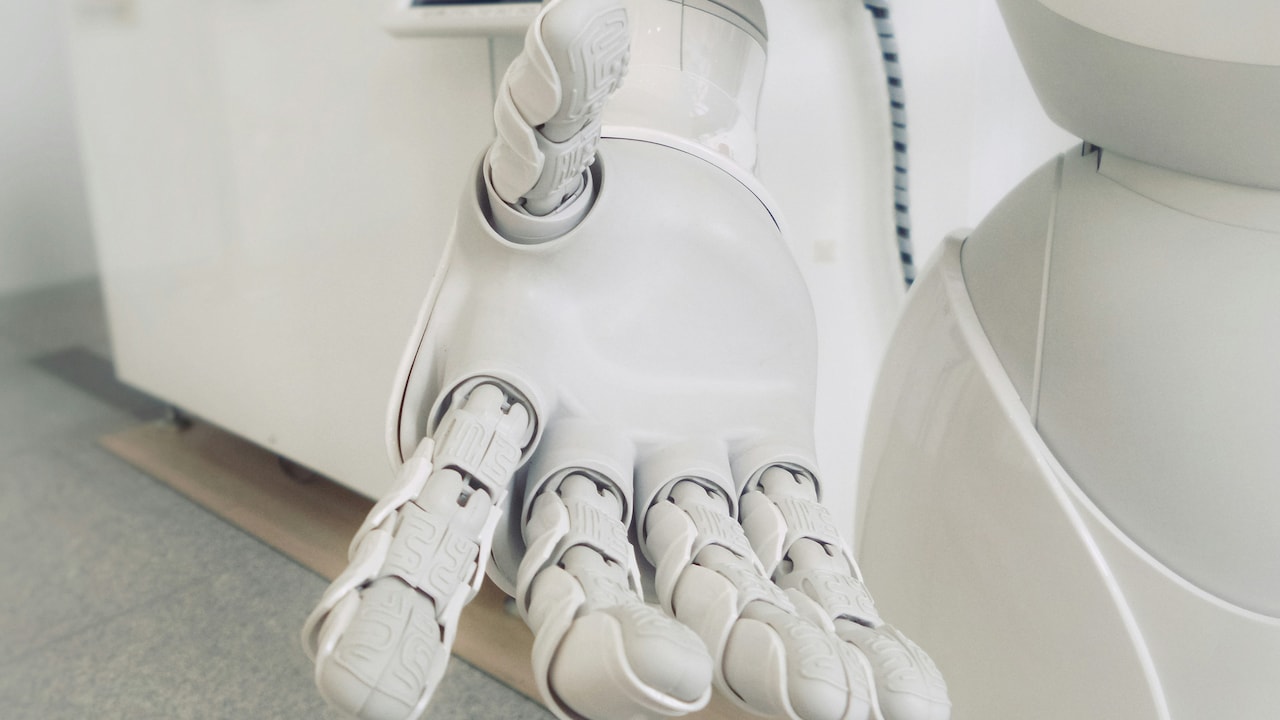
The Trump administration is broadening its efforts to shield the US artificial intelligence sector from foreign competition, turning its attention to humanoid robotics as policymakers increasingly regard the technology as a strategic extension of the nation’s AI ambitions, MIT Technology Review reported.
The shift follows a sweeping decision by the US Federal Communications Commission (FCC) to restrict imports of advanced foreign-made robots, including humanoids, quadrupeds and wheeled robots.
ALSO READ: JPMorgan’s Dimon Rallies 40+ Firms Against AI Risks After Likening Mythos To ‘Ballistic Missiles’
The regulator cited national security concerns over the vast amount of data such robots could collect in homes, workplaces and sensitive facilities, while also arguing that shielding domestic manufacturers from Chinese competition would help build a stronger US robotics supply chain. The move marks a significant expansion of Washington’s AI strategy.
Rather than focusing solely on semiconductors and frontier AI models, the administration is increasingly treating robotics as the next frontier of artificial intelligence. The report noted that the White House is also weighing restrictions on open-source Chinese AI models that compete with offerings from US companies such as OpenAI and Anthropic at a fraction of the cost.
ALSO READ: SpaceX Says It Can Reach $1 Trillion In Revenue By 2030. Here’s What’s Driving It
While some American robotics firms have welcomed the FCC’s decision, industry experts warn that the restrictions could have unintended consequences.
According to MIT Technology Review, many US robotics startups and university research labs rely heavily on affordable Chinese robots for developing and testing AI-powered systems.
Chinese manufacturers, particularly Unitree Robotics, have become the preferred choice for researchers because of their significantly lower prices and competitive capabilities.
The cost differential is substantial. A four-legged robot from Unitree is priced at roughly $4,600, while a comparable model from a US manufacturer such as Boston Dynamics can cost nearly $278,000.
Industry representatives cited by the publication argue that limiting access to lower-cost robots could slow research and innovation instead of strengthening the domestic robotics ecosystem.
The report also highlights the contrasting maturity of the two industries.
China’s Unitree is preparing for a public listing at an estimated valuation of nearly $6 billion, while US humanoid robotics companies are yet to achieve commercial scale.
Even so, momentum is building in the sector, with Google recently unveiling an AI model designed to help humanoid robots learn new physical tasks more efficiently.
According to MIT Technology Review, the FCC’s decision reflects a broader policy shift in Washington, where humanoid robotics is increasingly being viewed as a strategic AI capability deserving of the same protection afforded to other critical technologies.
Essential Business Intelligence,
Sharp Market Insights,
Practical Personal Finance Advice, Daily Fuel, Gold and Silver Prices and Latest Stories — On NDTV Profit.



