


Jaipur:
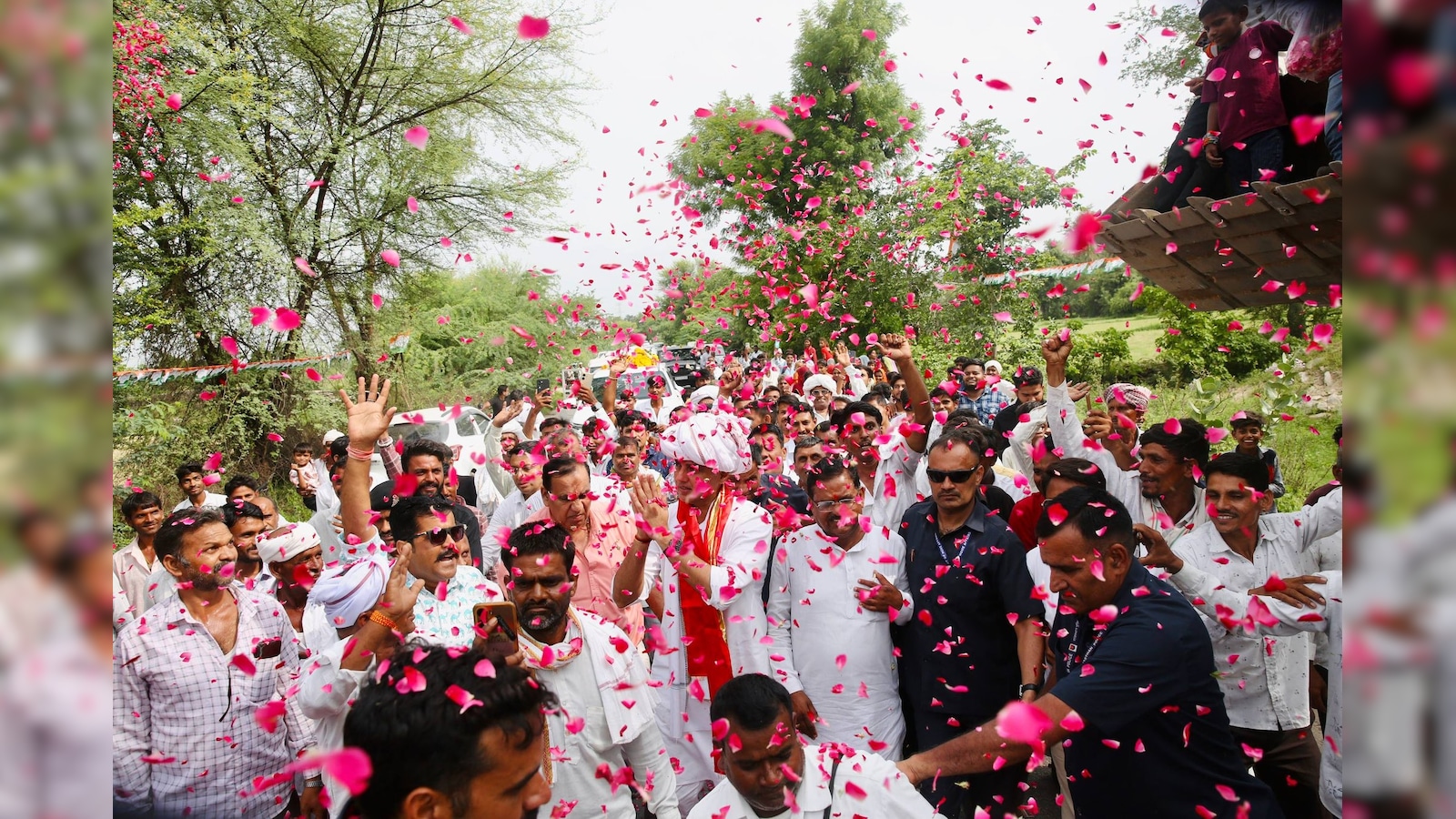
Sachin Pilot has kicked off Congress’ mission 2028 in Rajasthan. And he has chosen the key southern region of Mewar-Vagad to begin his Tribal outreach.
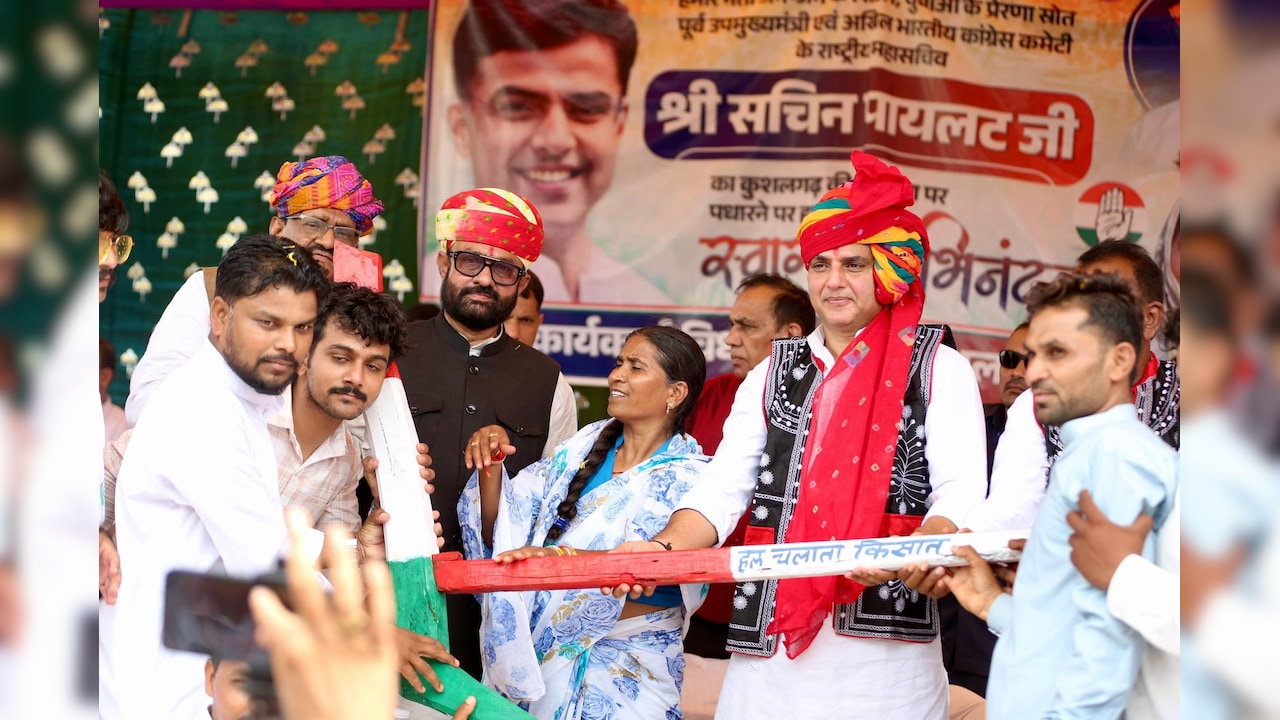
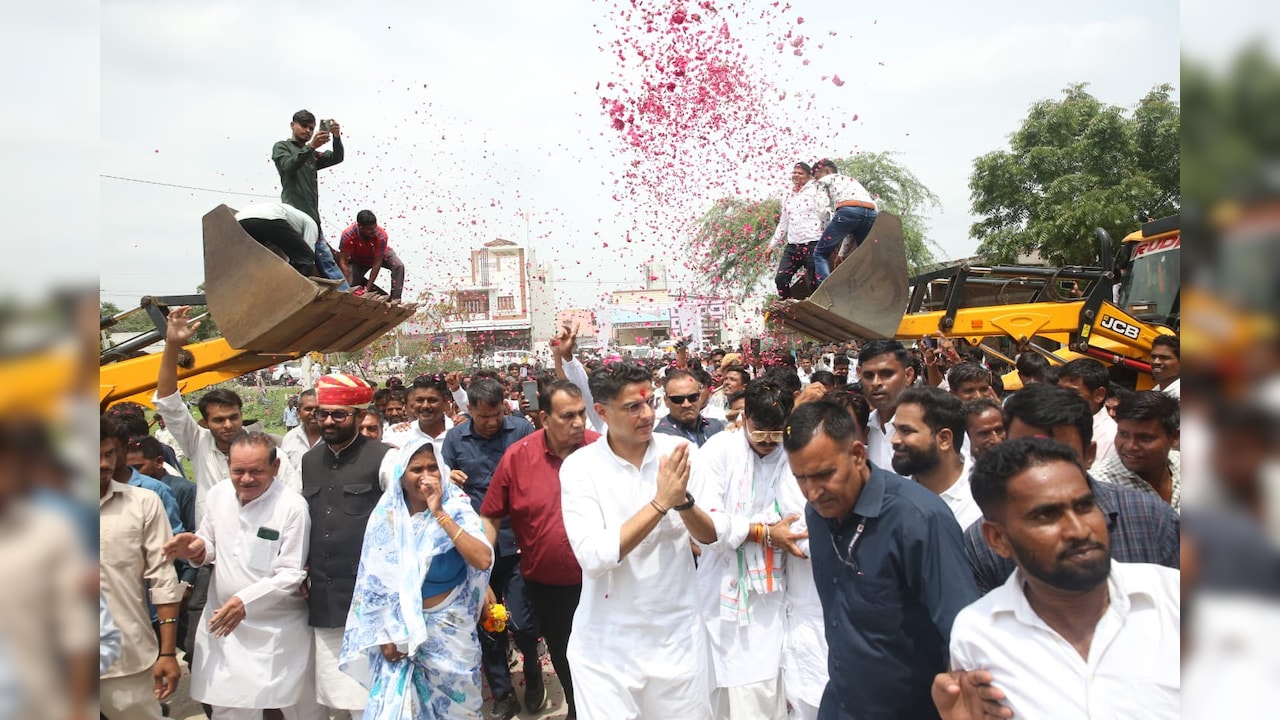
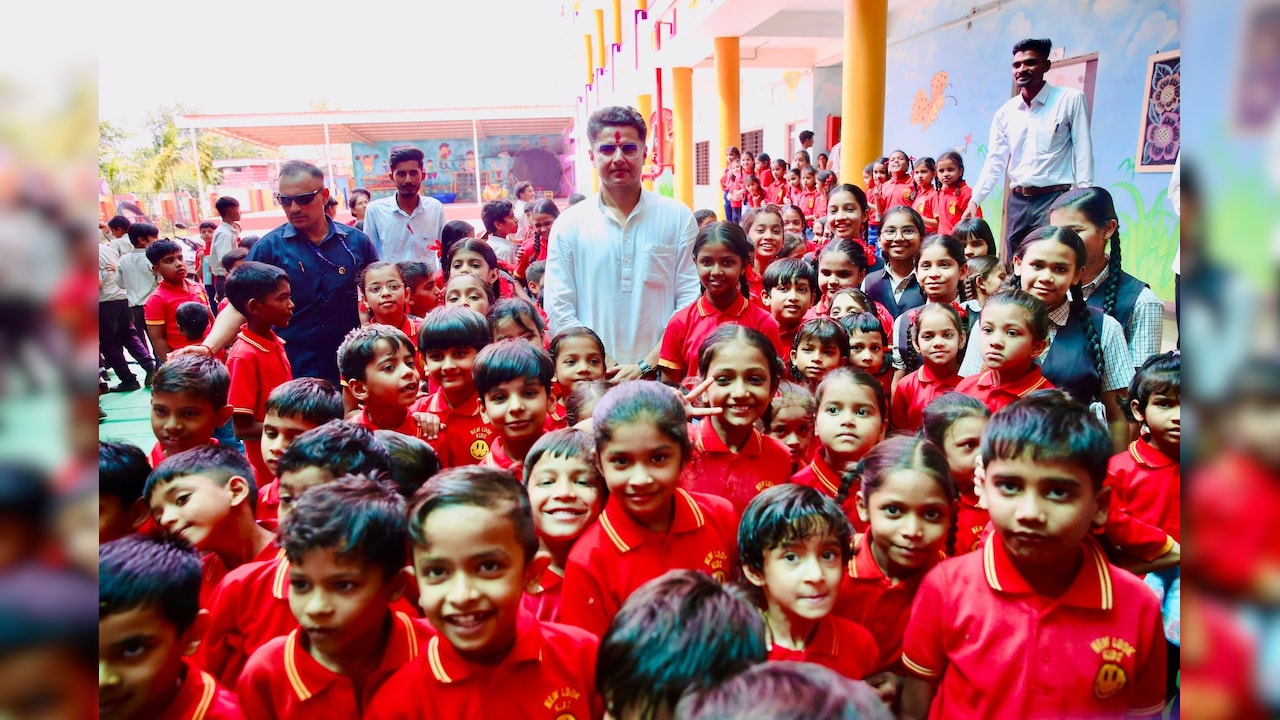
During his two-day tour, Pilot covered four districts — Banswara, Dungarpur, Salumber and Udaipur. He met party workers, interacted with tribal communities, participated in local cultural events, and launched sharp attacks on the BJP government.
So why is this region important in Congress’ revival strategy in the state?
In Rajasthan politics, the southern Mewar-Vagad region is seen not just as a geographical identity but as the key to power.
Comprising Udaipur, Salumbar, Rajsamand, Chittorgarh, Banswara, Dungarpur and Pratapgarh districts, the region has 28 Assembly seats.
Of these, 17 seats are reserved, including 16 for Scheduled Tribes (ST) and one for Scheduled Castes (SC).
It is considered Rajasthan’s largest tribal political belt.
A party needs 101 seats to form the government in the 200-member Rajasthan Assembly. This 28-seat region plays a decisive role in electoral arithmetic.
Election results of the last two decades confirm this. In 2003, the BJP gained an edge in Mewar-Vagad and came to power. In 2008, the Congress performed better here and formed the government. In 2013, the BJP again registered a strong win in the region and Vasundhara Raje became Chief Minister.
In the 2023 elections too, the BJP won 17 of the 28 seats in the region, while the Congress got 7 and the Bharat Adivasi Party (BAP) won 3 seats.
This once again strengthened the perception that the trend in southern Rajasthan plays a key role in deciding the direction of power.
Tribal voters are the biggest political strength of this region. Of the total 25 ST-reserved Assembly seats in Rajasthan, 16 fall in Mewar-Vagad.
Tribals are in majority in Banswara, Dungarpur and Pratapgarh, while they are also a decisive vote in several Assembly constituencies of Udaipur and Salumbar.
Not surprising, therefore, that the region has always been a priority in the strategies of both the BJP and the Congress.
However, the emergence of the Bharat Adivasi Party (BAP) in recent years has made the contest triangular in this region.
In the 2023 elections, BAP built a strong base in tribal areas and impacted the Congress’ traditional tribal vote bank, while the BJP too had to rework its electoral strategy.
Mewar-Vagad politics is not limited to tribal votes alone.
In urban areas like Rajsamand, Nathdwara, Chittorgarh and Udaipur, Rajputs, Brahmins, Jains, Vaishyas, Gurjars, Jats, Dangis and other OBC communities also influence election results.
Therefore, support from just one community is not considered enough to win here.
Political parties have to strike a social balance.
Sachin Pilot’s tour is also being seen as part of this larger political strategy. He met party workers in Banswara, Dungarpur, Salumbar and Udaipur, took part in programs of the tribal community and cornered the BJP government on local issues.
Within the Congress, this is being seen as an attempt to activate the organization in the tribal belt and to politically counter the challenge posed by BAP.
The 2028 Assembly elections are still sometime away, but the political message is clear. The BJP wants to retain its lead, the Congress is trying to regain lost ground, and BAP wants to further strengthen its role in tribal politics.
In such a scenario, Mewar-Vagad has once again become the center of Rajasthan’s electoral politics.
That is why Pilot’s tour is being seen not just as an organizational program, but the opening move in the battle for 2028.



