




New Delhi:
India’s private space revolution is preparing for a remarkable new milestone. When Skyroot Aerospace’s Vikram-1 rocket lifts off from the Satish Dhawan Space Centre at Sriharikota in the coming weeks, it will not only attempt India’s first privately developed orbital launch but will also carry something never flown into space on an Indian rocket before: diamonds and gold.
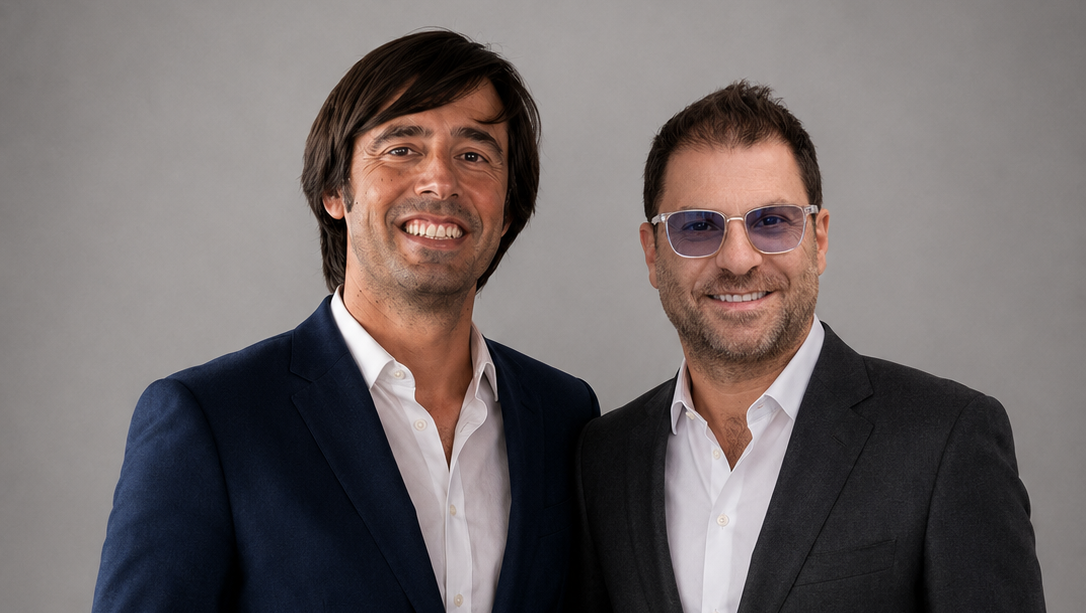
The mission marks another first for Skyroot Aerospace, India’s youngest space technology unicorn, which is estimated to be valued at over $1.1 billion. Founded by former ISRO scientists Pawan Kumar Chandana and Naga Bharath Daka, the Hyderabad-based company has emerged as the flag bearer of India’s rapidly expanding private space sector. Now, as its maiden orbital launch vehicle stands fully assembled and ready for flight awaiting final checks, Skyroot is preparing to make history once again.
Named after Dr Vikram Sarabhai, the father of India’s space programme, Vikram-1 is India’s smallest orbital rocket and the country’s first privately developed launch vehicle designed to place satellites into orbit. The rocket’s maiden mission, called “Aagaman”, meaning “arrival” in Sanskrit, is expected to take place during a launch window that opens on July 12 and extends through August 4, subject to final technical checks, weather conditions and regulatory approvals.
Standing nearly seven storeys tall inside the Rocket Assembly Building at Sriharikota, Vikram-1 represents years of engineering effort and technological innovation. Built largely using advanced carbon composite structures and incorporating Skyroot’s much talked about 3D-printed rocket engines, the vehicle has been designed to place payloads of up to 350 kilograms into Low Earth Orbit.
But while Vikram-1 is fundamentally a technology demonstration mission, some of its payloads are attracting attention far beyond the space industry. It is not clear if all of the payloads are being charged commercial charges for the ticket to space, but some are paying for the ride.
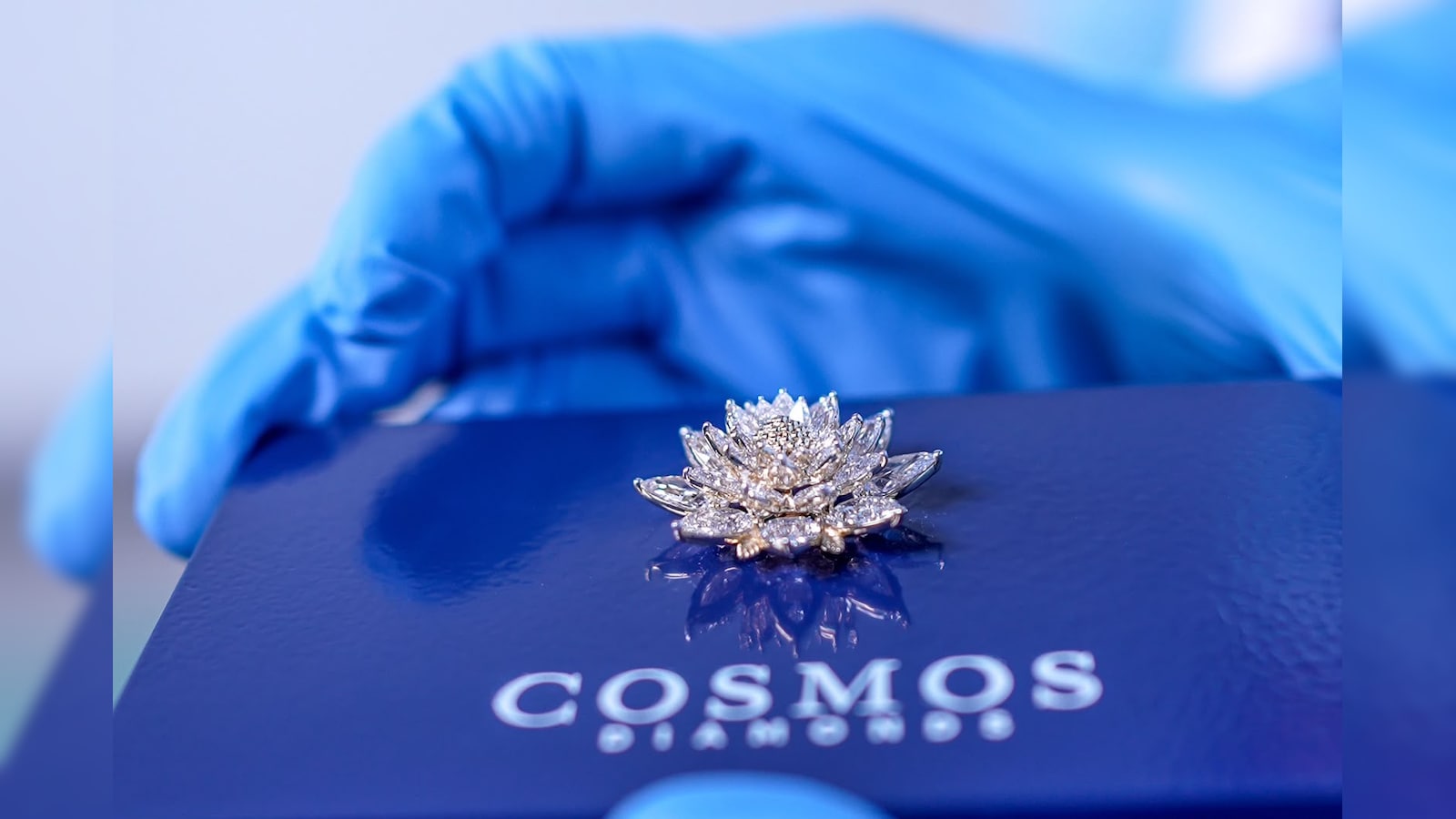
For the first time, diamonds will be launched into space aboard an Indian rocket. A special payload called Cosmic Bloom, developed by Cosmos Diamonds, will fly on Vikram-1. The payload consists of an artistic diamond jewellery creation mounted on an aluminium base plate. The object combines craftsmanship with spaceflight, showcasing how art, luxury and technology can meet in orbit.
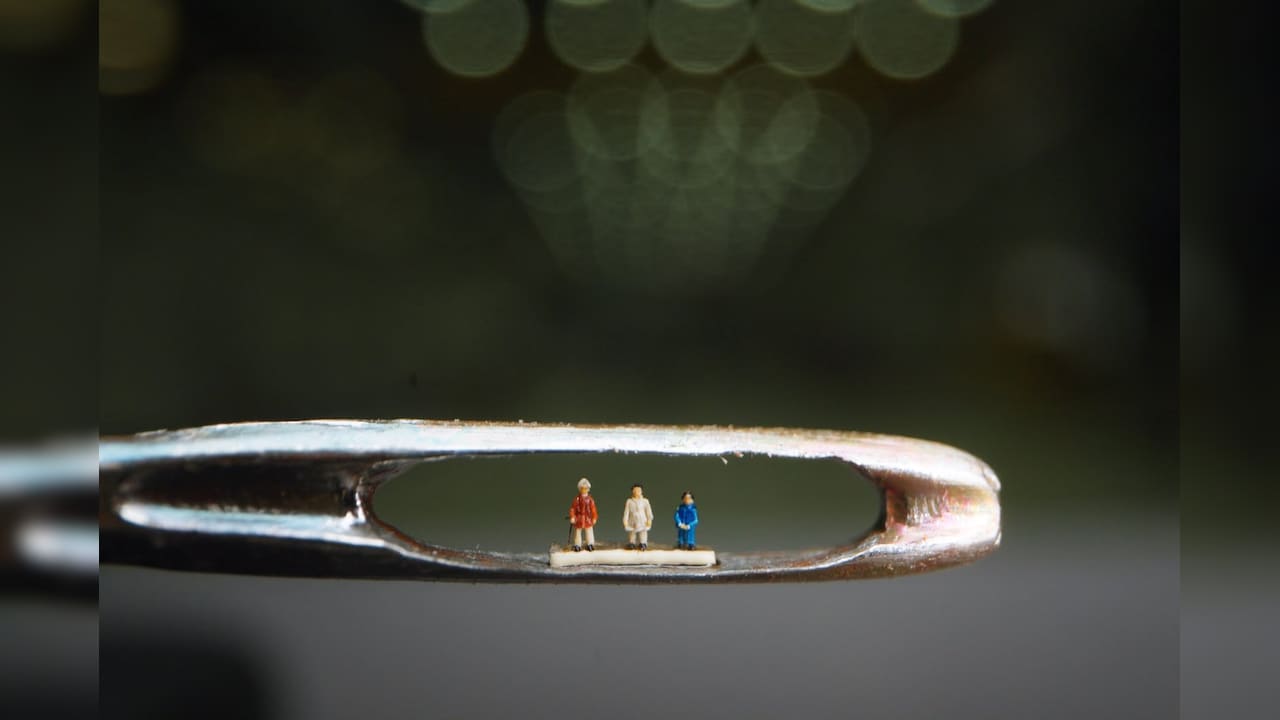
The mission will also carry gold into space. Artist Ajay Kumar Mattewada has created a unique artwork known as Microart that will fly aboard the rocket. The miniature sculpture features an 18-carat gold rocket carrying tiny statues of three of India’s greatest scientific visionaries: Nobel Prize-winning physicist Sir C.V. Raman, Indian space programme founder Dr Vikram Sarabhai and former President and aerospace scientist Dr A.P.J. Abdul Kalam.
The remarkable aspect of the artwork is its size. Each of the miniature sculptures is smaller than a grain of rice. Together they represent a tribute to three generations of scientific leadership that helped shape modern India.
The launch of diamonds and gold into space may be a first for an Indian rocket, but it is not the first time artistic creations have travelled aboard Indian space missions.
SpaceKidz India a Chennai based start-up had earlier flown artwork created by school children on two of its satellites. Those missions demonstrated how space can be used not only for science and technology but also for education, inspiration and creativity. The artistic payloads on Vikram-1 continue that tradition while adding a unique new dimension through precious materials and tributes to India’s scientific pioneers.
Alongside the artistic payloads, Vikram-1 will also carry several important technology demonstration missions.
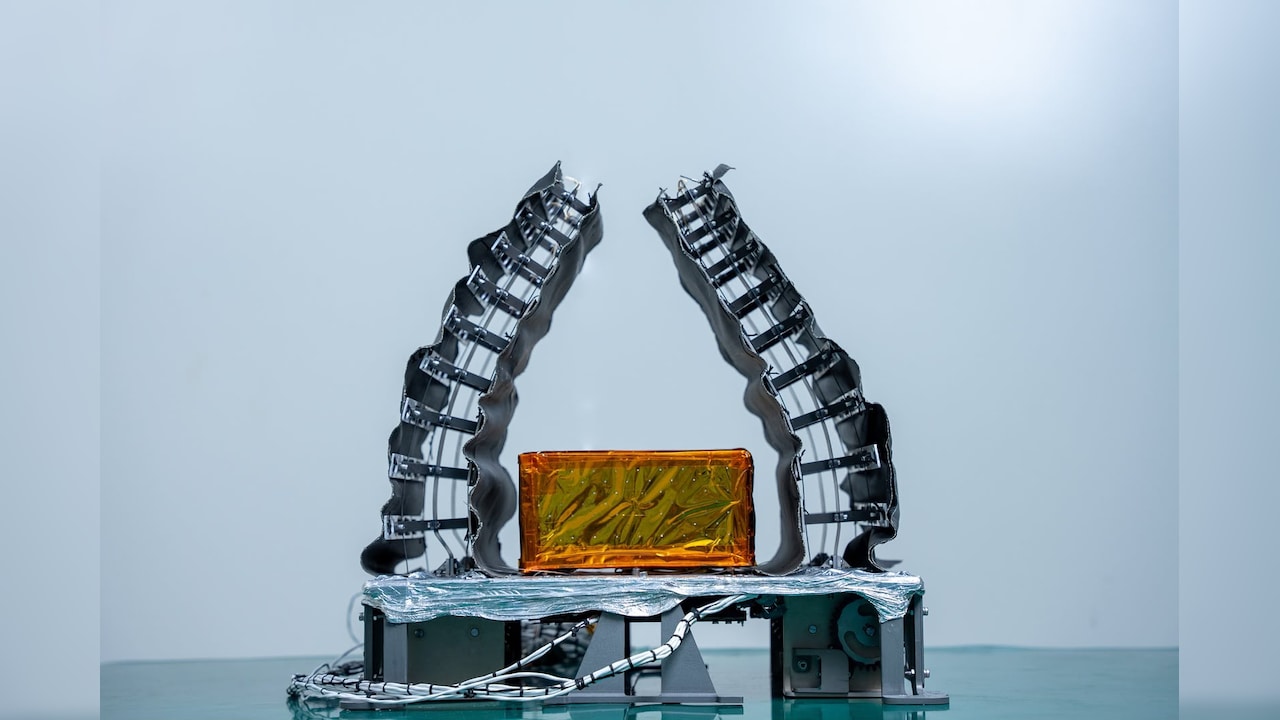
One of the most significant is a payload developed by Cosmoserve Space. Named Embrace, the mission will demonstrate a robotic arm system designed to support future space debris removal operations. During the mission, the robotic arm will remain attached to Vikram-1’s payload deck while carrying out a planned demonstration in space.
Space debris is becoming one of the biggest challenges facing modern satellite operations. Thousands of inactive objects orbit Earth, posing collision risks to satellites and future missions. Technologies capable of capturing or servicing objects in orbit are increasingly viewed as essential for maintaining a sustainable space environment.
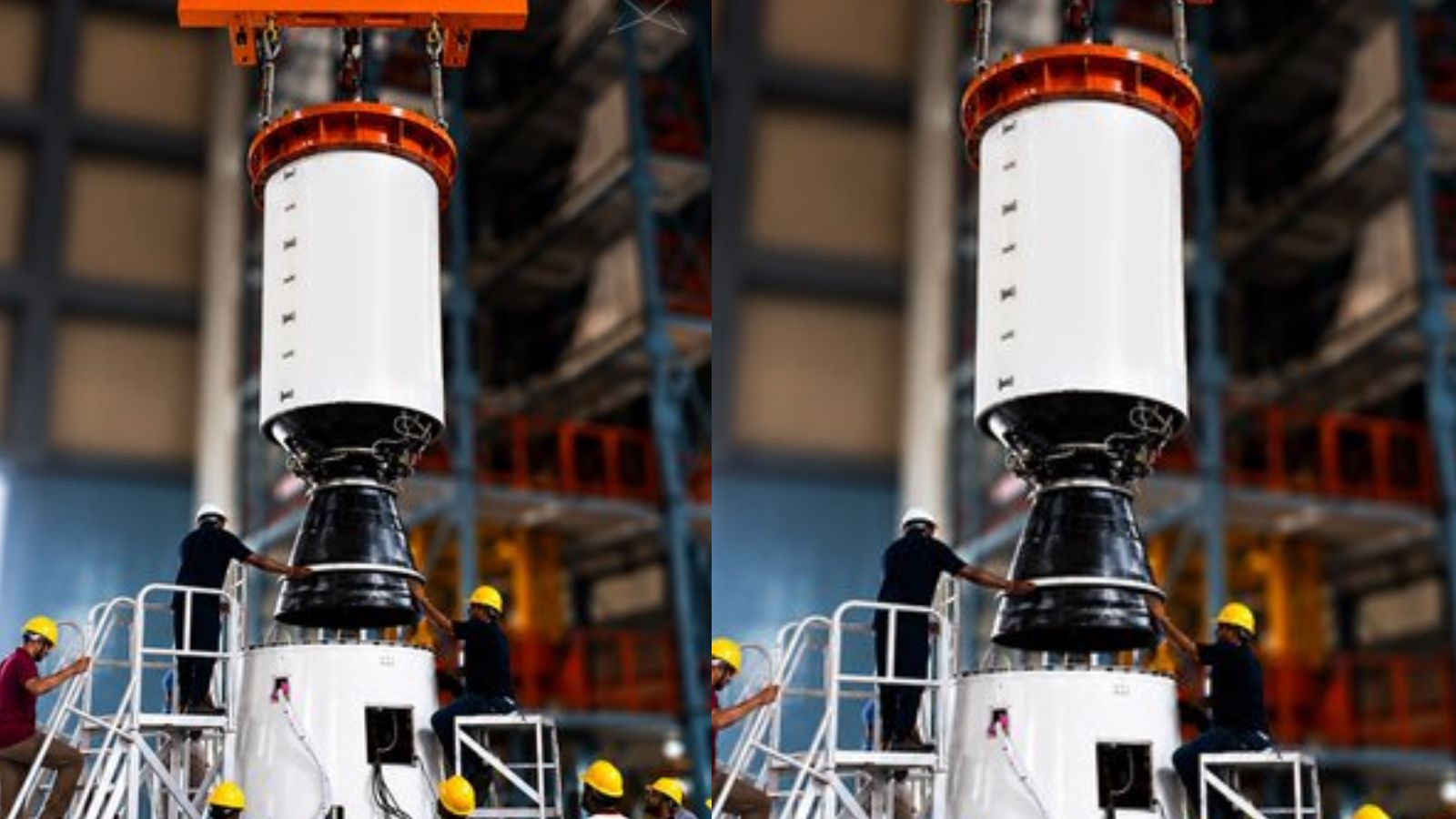
Vikram-1 will also carry payloads from Grahaa Space and Germany’s DCubed
Cosmoserve founder and Chief Executive Officer Dr Chiranjeevi Phanindra says the mission helped accelerate development of the company’s soft robotic capture technology. According to him, the technology moved from concept to flight-ready hardware within just four months through collaboration with Skyroot.
Vikram-1 will also carry payloads from Grahaa Space and Germany’s DCubed, reflecting the growing international interest in India’s emerging private launch sector.
In addition, Skyroot will fly its own SCOPE payload. The company’s self-developed technology demonstrator is expected to generate valuable performance and engineering data that will support future missions and help improve subsequent versions of the rocket.
For Skyroot, however, the most important payload on board may not be any single experiment. It is the vast amount of flight data the mission is expected to generate.
Company engineers will closely monitor every stage of the launch, from lift off through stage separations and orbital insertion. The data collected will help validate rocket systems, propulsion performance, guidance, navigation and control systems under real flight conditions.
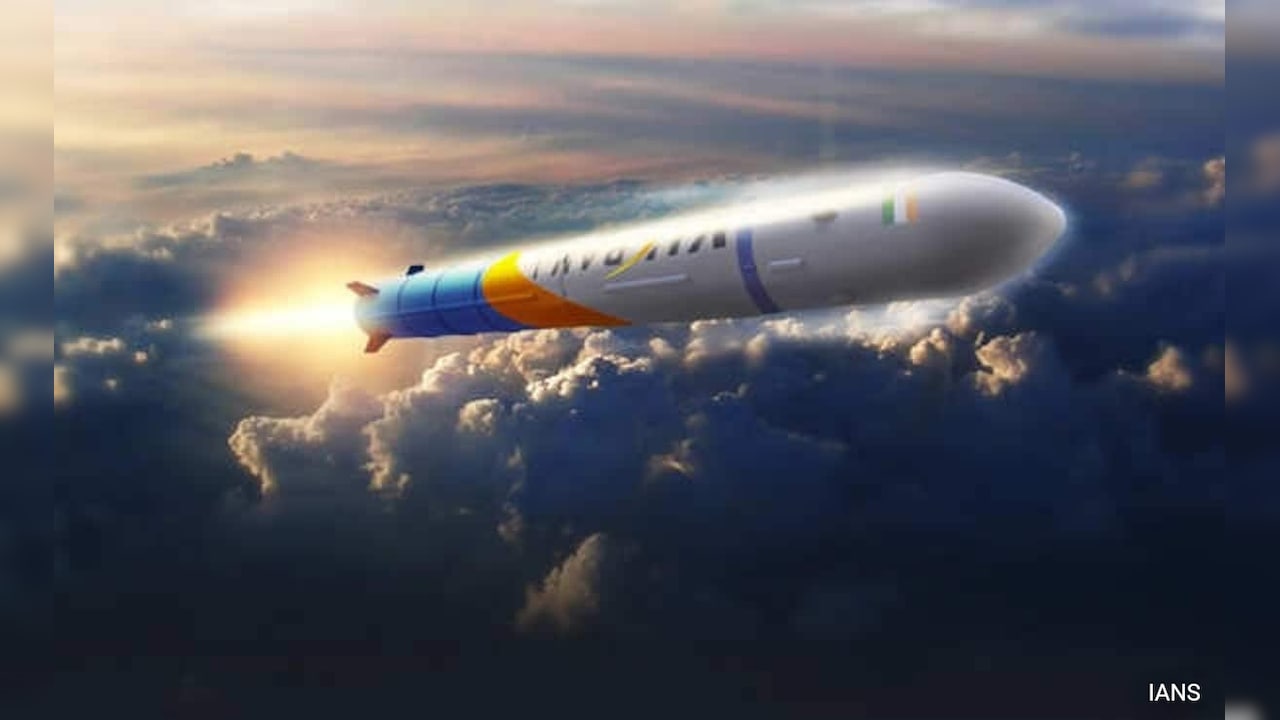
Just a few years ago, orbital launches from India were the exclusive domain of ISRO.
The significance of Mission Aagaman extends far beyond Skyroot. If successful, Vikram-1 will become the first privately built Indian orbital rocket to place payloads into orbit, marking a major milestone for the country’s commercial space industry.
Just a few years ago, orbital launches from India were the exclusive domain of ISRO. Today, private companies are designing launch vehicles, building satellites and creating new space technologies.
Vikram-1 represents the clearest sign yet that India’s private sector is ready to become an important player in the global space economy.
As the rocket stands poised at Sriharikota awaiting its historic launch, it carries with it much more than technology payloads.
It carries the ambitions of a billion-dollar space company, the dreams of a new generation of entrepreneurs, a tribute to India’s scientific icons and, for the first time, artistic diamonds and gold into space aboard an Indian rocket. If Mission Aagaman succeeds, it could mark the arrival of a new chapter in India’s journey beyond Earth.



