


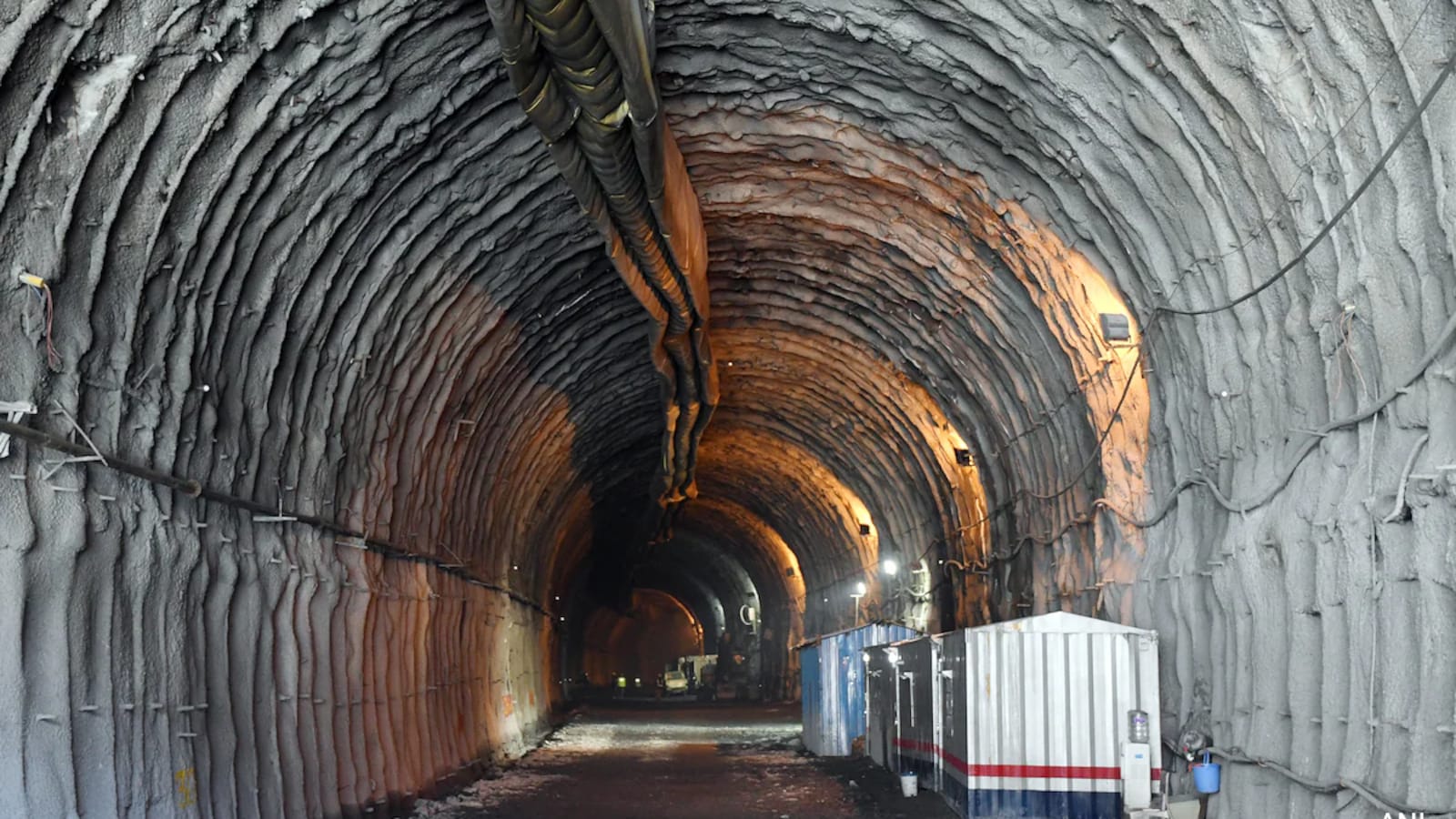
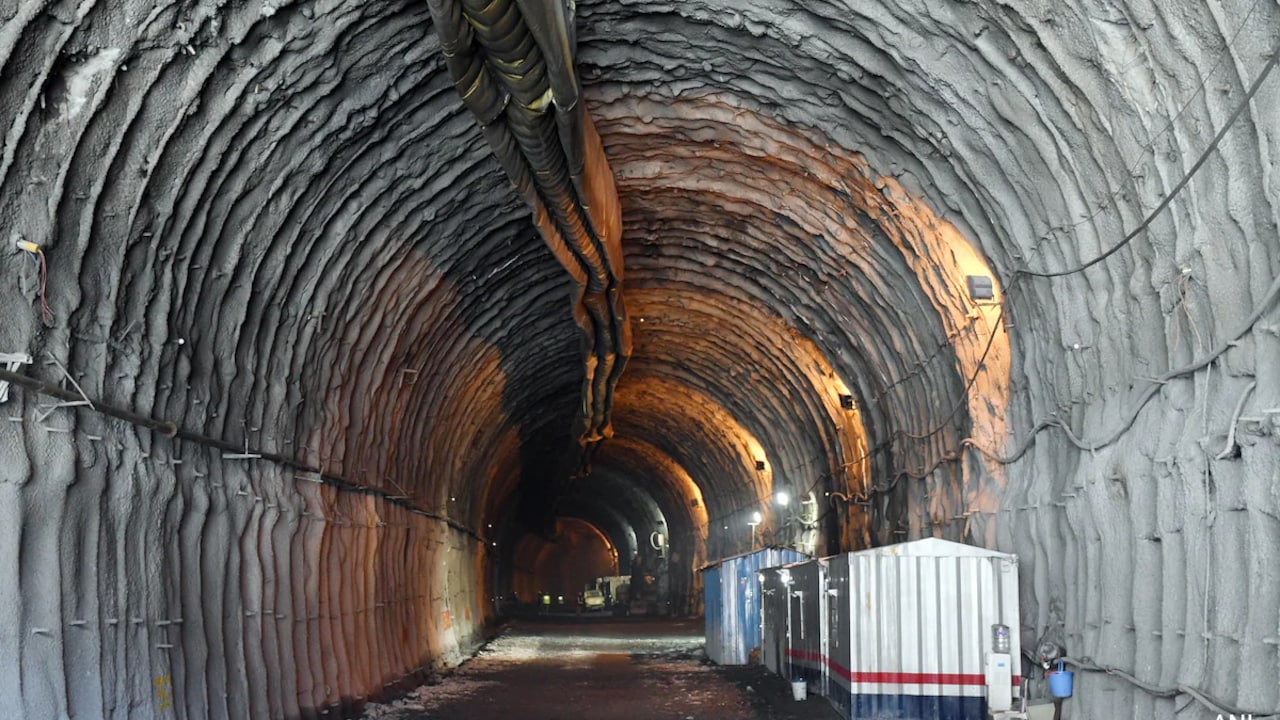
India’s longest and most strategic road tunnel is now complete, with the final blast set to be carried out by Union Minister Nitin Gadkari tomorrow. The Zojila Tunnel will boost Himalayan connectivity, strengthen border infrastructure, and ensure year-round access between Ladakh and the rest of the country.
The tunnel holds immense strategic importance. It will enable faster and safer movement of armed forces and supplies into Ladakh, enhancing the Army’s operational readiness along both the Line of Control (LoC) with Pakistan and the Line of Actual Control (LAC) with China.
Harpal Singh, General Manager of Mega Engineering and Infrastructure Ltd. (MEIL), said the tunnel would be a game-changer for India’s defence needs in Ladakh.
“I’m very happy that this ambitious project is being completed. It is truly a dream come true and a key milestone in our border infrastructure development. It will ensure safe and speedy mobilisation of troops and military hardware into Ladakh,” he said.
Mr Singh added that credit for completing the tunnel under challenging circumstances goes to the local workers and engineers. Over the past five years, hundreds of them have worked on the project amid extreme weather conditions and difficult terrain.
During winters, temperatures drop below minus 25 degrees Celsius, yet that did not deter the workers, who worked round the clock to complete this engineering feat. Mr Singh said that 90% of those who built India’s longest road tunnel are Kashmiris.
“About 90% of the workers on this tunnel are local Kashmiris. It is they who braved all odds and extreme weather conditions to complete the work,” he said.
The Zojila Pass often remained closed during winters and due to adverse weather, causing serious logistical challenges. Following the standoff with China and the Galwan clashes in eastern Ladakh in May 2020, India faced significant difficulties in mobilising armed forces and heavy weaponry due to poor road conditions.
Officials said that with the breakthrough achieved in the Zojila Tunnel, it can be used in emergencies by defence forces and civilians even before it is formally opened.
Hyderabad-based MEIL is executing the project at a cost of Rs 4,600 crore.
The company said the tunnel stands as a symbol of India’s growing engineering capabilities, built across one of the most challenging Himalayan corridors, which remains cut off for long periods due to heavy snowfall, avalanches, and extreme weather.
“The final breakthrough marks a defining milestone in the excavation phase and reflects the successful completion of the most critical stage of underground work in highly demanding terrain,” MEIL said.
The company added that the Zojila Tunnel is being constructed using the New Austrian Tunneling Method (NATM), which is particularly suited to fragile Himalayan geology and variable rock conditions.
“The tunnel also strengthens operational mobility and logistics preparedness in a strategically important frontier corridor, underscoring its role not just as an infrastructure project but as a key national connectivity and security asset,” it said.
The project carries immense socio-economic and strategic importance. It is expected to transform regional connectivity, improve the movement of people and goods, reduce weather-related isolation, and boost economic activity, tourism, and essential services in the region.



, said the tunnel would be a game-changer for India's defence needs in Ladakh.)