


New Delhi:
As India marks its third National Space Day, celebrating the success of Chandrayaan-3 and the country’s expanding ambitions in orbit and beyond, a new detailed academic study from two of Europe’s most respected institutions has thrown up an uncomfortable question for the Indian space establishment.
Is India’s much-celebrated reputation as the world’s most frugal space launcher actually true? A 2026 University of Cambridge study finds India’s per-kilogram launch costs are four times higher than America’s and, in fact, the costliest in the world.

A peer-reviewed paper published in the respected Elsevier journal Economics Letters by economists Alessio Terzi of the University of Cambridge and Francesco Nicoli of Politecnico di Torino, Turin, Italy’s oldest technical university, suggests the answer may be far more complicated than the popular narrative would suggest. Using what the authors describe as a novel database covering more than 6,740 rocket launches between 1960 and 2025, the researchers conclude that India’s average cost of launching one kilogram of payload to Low Earth Orbit in 2025 was about $13,302 per kilogram, the highest among major spacefaring nations studied. By comparison, the United States recorded the lowest cost at $3,225 per kilogram. This means India’s per kilogram launches cost almost four times higher than America’s.
The finding is striking because it directly contradicts one of the most widely repeated claims associated with India’s space programme. For decades, ISRO has been cited globally as a model of frugal engineering. From launching missions at a fraction of Western costs to popular comparisons between space missions and everyday expenses, the image of India achieving more for less has become deeply embedded in the public imagination.
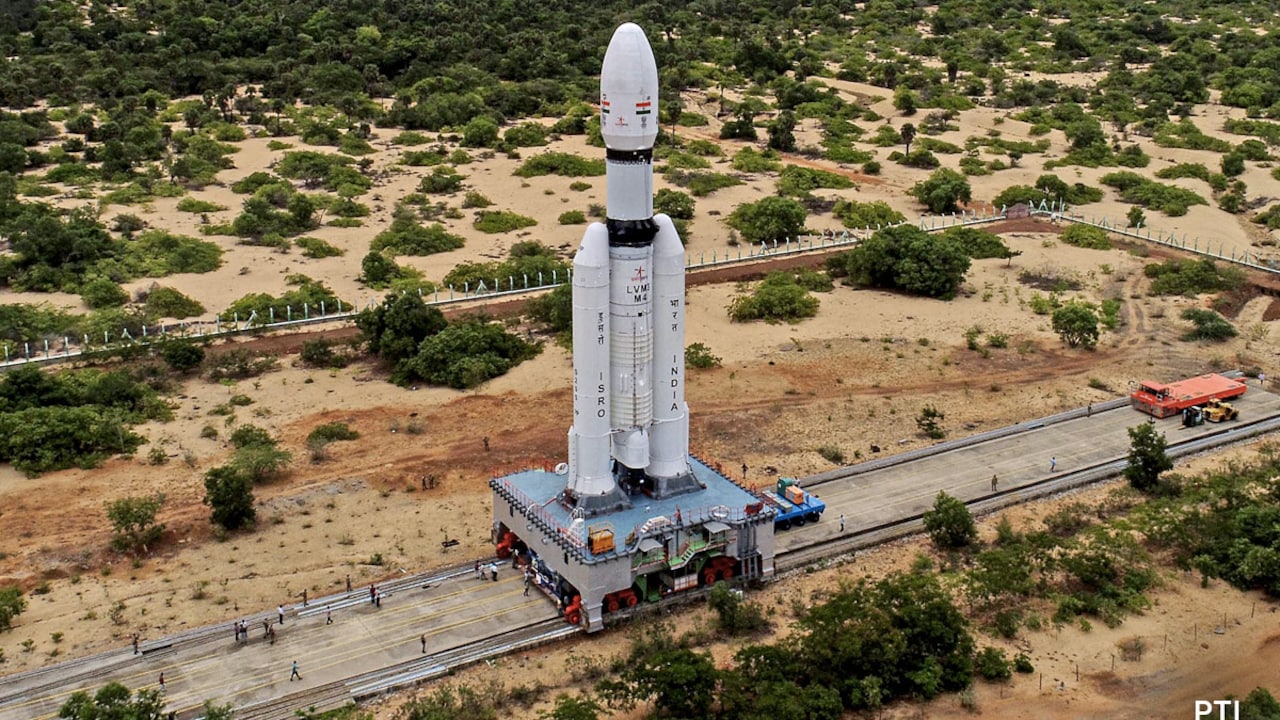
Such comparisons have often shaped public perception. In 2014, Prime Minister Narendra Modi said, “A one-km auto rickshaw ride in Ahmedabad takes Rs 10, and India reached Mars at Rs 7 per km by Mangalyaan, which is really amazing,” while speaking about India’s talent pool and its potential to become one of the top most countries in the world. At times, such comparisons have arguably done the programme’s public image few favours.
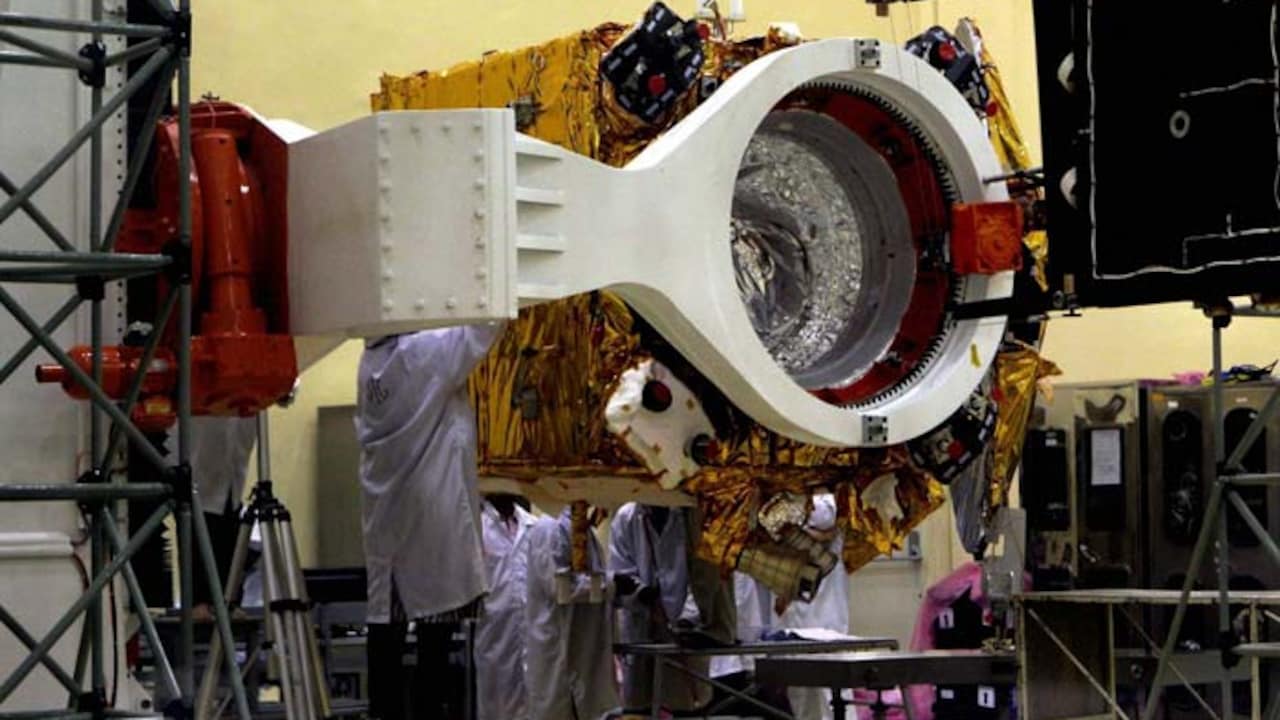
On August 21, Prime Minister Narendra Modi interacted with CEOs and founders of 20 Indian space startups, where he called for creating an ecosystem and an environment where, when the world thinks of space, it looks towards India. He said that India’s space sector can act as a magnet to attract global talent, companies and investment to the country.
The Cambridge and Turin researchers argue that when launch economics are examined through the lens of cost per kilogram delivered to orbit, India emerges not as the cheapest but as the costliest among major launch providers.
The study’s headline finding is stark. While the global average launch cost in 2025 stood at $3,868 per kilogram, the United States averaged $3,225 per kilogram, Japan $5,287, China $5,809, Russia $6,682 and Europe $9,897. India topped the list at $13,302 per kilogram.
The authors themselves acknowledge that the conclusion may appear counterintuitive. “The very high figure for India might be counterintuitive as it stands in stark contrast with the narrative of the country’s frugal space programme,” the paper states. The researchers argue that the explanation lies in rocket size. India’s launch vehicles generally carry smaller payloads, meaning fixed costs are spread over fewer kilograms. As a result, the apparent cost per kilogram becomes significantly higher despite potentially lower absolute mission costs.
The paper goes beyond a simple comparison of launch prices. It examines decades of launch activity and attempts to understand how experience, launch frequency and reusability drive down costs over time. According to the researchers, only the United States and Europe show statistically significant improvements in launch costs through what economists call experience curves. India, China, Russia and Japan do not show a similarly significant pattern in the period analysed, even though China is a major space power with its own space station, the only country in the world to have one.
For India, the study suggests that a relatively low launch cadence may be part of the reason. Countries that launch more frequently learn faster, industrialise more efficiently and distribute fixed infrastructure costs over a larger number of missions. The United States has benefited enormously from this dynamic, particularly through SpaceX.
This conclusion arrives at a sensitive time for ISRO. The agency has faced a difficult phase after setbacks involving its workhorse, the Polar Satellite Launch Vehicle (PSLV) rocket, and a year in which ISRO has seen no successful launches. The attrition of 125 scientists also made headlines. The report therefore lands as more than an academic debate. For many observers, it raises questions about the future competitiveness of India’s launch sector.
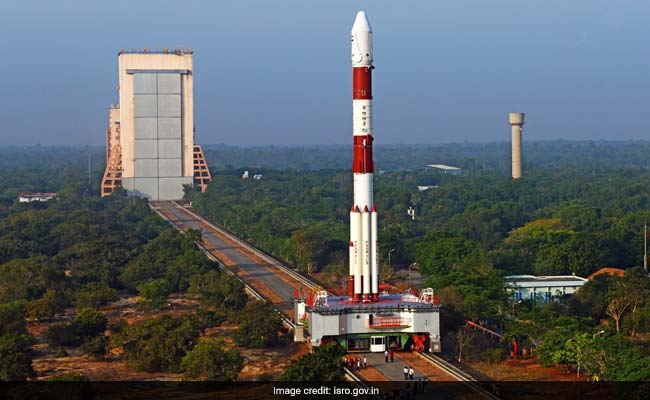
ISRO Chairman Dr V Narayanan, however, has firmly rejected the paper’s conclusions. Speaking to NDTV, he said simply that the paper used “wrong data.” However, no detailed explanation was offered by ISRO regarding which specific datasets, assumptions or calculations were inaccurate. The study itself states that its estimates are built using public sources including government reports, academic research and public documentation, which were standardised into comparable 2024 dollar values.
Speaking to NDTV, former ISRO Chairman Dr S Somanath, now a member of the Board of the Reserve Bank of India, has also challenged the interpretation. According to him, cost per kilogram does not tell the complete story. He notes that for a 4.5 tonne spacecraft, India paid roughly the same launch cost to an American provider as a Launch Vehicle Mark-3 (LVM-3) mission would have cost, suggesting that Indian launch services are broadly comparable to global competitors.
In Dr Somanath’s assessment, SpaceX benefits from lower cost per kilogram largely because of its massive scale and internal utilisation. “Cost per kg for Falcon 9 is lower than ours, but they don’t pass on the benefits to anyone but use it for their own launches,” he argues. He adds that while Indian launchers are not necessarily cheaper than everybody else, they are not excessively expensive either.
India’s space regulator and promoter, the Indian National Space Promotion and Authorisation Centre (InSpace), and the Indian Space Association (ISPA), both declined to comment on the study.
The debate highlights a longstanding problem in comparing international launch costs. India’s actual launch economics remain opaque. Unlike some commercial providers, ISRO does not publicly disclose comprehensive mission cost structures. Even today, one of the most frequently cited official references remains a government response presented in the Indian Parliament in 2018. According to those figures, a PSLV mission was estimated at around Rs 204 crore, while a Launch Vehicle Mark-3 (earlier called GSLV Mk III) mission cost approximately Rs 434 crore. Those estimates are several years old and may not capture the full cost structure associated with infrastructure, workforce and research expenditure, though they may not be far off the mark either.
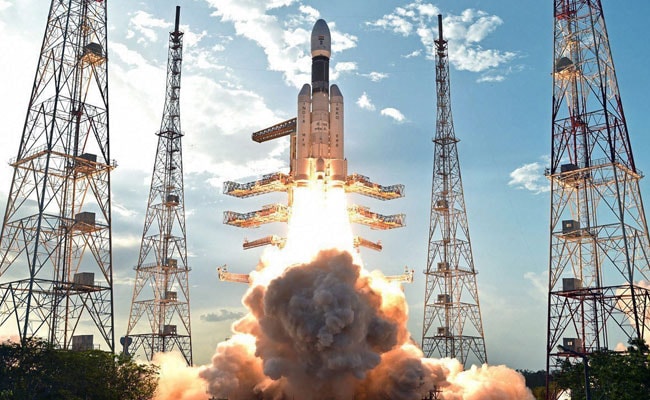
The lack of transparent cost accounting complicates comparisons. India does not generally insure government launches. Losses arising from unsuccessful missions are ultimately absorbed by the public exchequer. Scientists, engineers and support personnel often work simultaneously across multiple programmes, making the attribution of salary and infrastructure costs to individual missions difficult.
This issue was highlighted in discussions surrounding the NASA-ISRO Synthetic Aperture Radar mission, or NISAR. On paper, NASA’s reported expenditure approached $1.2 billion, compared with India’s roughly $300 million contribution. However, experts like Dr Paul Rosen of the Jet Propulsion Laboratory (JPL) noted to NDTV that direct comparisons can be misleading, as Indian accounting practices often distribute long-term infrastructure and personnel costs across multiple missions.
What the Cambridge paper unquestionably demonstrates is the degree to which SpaceX has reshaped global launch economics. The study states that the United States currently enjoys a substantial cost advantage over all major competitors.
The reasons are not difficult to identify. SpaceX has transformed the economics of access to space through reusable rockets. Its Falcon 9 first stages routinely land and fly again, dramatically reducing launch costs. The company has completed hundreds of missions and conducts launches at a cadence unmatched anywhere else in the world, sometimes several in a single day.
The researchers note that American dominance has become so overwhelming that the United States accounted for more than 75 to 80 per cent of global payload launched into orbit during recent years.
The broader geopolitical implications concern the authors as much as economics. In a separate paper titled “Outsourcing the Final Frontier: SpaceX, the East India Company and the Political Economy of Space,” Alessio Terzi warns that reliance on a single dominant private company could create strategic vulnerabilities. According to estimates cited in that work, SpaceX was responsible for roughly 75 per cent of global payload sent to orbit in 2025. The paper raises the possibility that such dependence could one day become a geopolitical bargaining tool.
Terzi points out that “the result is that, according to our estimations, one single American company, SpaceX, was responsible for 75 per cent of global payload to orbit in 2025. Going forward, it is not implausible that a US administration might decide to weaponise this dependency or use it as a bargaining chip to coerce other nations.”
Whether SpaceX becomes what Terzi calls “the East India Company of the space economy” is yet to be known, but with a trillion-dollar valuation, Elon Musk certainly commands the kind of global reach the comparison implies.

That warning resonates strongly with countries seeking strategic autonomy in space. India’s challenge is therefore a delicate balancing act. On one hand, policymakers want an independent launch capability for national security and technological sovereignty. On the other hand, global economics increasingly favour large-scale reusable systems that benefit from enormous launch frequency.
The contrast with SpaceX is particularly striking. Founded in 2002, the company now employs roughly 22,000 people and conducted around 165 Falcon 9 rocket launches in 2025 alone. ISRO, established in 1969 and employing roughly 16,000 people, has conducted about 105 launches in its entire 57-year history. India itself has used Falcon 9 launch services twice, underscoring the reality that even spacefaring nations sometimes turn to the American giant.
Perhaps the most important lesson emerging from the study concerns reusability. The researchers repeatedly point to reusable systems as the principal reason behind the United States’ cost advantage. India has experimented with Reusable Launch Vehicle (RLV) technologies and successfully conducted technology demonstrations. However, the country has yet to place an orbital reusable rocket into service. The planned Next Generation Launch Vehicle, envisioned as a reusable system, remains under development.
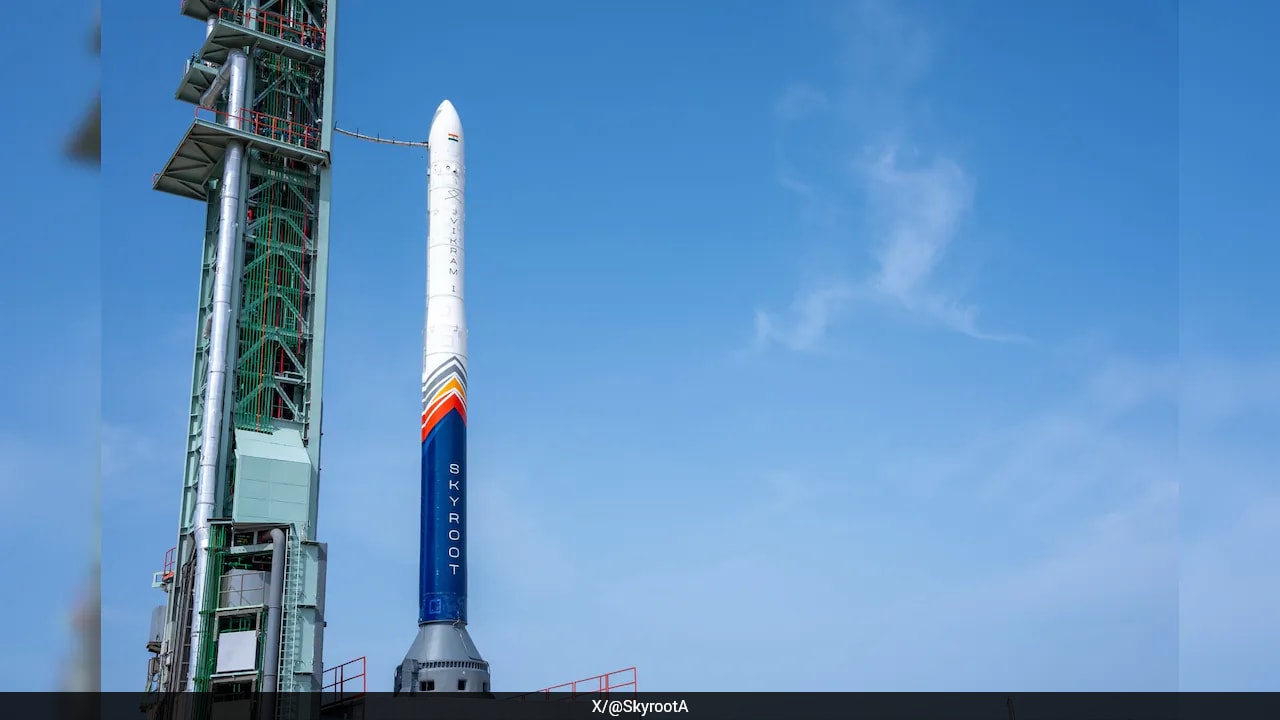
Meanwhile, private Indian company Skyroot Aerospace is attempting to build a commercial foothold through its Vikram series of rockets. The company has not publicly disclosed launch prices for Vikram 1, which it successfully flew in July, but it hopes to capture a share of the growing small satellite market.
All this matters because the stakes are enormous. Union Science and Technology Minister Dr Jitendra Singh has repeatedly stated that India’s space economy could grow from roughly $8 billion to $9 billion today to as much as $40 billion to $45 billion over the coming decade.
Whether that ambition can be achieved while maintaining competitiveness in launch services is likely to become one of the defining questions facing India’s space sector. Otherwise, this could remain an aspirational mirage.
On National Space Day, therefore, the Cambridge and Turin analysis should perhaps be viewed not as an attack on ISRO but as a wake-up call. The study does not deny India’s extraordinary achievements. It does, however, challenge a cherished assumption. The researchers argue that launch economics are changing rapidly and that scale, launch cadence and reusability increasingly determine who wins the race to orbit.
For an organisation that built its global reputation on doing more with less, the message is unmistakable. India may still be capable of remarkable engineering on limited budgets, but if the world’s launch market is being reshaped by reusable rockets and industrial-scale operations, the next chapter of India’s space story may require not just frugality, but a fundamental rethink of how rockets are built, flown and reused.
This finding arrives even as ISRO awaits its first successful rocket mission of the year.


