


Washington:
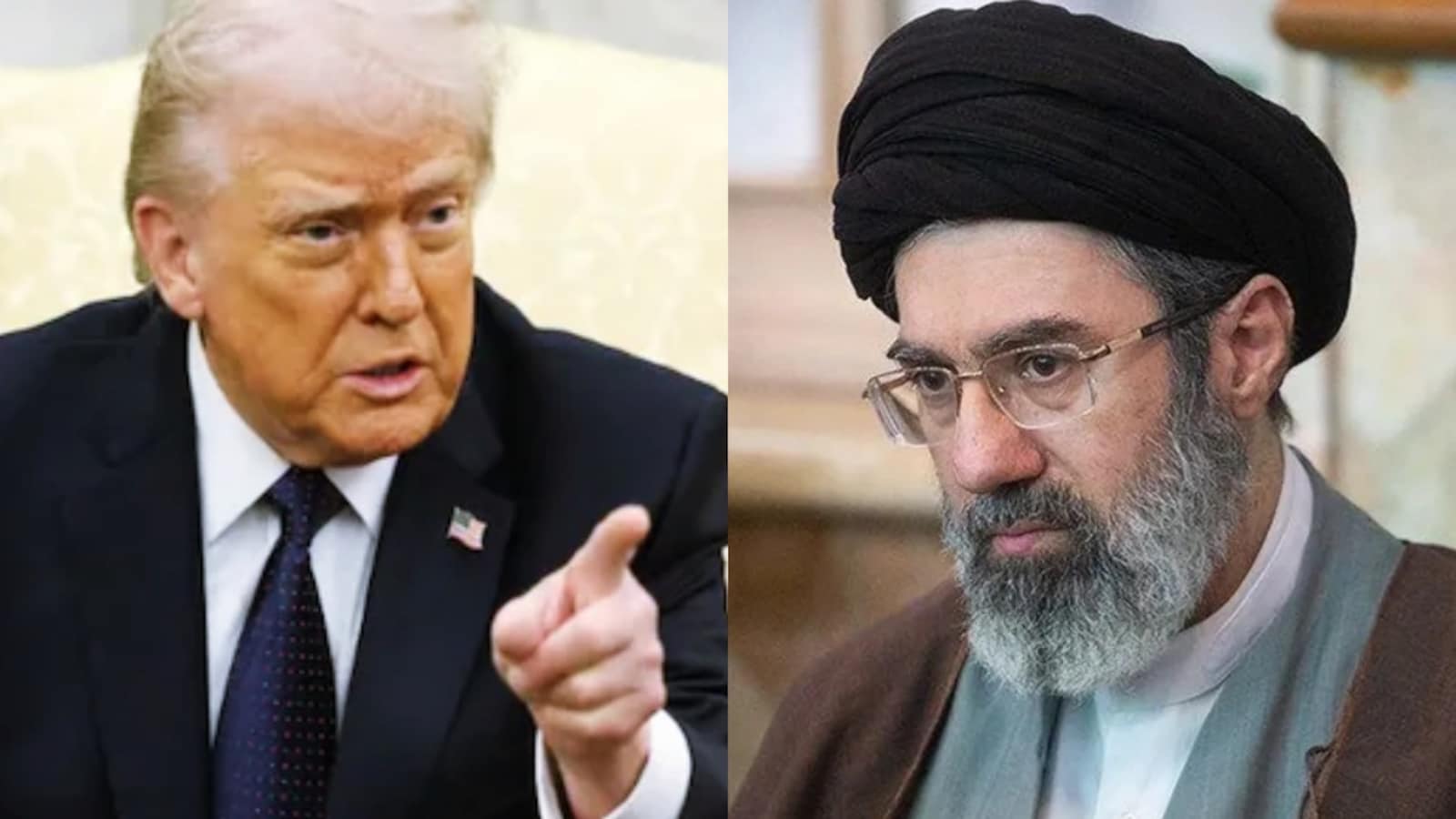
For weeks, mediators have been working relentlessly to hammer out a peace agreement between Iran and the United States that would ultimately end the war in the Middle East. Now, reports have claimed the two sides have finally agreed on a memorandum of understanding (MoU) to prolong their fragile ceasefire for 60 days and launch negotiations on Iran’s nuclear programme.
However, US Vice President JD Vance has claimed the framework for a ceasefire extension still awaits approval by President Donald Trump. “It’s hard to say exactly when or if the president is going to sign the MOU,” Vance, who has played a key role in the negotiations, told reporters.
“We’re going back and forth on a couple of language points. We’ve made a lot of progress here.”
Iran’s Tasnim news agency, citing a source close to Tehran’s negotiators, also reported that the text had not been finalised yet and that Pakistan would be informed if a deal was reached. Iranian sources cited by local media said any deal would be complete only when announced by Tehran, not unilaterally by Trump.
If finalised, the MoU will be an initial framework, paving the way for more substantive — and most likely prolonged — negotiations to determine the future of Iran’s nuclear programme, US sanctions and a formal end to the war.
What’s Inside the Deal
Hormuz Blockade: According to a report by Axios, under the proposed deal, shipping through Hormuz would be unrestricted, with no tolls or harassment; Iran would remove all mines within 30 days, and the United States would lift its naval blockade if commercial traffic resumes.
Iran’s Nuclear Programme: Moreover, the draft deal will include a pledge that the two sides will commit to negotiating the fate of Iran’s enriched uranium and an Iranian commitment not to pursue a nuclear weapon.
Under the agreement, the Axios and New York Times reported, the first issues both sides will negotiate during the 60-day window will be the disposal of Iran’s stockpile of about 970 pounds of uranium and the regulatory framework for Iranian enrichment. There are reportedly another ten tonnes of nuclear material enriched to lower levels that negotiators would have to deal with.
US Sanctions: The United States will also commit to discussing sanctions relief and the release of Iran’s frozen assets as part of the negotiations. The two sides will also discuss a mechanism to help Iran start receiving goods and humanitarian aid, the Axios report said. However, the NYT report said what’s on paper may not match what the two sides agree to verbally.
Iran has an estimated $24 billion of its own money frozen in banks abroad, and it has wanted access to up to $20 billion of those assets, the report said.
War in Lebanon: The deal will also have a clause about ending the war between Israel and Hezbollah in Lebanon — an issue on which Trump and Israeli Prime Minister Benjamin Netanyahu have had at least one tense discussion. Israel has recently stepped up its military offensive against the Iran-backed Hezbollah.
Investment Fund for Iran: But perhaps the most surprising addition to the agreement is a reference to an investment fund for Iran. Quoting an Iranian official, The New York Times reported that the US would agree to setting up a $300 billion “reconstruction programme”. The Iranian official said the money would be promised to Iran in the event of a final agreement being signed.
US diplomats briefed on the latest draft reportedly called it an international “investment fund”, which the US “would help facilitate in the event of a final deal”. They said plans for such a fund would be further discussed during the negotiation period.
According to the NYT report, Iranians have proposed that American companies, including major oil and energy corporations, could enter Iran for investments and joint venture deals as part of the deal.
The Thorny Issues
The two sides are close to the deal, yet lingering vagaries remain. As the majority of the talks have taken place through the Pakistani and Qatari mediators, it is reportedly not clear whether the Americans and the Iranians have been working on the same version of the memorandum or who exactly in Iran has the authority to signal an agreement, the NYT report said.
The US diplomats NYT talked to said the preliminary agreement outlined an end to hostilities for an initial 60-day period, allowing for negotiations between the two sides. But the version described by the Iranian official said the terms included a “declaration of the end of war” on all fronts, including Lebanon, for the duration of the negotiations. The Iranians also claimed the MoU pertained only to the period of negotiations for a broader, more permanent deal.
Moreover, the deal was also expected to allow for a period of free navigation through the Strait of Hormuz, the vital waterway for commercial shipping through which about a fifth of the global oil and gas passed in peacetime.
However, under the US understanding, the American blockade would remain but would be reduced in stages depending on how much pre-war ship traffic is restored by Iran. The idea is to incentivise Iran to demine the strait quickly.
The Iranian official, however, told the NYT that the deal would see the US blockade lifted “within 30 days” and the strait opened for the duration of the talks. The United States has placed no time frame on it, a US official said.



