


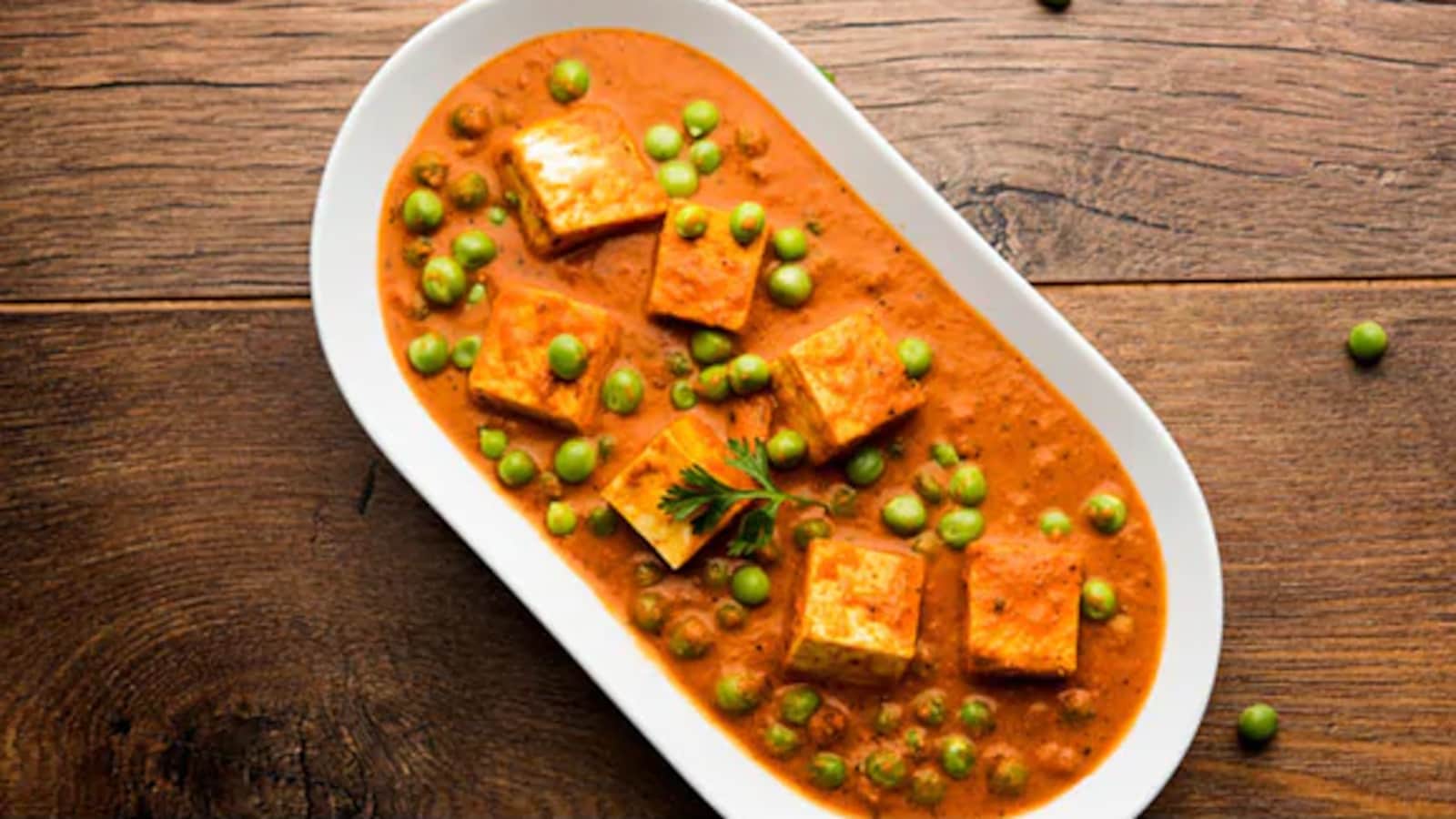
While paneer remains one of India’s most-loved ingredients, experts say not all products sold as paneer are necessarily made from pure milk. In response to growing concerns, the governments of Chhattisgarh, Maharashtra, Gujarat and Uttarakhand have imposed an immediate ban on the manufacture, processing, storage, transportation, distribution and sale of certain non-standard dairy analogue products.
According to officials, these products are often made using vegetable oils and other non-dairy ingredients. They may be passed off as authentic paneer, potentially misleading consumers and raising food safety concerns.
Have you ever ordered a paneer dish at a restaurant, cafe or dhaba, and wondered whether the paneer here is real or fake? How can diners tell the difference? We asked chefs and nutrition experts to share the signs to watch for.
Also Read: Fake Paneer, Ghee, Butter Banned In Uttarakhand Effective Immediately
What Real Paneer Should Look And Feel Like
Celebrity chef Harpal Sokhi says one of the easiest ways to assess paneer is by paying close attention to its texture.
“Real, fresh paneer should feel soft, moist and slightly crumbly, with a clean, milky flavour,” he explains. It should offer a gentle firmness when bitten into, without feeling rubbery, gummy or excessively chewy.
If it appears unnaturally smooth, extremely uniform or overly oily, consumers may want to be cautious.
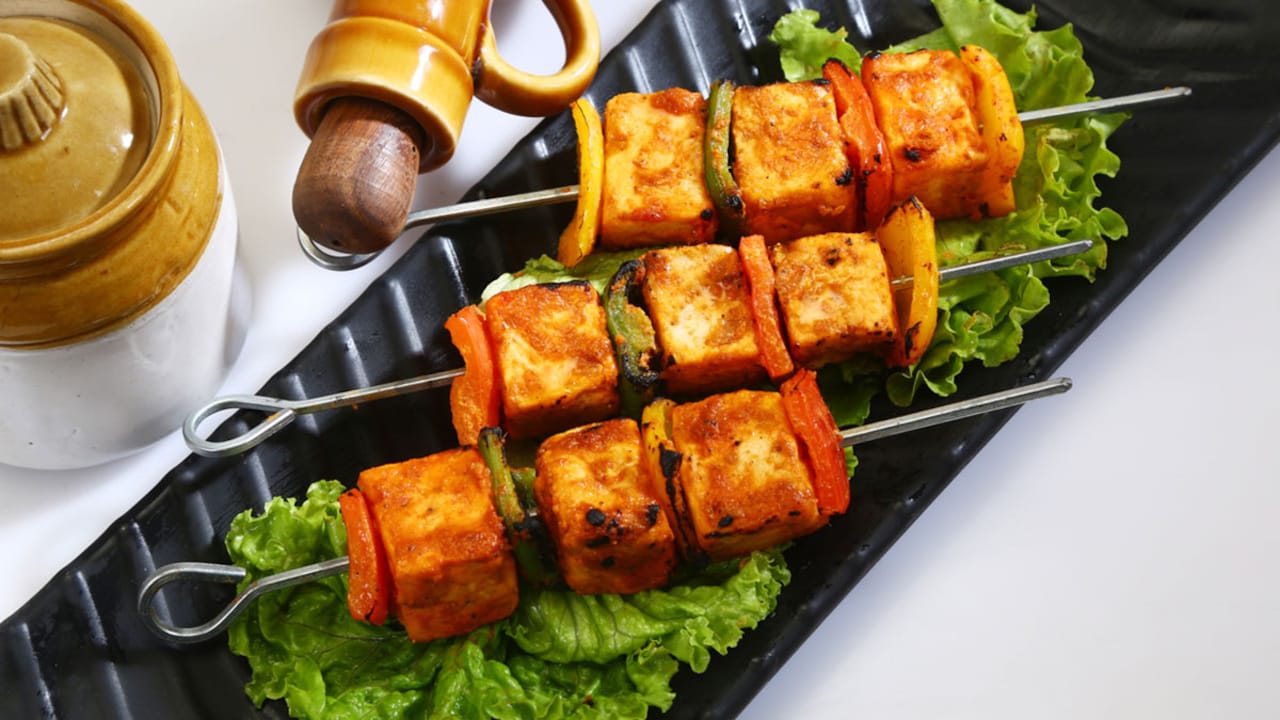
However, Chef Sokhi adds that texture alone should not be used as a definitive test because cooking methods can alter the consistency of paneer. Fried, grilled or heavily cooked paneer will naturally become firmer than fresh paneer.
“When in doubt, ask the restaurant about the source and preparation of its paneer. A good kitchen should be happy to tell you,” he says.
Red Flags To Watch Out For
Chef Aman Kumar Jha, Executive Chef at Maharishi Ayurveda Hospital in New Delhi, highlights several warning signs that may indicate poor-quality or imitation paneer:
- A smell resembling soya or palm oil
- An unusual taste or odour
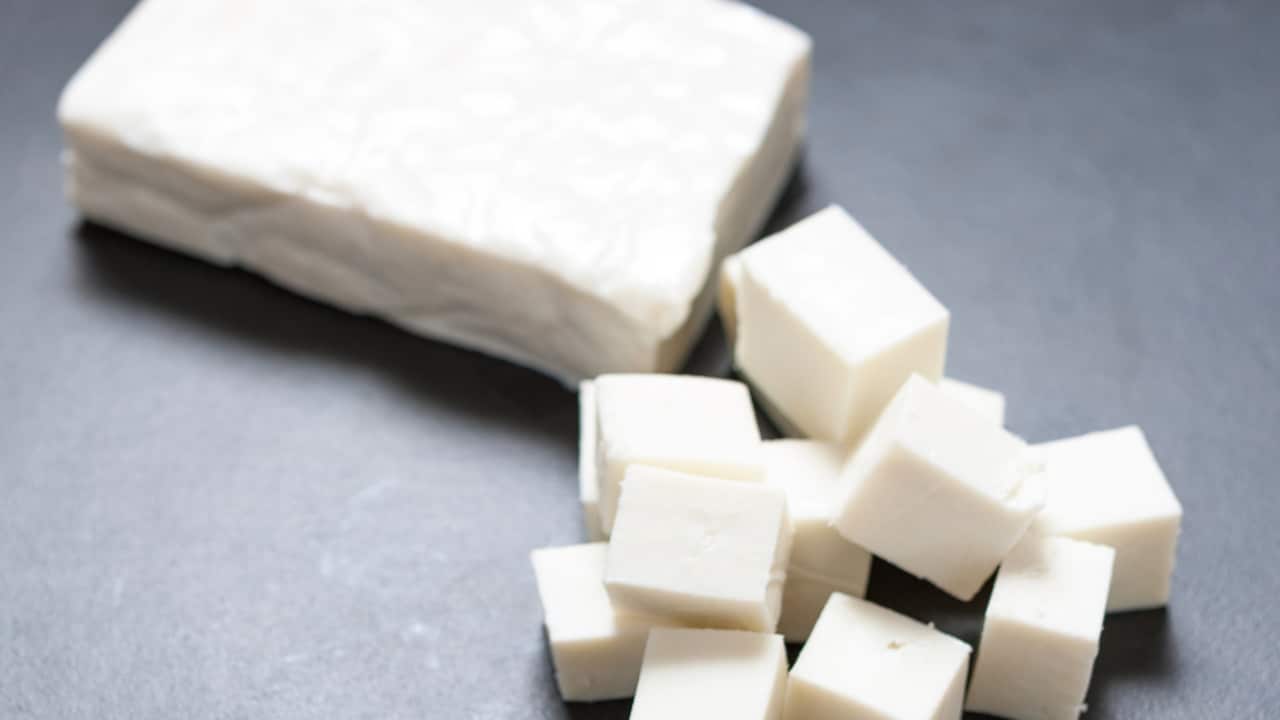
- An unnaturally bright white and perfectly uniform appearance
- A rubbery or overly spongy texture
- Paneer that crumbles excessively when cut with a knife
- Paneer that melts, breaks apart or loses structure abnormally during cooking
- Excessive water release while being cooked
According to Chef Jha, good-quality paneer should have a fresh dairy aroma, a natural creamy-white colour, a firm yet soft texture, and should hold its shape well during cooking.
The Fork Test And Other Easy Checks
Mumbai-based clinical nutritionist Prachi Mandholia says texture remains one of the strongest indicators of authenticity.
She suggests a simple fork test. Fresh paneer usually crumbles when gently pressed with a fork or spoon. If the cubes remain perfectly intact, feel unusually dense or bounce back like rubber, it could be a sign of heavily processed or imitation paneer.
Also Read: Customer Alleges Blinkit Delivered ‘Fake’ High-Protein Paneer, Company Denies Claim
Can The Price Of A Paneer Dish Reveal Anything?
According to Mandholia, diners should also pay attention to unusually low prices. Since milk-based paneer is relatively expensive to produce, paneer dishes priced significantly lower than those at comparable eateries could be worth questioning. While a low price alone does not prove adulteration, it may be a sign that lower-quality ingredients are being used.
Simple Signs Dietitians Want You To Remember
Dietitian and Certified Diabetes Educator Archana Batra believes consumers can identify genuine paneer through a few basic observations.
She says real paneer is slightly spongy and elastic. It should not crumble excessively, melt into mush or release large amounts of water. It should also carry the natural smell of milk or cream.
Another clue lies in its appearance. Authentic paneer generally has a subtle off-white shade and a matte finish rather than an unnaturally bright or glossy surface.
Key Takeaways To Remember
While identifying fake paneer may not always be straightforward, experts agree that texture, aroma, flavour and appearance can offer important clues.
Soft, mildly milky and naturally off-white paneer is generally what consumers should expect, while rubbery textures, artificial smells and suspiciously uniform appearance may warrant a closer look.
As concerns over dairy analogue products continue to grow, being aware of these signs can help diners make more informed choices when ordering their favourite paneer dishes.



