


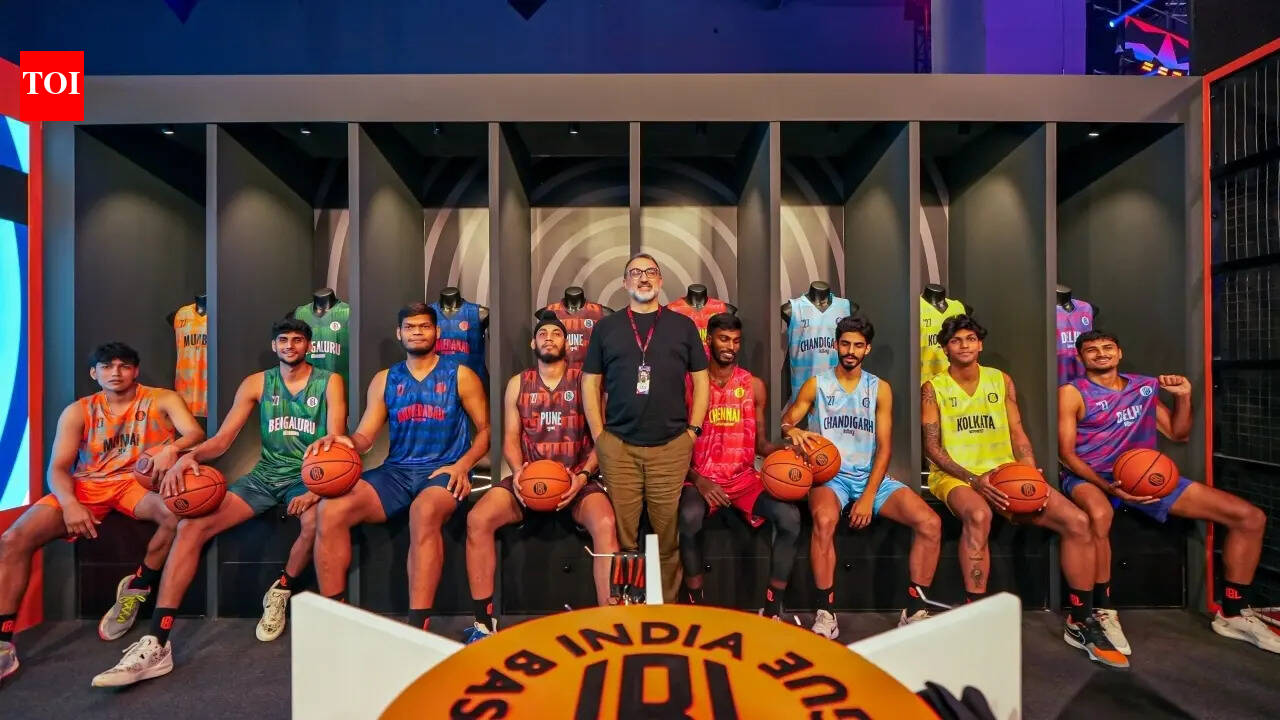

New Delhi: Indian sport has seen this script before. A new league arrives with ambition, big money, overseas faces, big promises, a multi-city approach and the inevitable question: can it survive in a country where cricket consumes much of the oxygen?Melburnian Jeremy Loeliger has heard that question before. In fact, he has lived it.Long before he became India Basketball League (IBL) Commissioner, Loeliger watched basketball fight for relevance in Australia — a market dominated by Australian Rules Football, Rugby, Cricket, Football, established sporting giants, passionate fan bases, and limited room for another professional competition. That, he says, is precisely why India makes sense.“There are a lot of similarities between basketball, the position that basketball was in in Australia 15 years ago and the position that basketball finds itself here in India,” Loeliger told TimesofIndia.com ahead of the BUDx NBA House in Delhi, where IBL’s eight foundation cities were announced.The comparison is deliberate. In Australia, basketball had participation, but not a sustainable professional product. India, he believes, sits at a similar crossroads. “There had been passion, but no capital. And I think that’s true here in India as well.”
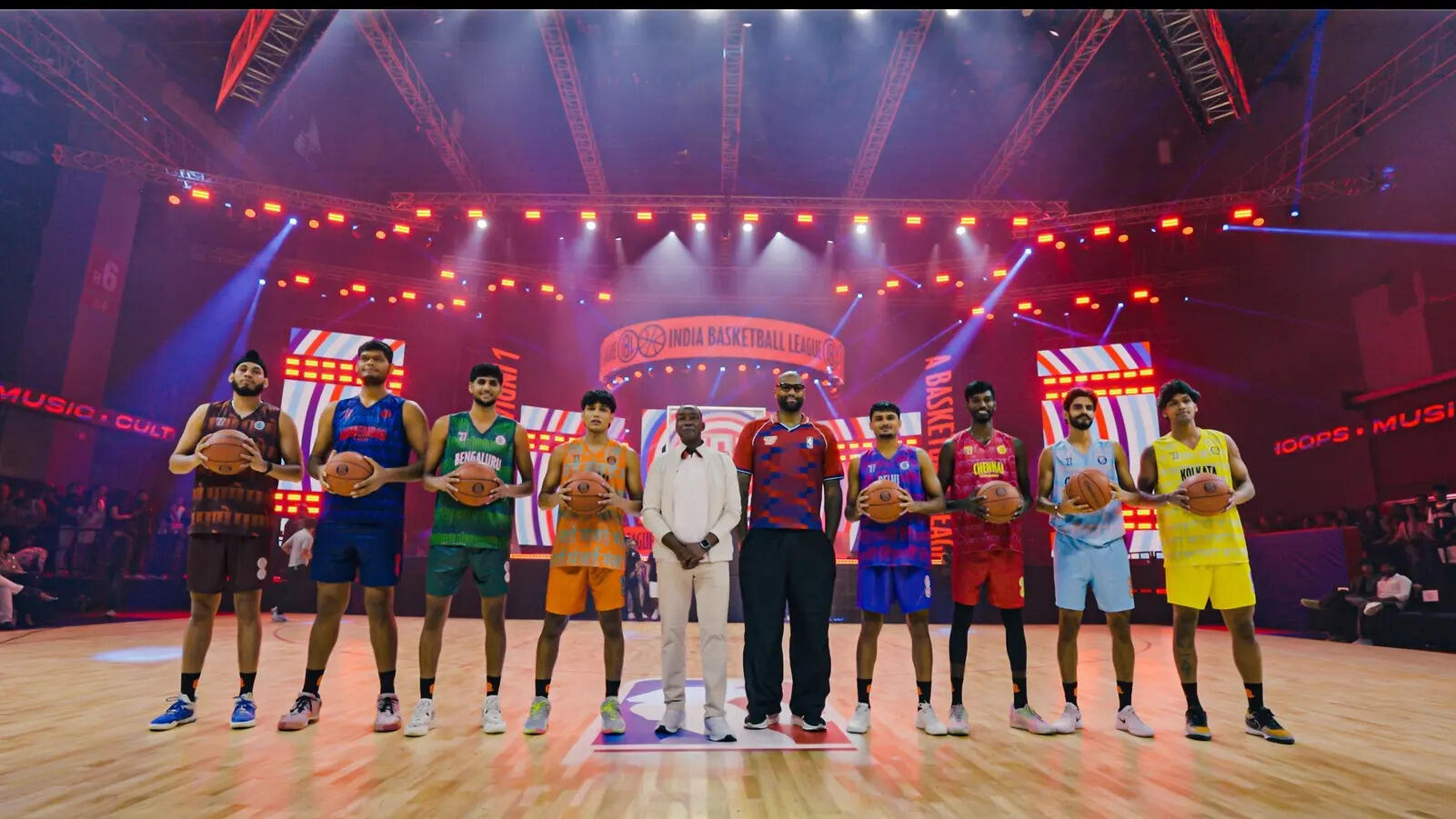
At the onset, the India Basketball League (IBL) will feature six city-based teams.
That diagnosis matters because Indian sport is littered with leagues that have struggled to convert novelty into longevity. Even established sports with deep roots have wrestled with attendance, investment and visibility.Hockey India League and Pro Wrestling League both had a seven-year hiatus; Premier Badminton League was played for five seasons but hasn’t restarted since 2020. Premier Hockey League, Champions Tennis League and World Series Hockey are others that began with plenty of noise before shutting shop.But IBL’s pitch is different. It is not trying to out-cricket cricket.“We’re not selling eyeballs. Not to begin with. We’re selling the heart and mind,” said Loeliger.
What we want is an audience that is truly engaged and passionate about our sport, who support it, who love it for what it is
IBL Commissioner Jeremy Loeliger
“We’re selling that this is an inclusive product that’s for everyone, and that it will be entertaining from the moment that you walk in. We won’t have as big an audience as cricket for many years to come. That’s fine.“What we want is an audience that’s truly engaged and passionate about our sport, who support it, who love it for what it is. You don’t always need to play the volume game,” he continued.That may be the most revealing line about what the IBL is actually trying to build.In an era where sports leagues obsess over reach, ratings, and scale, the IBL is opting for intimacy. Passion over volume. Community over mass-market metrics.What basketball believes it has, though, is something Indian sport has perhaps under-explored: entertainment.
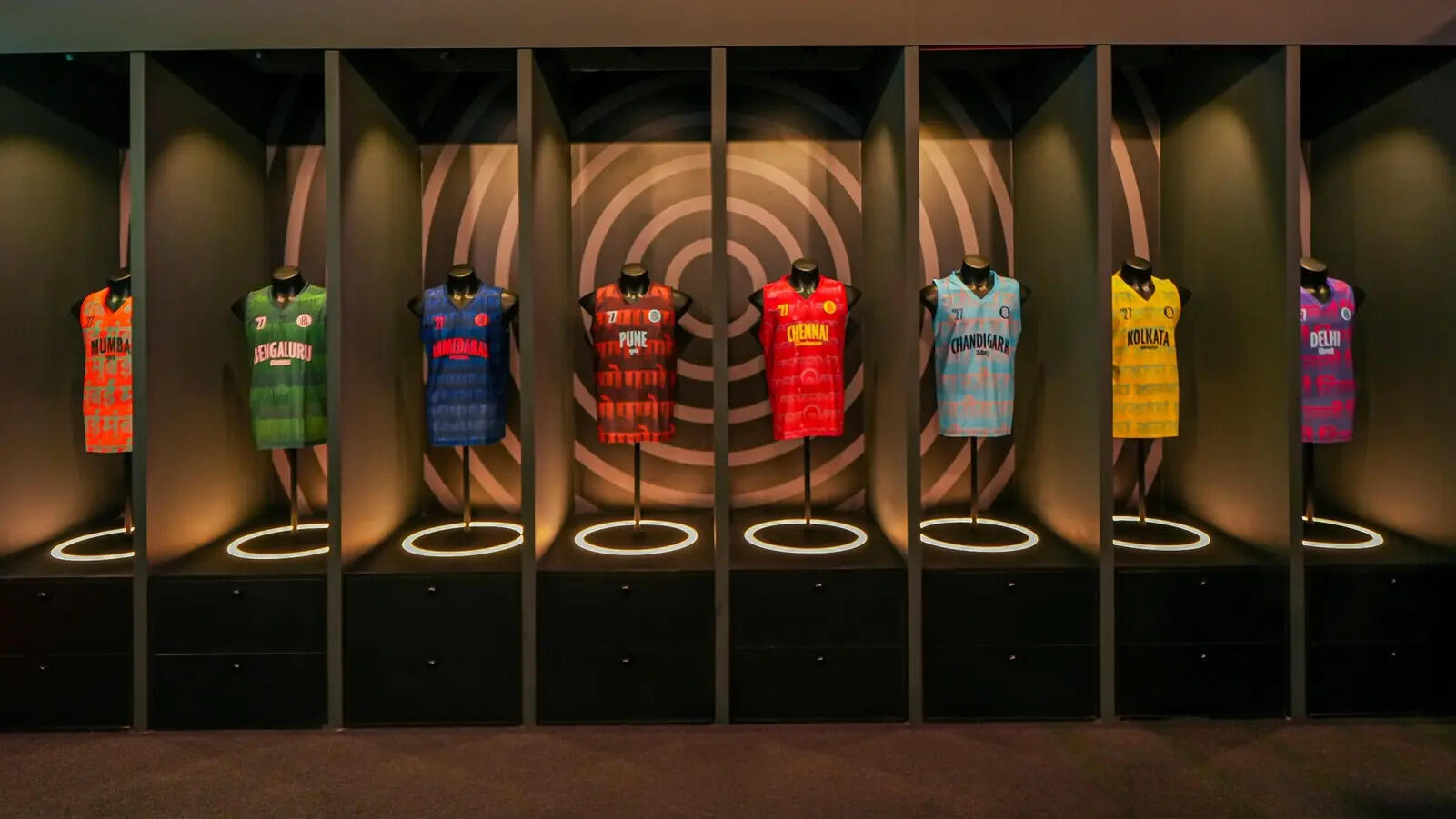
The eight foundation cities of IBL are Mumbai, Delhi, Bengaluru, Kolkata, Chennai, Ahmedabad, Chandigarh, and Pune.
“I think sporting entertainment is lacking here in India,” said Loeliger.“Yes, there are some sports that do it well, and the IPL is a great example. It’s a great sports entertainment product, but it only plays for two or two-and-a-half months of the year. People want to be entertained 12 months of the year.”This is where basketball’s case gets interesting. Unlike cricket, where physical distance separates fans from players, basketball offers proximity. Noise. Speed. Contact. Theatre.“One of the great things about basketball is the proximity to the sport. If you go to a game, you’re sitting right there. You can literally smell the players,” explained Loeliger.“You can get a basketball or a basketballer in your lap. There’s no other sport where you can hear the coaches, the players and the referees. So, I think that’s one element that makes basketball unique.”
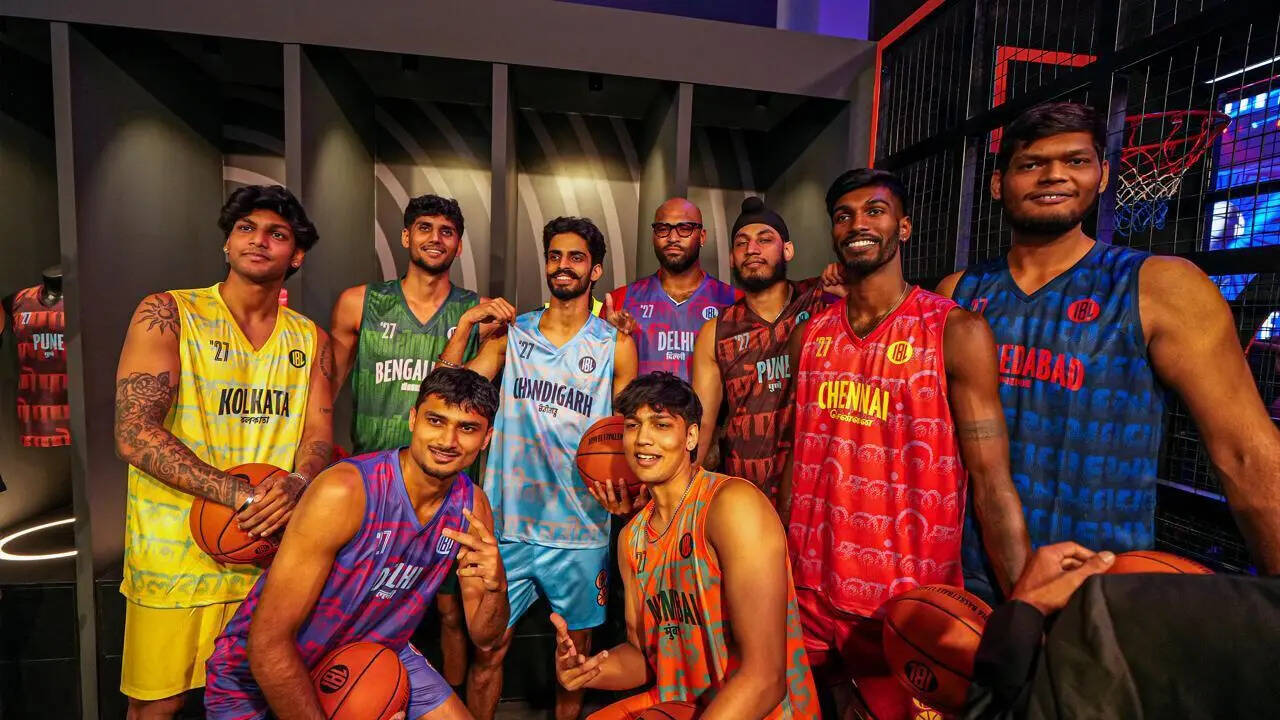
Each IBL team squad will comprise of 12 players featuring Indian and overseas athletes.
Based on the elevator pitch, the IBL is not just selling a sport. It is selling an experience. That helps explain some of the league’s structural choices.When the league launches in early 2027, six teams will form the inaugural competition before expansion. Each 12-player squad will feature seven Indian players and five overseas professionals, with regulations ensuring local players are not overshadowed. Players will be centrally contracted and paid by the league, with a draft system instead of the conventional franchise spending race.Unlike many other sports leagues, the organisers are not in a hurry to privatise teams, introduce flashy auctions and mix Bollywood with sport. The eight foundation cities are Mumbai, Delhi, Bengaluru, Kolkata, Chennai, Ahmedabad, Chandigarh, and Pune. The six teams that will play the first season, or more, will be decided by fans. That measured approach is unusual in Indian sport, where rapid commercialisation often arrives before the sporting foundations are secure. Loeliger insists patience is intentional.
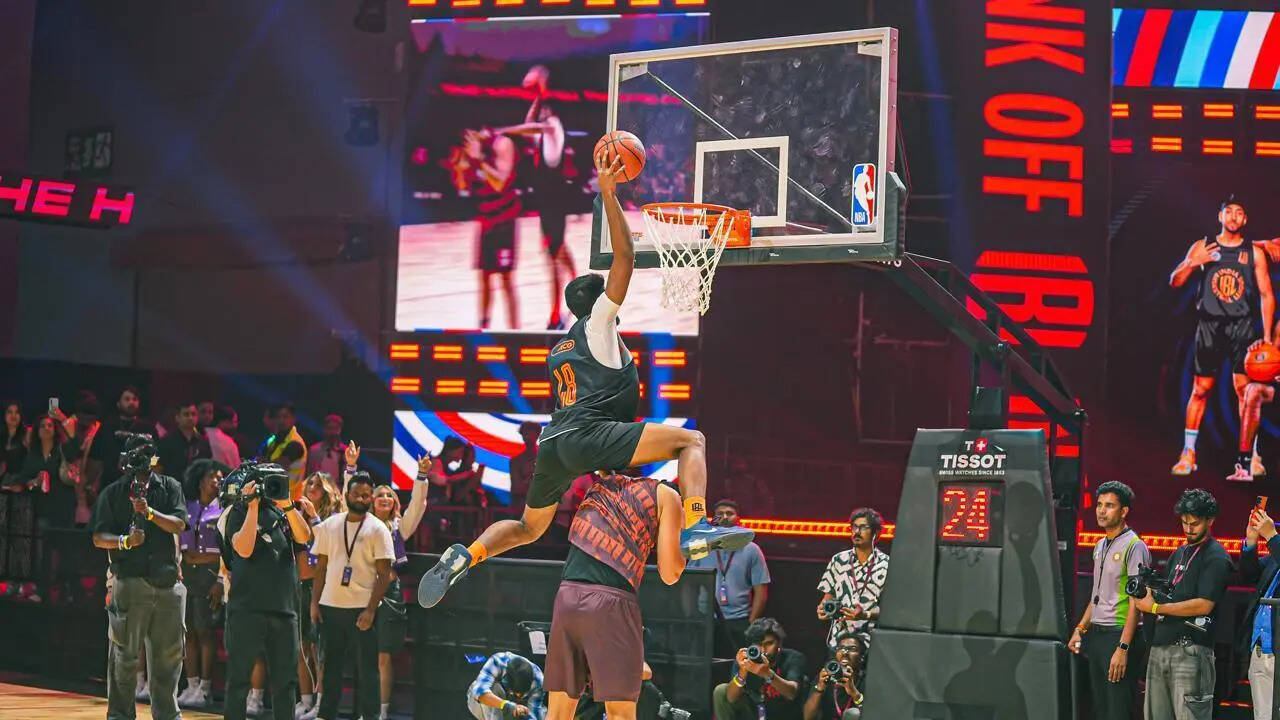
Action from the BUDx NBA House in Delhi, where IBL’s eight foundation cities were announced.
“It needs patience, it needs partners, and it needs persistence. And it needs a balance sheet. We’ve got all of those things now,” he explained the mantra behind creating a successful product.Perhaps the boldest assumption underpinning the project is that India’s basketball audience already exists.“Everyone knows about LeBron (James). Everyone knows Victor Wembenyama is now the next big thing.”The problem, he argues, is accessibility. NBA games happen in inconvenient time zones. The stars are distant. The fandom is fragmented.“But it’s hard to tune in when the games are on and finishing at 7.30 or 8.30, 9 o’clock in the morning. So the latent demand is there, but accessibility is not.”That is the opportunity the IBL hopes to unlock: prime-time basketball featuring players from Indian neighbourhoods, not just imported stars. The bigger dream, though, lies beyond the first season. Basketball’s global ecosystem gives it an aspirational pathway few Indian sports can offer. “That’s when we’re going to find the next Yao Ming or Jeremy Lin. That’s when we’re going to find our Giannis Antetokounmpo.”It is an ambitious claim. But not entirely irrational.India already has basketball-playing youth, growing street culture, NBA familiarity and a lifestyle affinity with the sport. The missing piece has been a credible domestic platform.The High Performance Centre in Bengaluru — where 88 professional players currently train — is part of that long-term vision.Still, realism remains necessary. Infrastructure remains the league’s biggest immediate hurdle, prompting the organisers to be patient.“The biggest challenge here is infrastructure. Having venues that are appropriate for staging the kind of production that we want to give to our fans.”Suitable arenas are limited. The first edition will therefore be played in a caravan format instead of a home-and-away competition.“Infrastructure is probably the biggest challenge at the moment from a professional game day point of view. But that’s okay, we’re going to start playing in a caravan to begin with, not as a home and away format. Home and away format will follow in the years to come.”But perhaps the bigger question is not infrastructure — it is attention. In a country where every new league eventually gets measured against cricket, the IBL is making a different bet: that basketball does not need to win the numbers game immediately, only the emotional one.If Loeliger is right, India does not need to be taught to like basketball. It simply needs a league compelling enough to turn casual interest into lasting fandom.



