


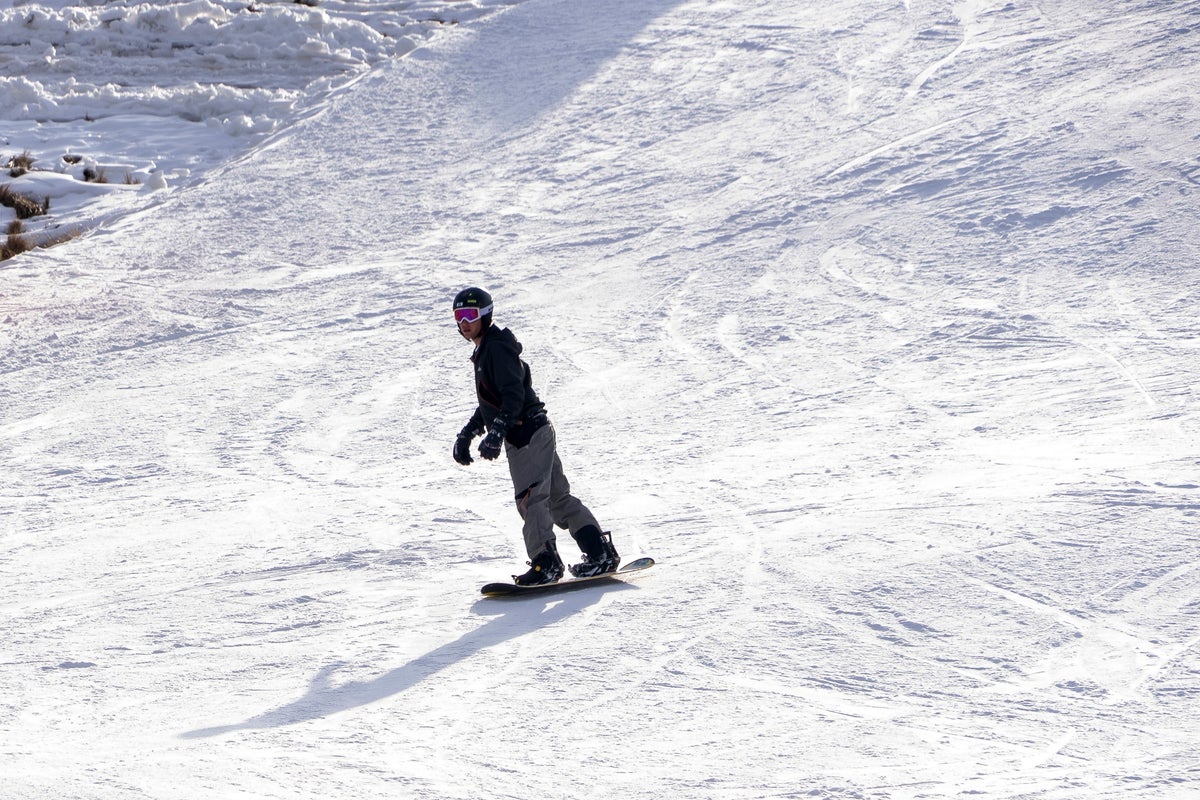
When you think of ski destinations, a landlocked African kingdom may not be the first place that comes to mind.
But for many skiers, Lesotho – a tiny monarchy which is completely encircled by South Africa – has become a must-visit destination in recent years.
Lesotho’s high elevation (its entire territory lies above 1,000 metres, earning it the nickname ‘the Kingdom in the Sky’) and mountainous terrain combine to make it the coldest country in Africa.
Temperatures in the highlands typically plunge to minus eight degrees Celsius between June and August.
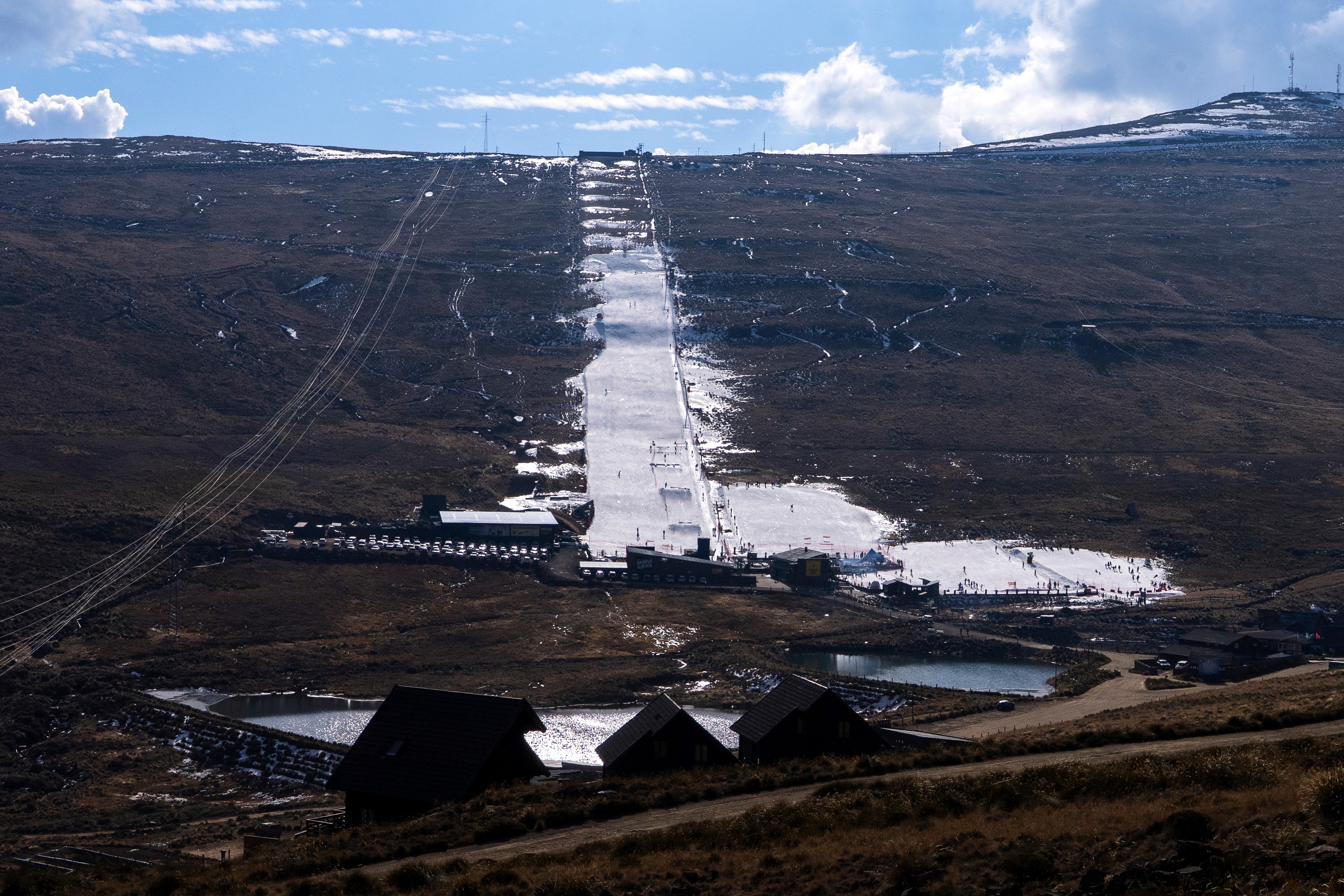
Its single fully operational ski resort is Afriski Mountain Resort in the northern Maluti Mountains – which is also the only one in sub-Saharan Africa.
The resort, 3,200 metres above sea level, attracts thousands of people each winter, keen to take to the 42-acre slopes that surround it.
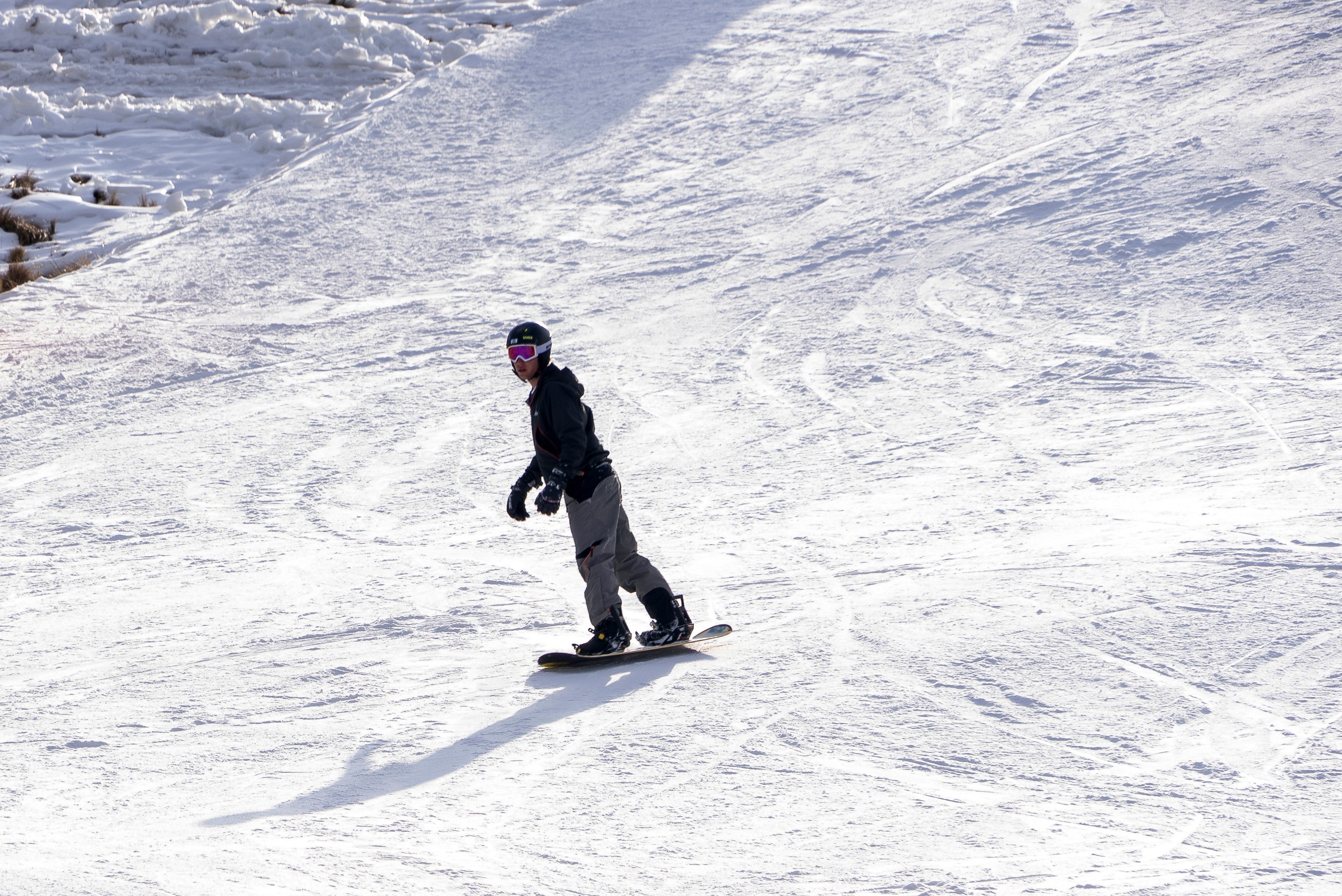
It opened 25 years ago and is a short bus or car ride from the nearest major town of Butha-Buthe, which is about 50 miles away.
In 2025, tourism contributed about seven per cent to Lesotho’s annual GDP of $2.6 billion (£1.94 billion).
Afriski provides a chunk of needed cash in a country cited by the World Bank as one of the poorest in the world – and its artificial snow machines ensure that it can stay open throughout the Southern Hemisphere’s winter.
Most visitors come from South Africa
In 2024, Lesotho, which has a population of 2.3 million, celebrated 200 years since the founding of the Basotho nation and 58 years of independence from British rule.
Most people drive into Lesotho from neighboring South Africa, but international visitors can also fly in to the airport in Maseru, the country’s capital.
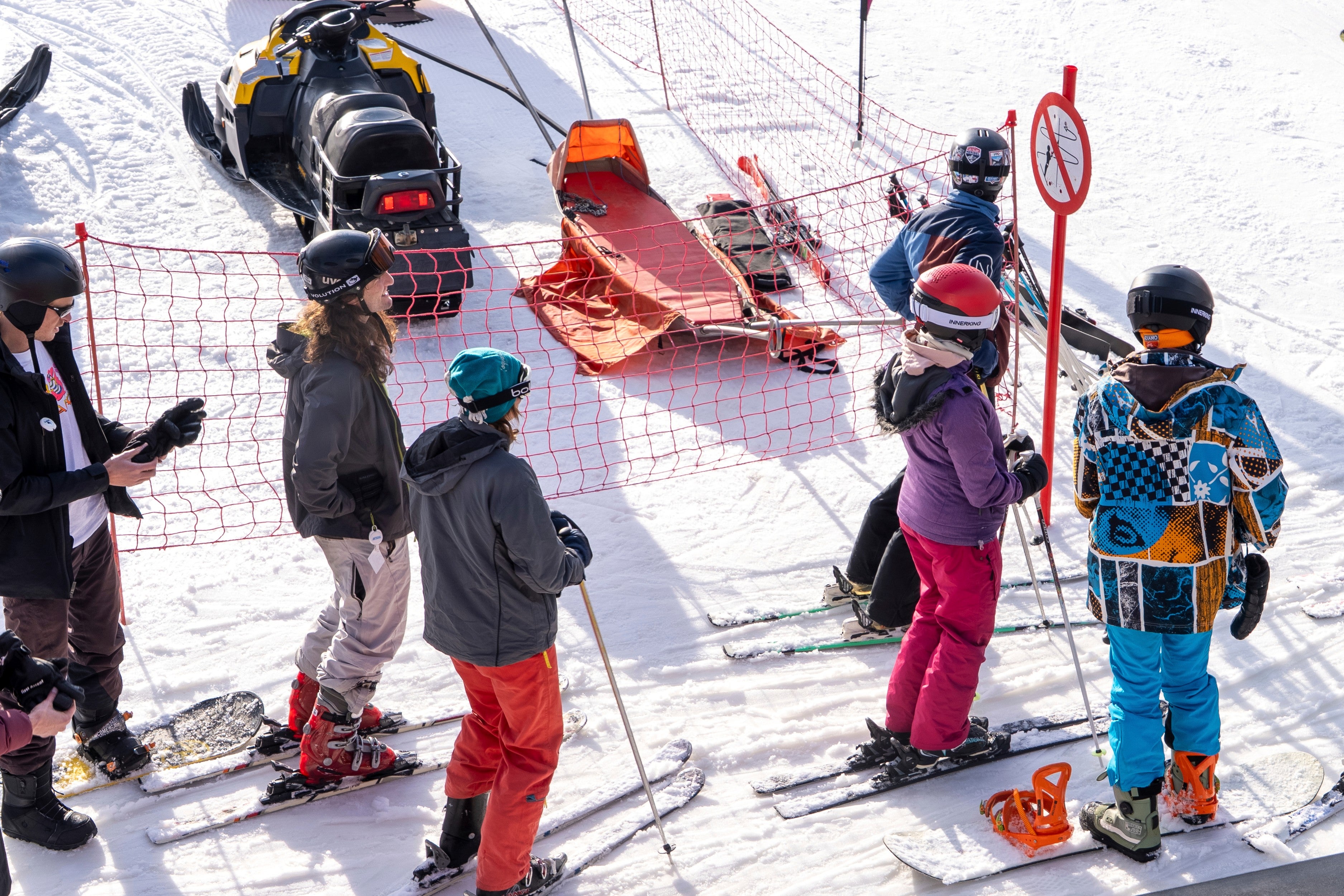
Afriski’s chief executive, Theo Ferreira, said that almost 70 per cent of its visitors come from South Africa, with the rest mostly from Lesotho or elsewhere in southern Africa.
The resort now has 227 full-time and seasonal employees, nearly all Lesotho nationals, with about 30 South Africans working mainly as skiing instructors, he said.
While the resort has rooms for 420 overnight guests, the nearby Butha-Buthe and Mohlokong towns can offer extra accommodation in peak season. The busiest day so far this year saw more than 1,400 visitors while in 2025, the record was more than 1,600 day visitors and those staying overnight or longer, Mr Ferreira said.
Because unreliable weather patterns can make natural snow scarce, the resort relies on artificial snow to make skiing possible all winter long.
‘When you think of the African contintent, you don’t think of snow’
The resort has played role in helping ski tourism emerge as another attraction in southern Africa, known for its wildlife and scenic coastlines along the Indian and Atlantic Oceans.
For many visitors, Afriski is where they had their first ski lessons, braving falls and dusting themselves off before having another try, and another – until making that first, full glide down without falling.
Janko Smits, a student from Cape Town, South Africa, describes it as “an amazing slope to learn on”.
“At the start it was a little discouraging because you fall, and you fall hard,” he said. “But the people here, they gave me one lesson and after an hour, honestly, I felt confident.”
“When you think of the African continent, you don’t think of snow. You think about … the sun and the Sahara (Desert),” said Thato Ramaphoko, a first-timer at the resort from Pretoria, South Africa’s capital.
“But that you can actually go to all that and also come here and it also snows at the same time, it is just mind-blowing, so I just had to see it for myself.”
Visitors at Afriski can also sample a taste of Lesotho in the form of traditional sausage rolls and Maluti Lager, the country’s proudly home-brewed beer.
As for a souvenir to take home, a favourite is the Basotho blanket, which comes in vibrant colours and patterns that also pop up in local garments and are creatively integrated into various skiing jackets and gear.



