


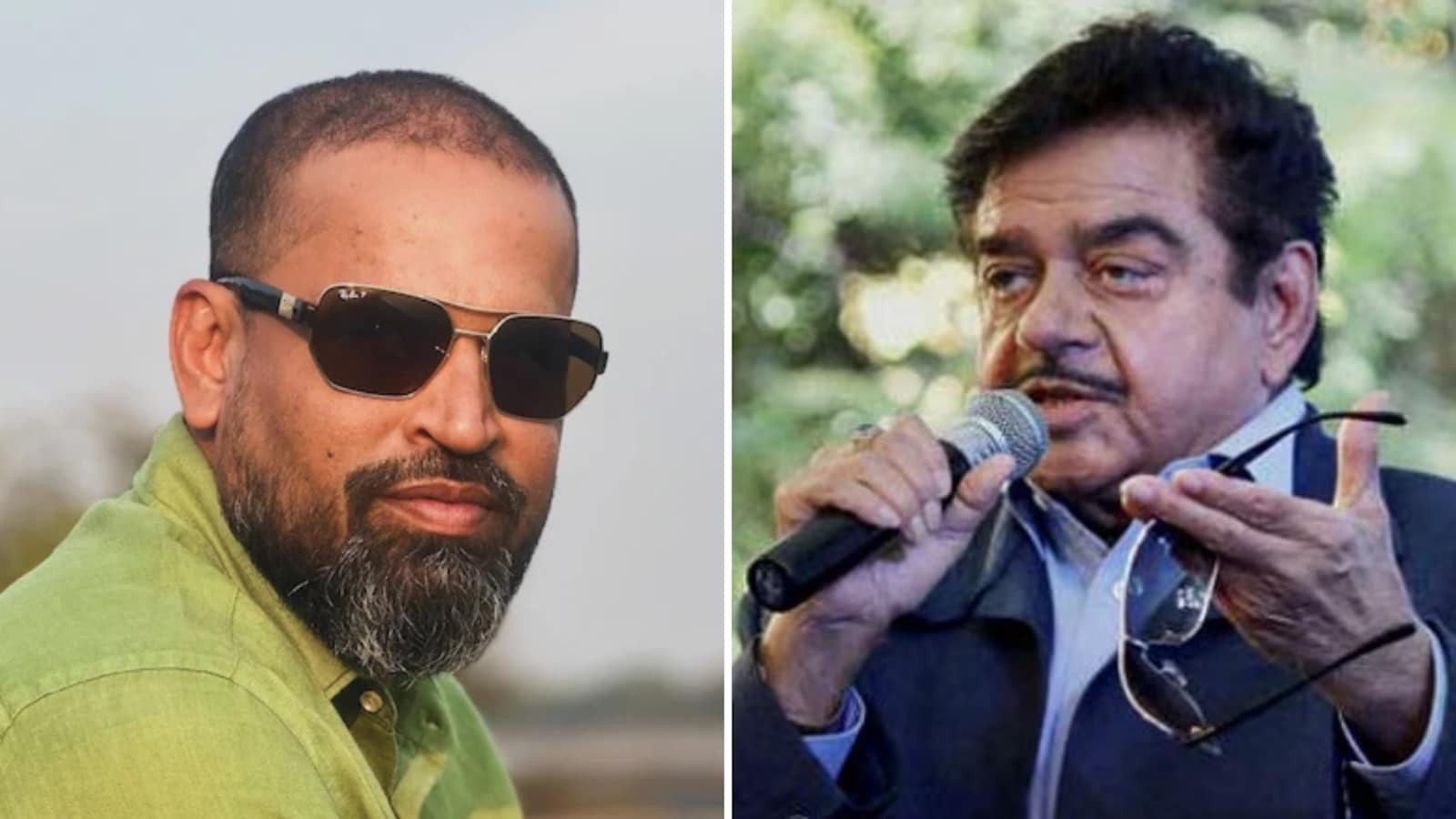
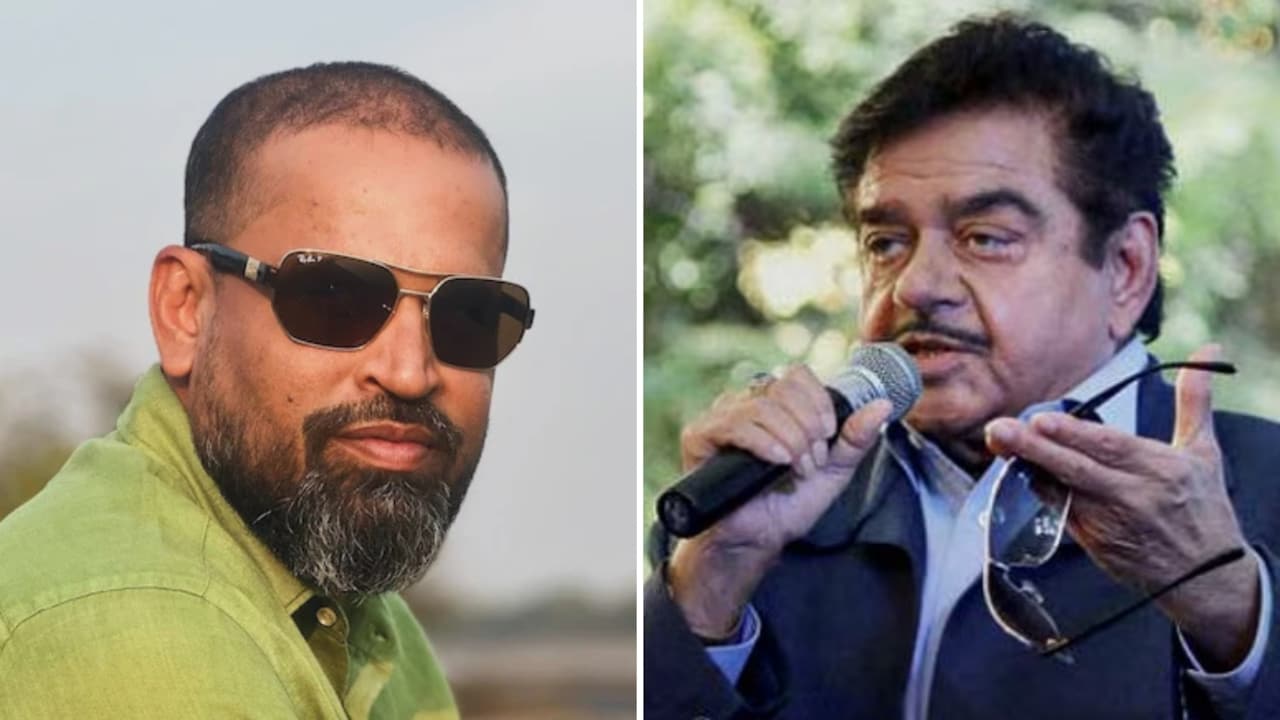
Yusuf Pathan, Shatrughan Sinha, Kakoli Ghosh Dastidar, Saayoni Ghosh are among the 19 Trinamool Lok Sabha MPs who have submitted a letter to Lok Sabha Speaker Om Birla expressing their desire to ally with the BJP-led National Democratic Alliance, sources have told NDTV.
Jagdish Chandra Basunia (Cooch Behar), Khali ur Rehman (Jangipur), Abu Tahir Khan (Murshidabad), Partha Bhoumik (Barrackpore), Bapi Haldar (Mathurapur), Mala Roy (Kolkata South), Mitali Bag (Aarambagh), Deepak Adhikari (Ghatal), Kalipada Soren (Jhalgram), June Malia (Medinipur), Aroop Chakraborty (Bankura), Dr Sharmila Sarkar( Bardhaman east), Asit kumar Mal (Bolpur), Satabadi Roy ( Birbhum), Rachana Bannerjee (Hooghly) are the other names on the list, NDTV has learnt.
The rebels, under the leadership of Kakoli Ghosh Dastidar, have formed a separate parliamentary bloc, pledging support to the NDA, sources said.
Kakoli Ghosh Dastidar was the first sitting Trinamool MP to be given central security cover by the Ministry of Home Affairs right after the Bengal election results, signalling a shift in the Trinamool MP’s political equation with the BJP.
A close aide of Mamata Banerjee, the MP explained that her decision to separate from the Trinamool stems from deep dissatisfaction with the party’s current state of affairs and governance issues in Bengal.
“We are against the lawlessness, misgovernance and unemployment in the state of West Bengal over the past few years. Things have been getting from bad to worse, and I have been with Mamata Banerjee for 40 years… It is useless to say that just because she is not in power in West Bengal, I have left. It is not that…,” she told news agency ANI earlier this week.
The dissident camp’s move appears to be a calculated effort to navigate the legal complexities of the Tenth Schedule of the Constitution.
By securing the support of 19 MPs, the faction appears to have surpassed the two-thirds threshold required under the anti-defection law’s merger provision. Should the group be recognised by parliamentary authorities, they could potentially seek protection from disqualification, effectively formalising their shift toward the NDA.
The anti-defection law requires a faction to have at least two-thirds of the party’s strength to avoid automatic disqualification. With the Trinamool holding 28 seats, the rebels need the support of 19 MPs to make their move legally viable.
The Trinamool’s organisational crisis became public earlier this week when a rebellion that had first fractured its ranks in the Bengal Assembly spread to parliament.
The parliamentary rupture came days after 58 Trinamool MLAs, a figure the rebel camp now claims has climbed to 64, defied the party leadership and backed expelled MLA Ritabrata Banerjee as Leader of the Opposition instead of the party’s official nominee, Sobhandeb Chattopadhyay.
The twin rebellions have plunged Mamata Banerjee’s party into arguably the gravest crisis since its formation in 1998, transforming what began as internal dissent into a battle over legislative strength, parliamentary numbers, organisational control and political legitimacy.
The split has steadily widened from the Assembly to parliament, with senior Rajya Sabha members Sukhendu Sekhar Ray and Sushmita Dev resigning from both the Upper House and the party.



