


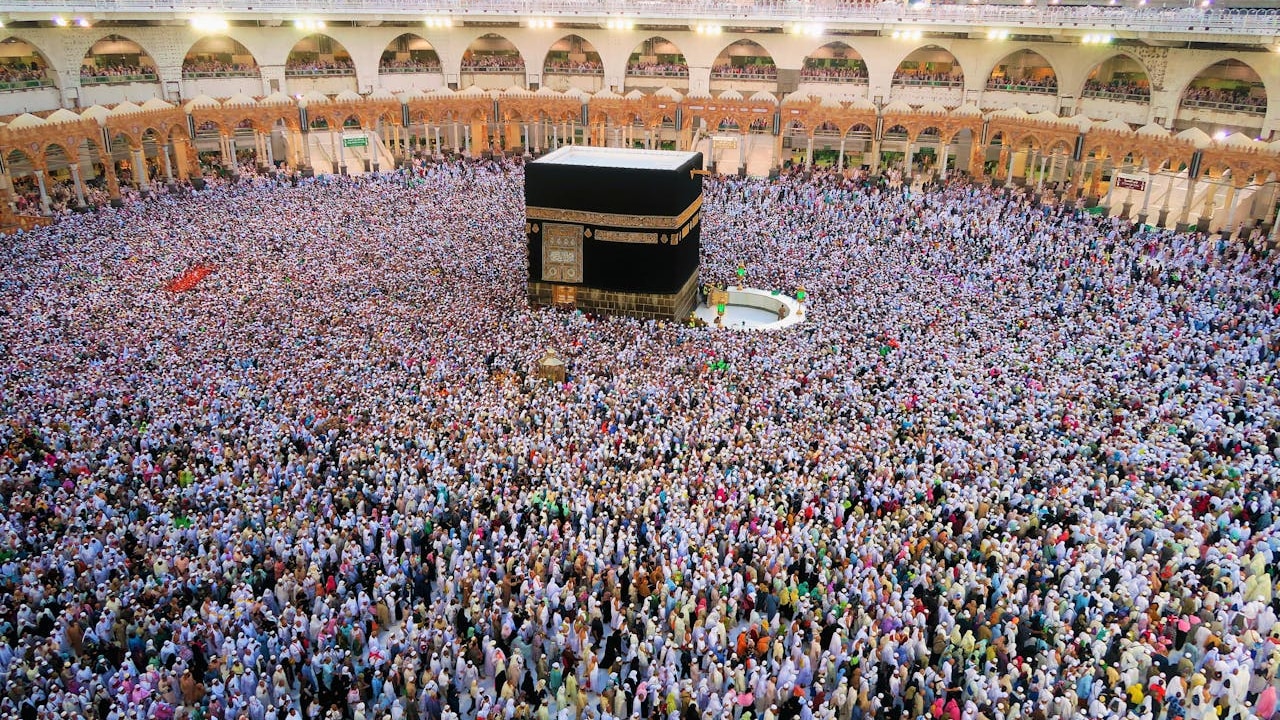
The Saudi Civil Defence on Tuesday issued alerts in several cities of the country’s western coast, including the holy city of Mecca and in the Jeddah and Taif governorates but were quickly lifted. The aerial threat alert has been issued in Mecca for the first time in history.
The unprecedented alert was triggered after the kingdom was repeatedly targeted by the Iran-backed Houthis in recent days.
According to a report by Israeli newspaper Hayom, the air traffic bound for Prince Mohammad bin Abdulaziz International Airport (MED) in Medina was also halted. The report stated that earlier, the Saudi-backed internationally recognised Yemeni government and Saudi forces struck targets near the city of Taiz in Yemen.
A warning has been issued by the National Early Warning Platform in Mecca City to alert of a potential danger. Please follow the instructions below: pic.twitter.com/IwvWhhKMan
— الدفاع المدني السعودي (@SaudiDCD) September 15, 2026
The alerts were issued a day after the Houthis wounded 13 people in the kingdom in an assault using ballistic missiles and drones from Yemen.
The Directorate of Saudi Civil Defence in a post on X said, “Alert: The danger has passed in Mecca City. For your safety, continue following #CivilDefense instructions and avoid gathering and filming. In case of emergency, call (911).”
Alert: The danger has passed in Mecca City. For your safety, continue following #CivilDefense instructions and avoid gathering and filming. In case of emergency, call (911). pic.twitter.com/bjRMKf7vr6
— الدفاع المدني السعودي (@SaudiDCD) September 15, 2026
The Saudi civil defence had earlier issued short-lived air-raid alerts in six regions.
The Houthis carried out their heaviest missile and drone attack in years this week against Saudi Arabia, setting oil sites ablaze and wounding 73.
On Monday, a Houthi strike in Western Yemen killed eight government soldiers according to two military sources. The group also claimed a new large-scale attack using “dozens of ballistic missiles and drones” against King Khalid airbase in Khamis Mushait, in southern Saudi Arabia.
The Houthis have been engaged in fighting with Saudi-backed government forces since Yemen’s civil war reignited in July, when the group declared a maritime blockade on Riyadh and began targeting its ships in the Red Sea.
Fighting between the Houthis and Saudi-backed government forces flared up again in July, following the group’s declaration of a naval blockade against Riyadh and subsequent attacks on its shipping vessels in the Red Sea.
Hazem al-Assad from the Houthis’ politburo said the “Yemeni response will continue and escalate as long as they (Saudi Arabia) persist in their aggression against our people”.
On Tuesday, Qatar warned of dire consequences if Bab al-Mandab was closed.
Foreign ministry official Ibrahim Al Hashmi said shutting the strait would be “catastrophic for the entire world”.
Meanwhile, US President Donald Trump has rejected a request from the Saudi crown prince to intervene in the war. He claimed that on Saturday the Houthis had called Washington and asked the US to not get involved.
Now, the lightning advances of the Iran-backed Houthi rebels threatening a crucial Red Sea route has forced the Kingdom’s leadership to assess its dwindling options on how to respond.
(With inputs from agencies)


