


The International Cricket Council (ICC) has taken a significant step toward redefining the career pathways of women cricketers with the launch of its Return to Play Post-Pregnancy Guidelines. The initiative provides a structured framework for players, Member Boards, medical teams and coaches to support athletes returning to elite cricket after pregnancy.
At its core, the guidelines are built around a simple but powerful message: motherhood and cricket are not mutually exclusive. With women’s cricket becoming increasingly professional and players extending their careers, the ICC has recognised the need for a consistent, science-backed approach that balances performance with player welfare.
The guidelines also empower Member Boards to develop their own pregnancy and return-to-play policies, aligned with local laws and labour regulations. Importantly, they emphasise that pregnancy decisions remain entirely with the player, with no mandate for pregnancy testing from cricket boards.
THE 6 RS FRAMEWORK
A central feature of the guidelines is the 6 Rs framework: Ready, Review, Restore, Recondition, Return and Refine, which maps a gradual and structured pathway back to cricket.
The process begins with Ready, focusing on early recovery in the first 0–6 weeks post-birth, including gentle movement, pelvic floor activation and psychological support. This is followed by Review at 6-8 weeks, where medical and performance specialists assess recovery through obstetric, physiotherapy, psychological and nutritional evaluations.
From there, players move into Restore (8-16 weeks), which introduces structured conditioning such as gradual return-to-run programmes and strength training. The Recondition (12–16+ weeks) phase focuses on rebuilding sport-specific loads and reducing injury risk after time away from training.
Finally, Return and Refine mark the transition back into competitive cricket and ongoing monitoring. The ICC also highlights the importance of long-term support systems, including workload management, pelvic health monitoring and energy availability, especially for breastfeeding athletes.
The framework draws on sports medicine research and postpartum rehabilitation models, aiming to ensure that return-to-play decisions are safe, individualised and evidence-based.
SUPPORTING MOTHERS BEYOND THE BOUNDARY
Beyond physical rehabilitation, the ICC guidelines place strong emphasis on practical and emotional support systems. These include flexible training environments, access to childcare, breastfeeding facilities, and the option for caregivers to travel with players during tours.
The document also encourages Member Boards to consider alternative roles within cricket organisations for players temporarily unable to compete, such as coaching or analysis roles, along with contractual extensions during pregnancy and recovery periods.
A key focus is ensuring that players are not isolated during this phase of life. Regular case-managed meetings are recommended throughout pregnancy and postpartum recovery, ensuring coordinated input from medical, coaching and wellbeing staff.
As more women continue to pursue long-term cricket careers while starting families, the ICC’s framework signals a shift in elite sport culture, one that acknowledges both ambition and motherhood. In doing so, it sets a precedent for a more inclusive, supportive and sustainable future for women’s cricket worldwide.
WHO ARE THE MOTHERS IN CRICKET?
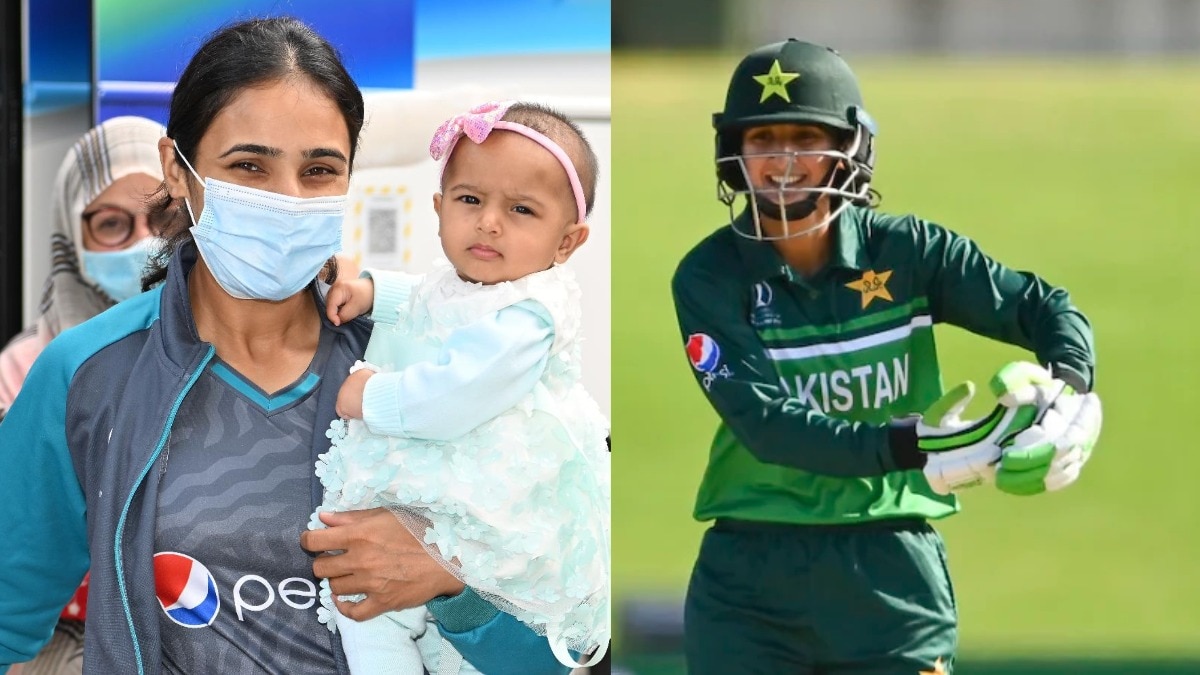
Several women cricketers have shown that motherhood and elite sport can coexist, returning to international and domestic cricket after childbirth. Bismah Maroof of Pakistan returned in 2022 after maternity leave and even captained at the Women’s World Cup.
Amy Satterthwaite of New Zealand returned in 2020 after giving birth and has spoken about inspiring other mothers. Australia’s Sarah Elliott continued playing at the highest level after becoming a mother, famously scoring an Ashes century. Enid Bakewell of England was among the earliest examples, debuting internationally after motherhood.
Afy Fletcher of West Indies returned after maternity break and became known for her wicket celebrations dedicated to her son. Sneha Deepthi of India returned to domestic cricket after childbirth and aimed for a strong international comeback.
Maryam Omar of Kuwait also made a quick return to international cricket after becoming a mother. Their journeys continue to inspire women athletes worldwide today greatly.
– Ends



