


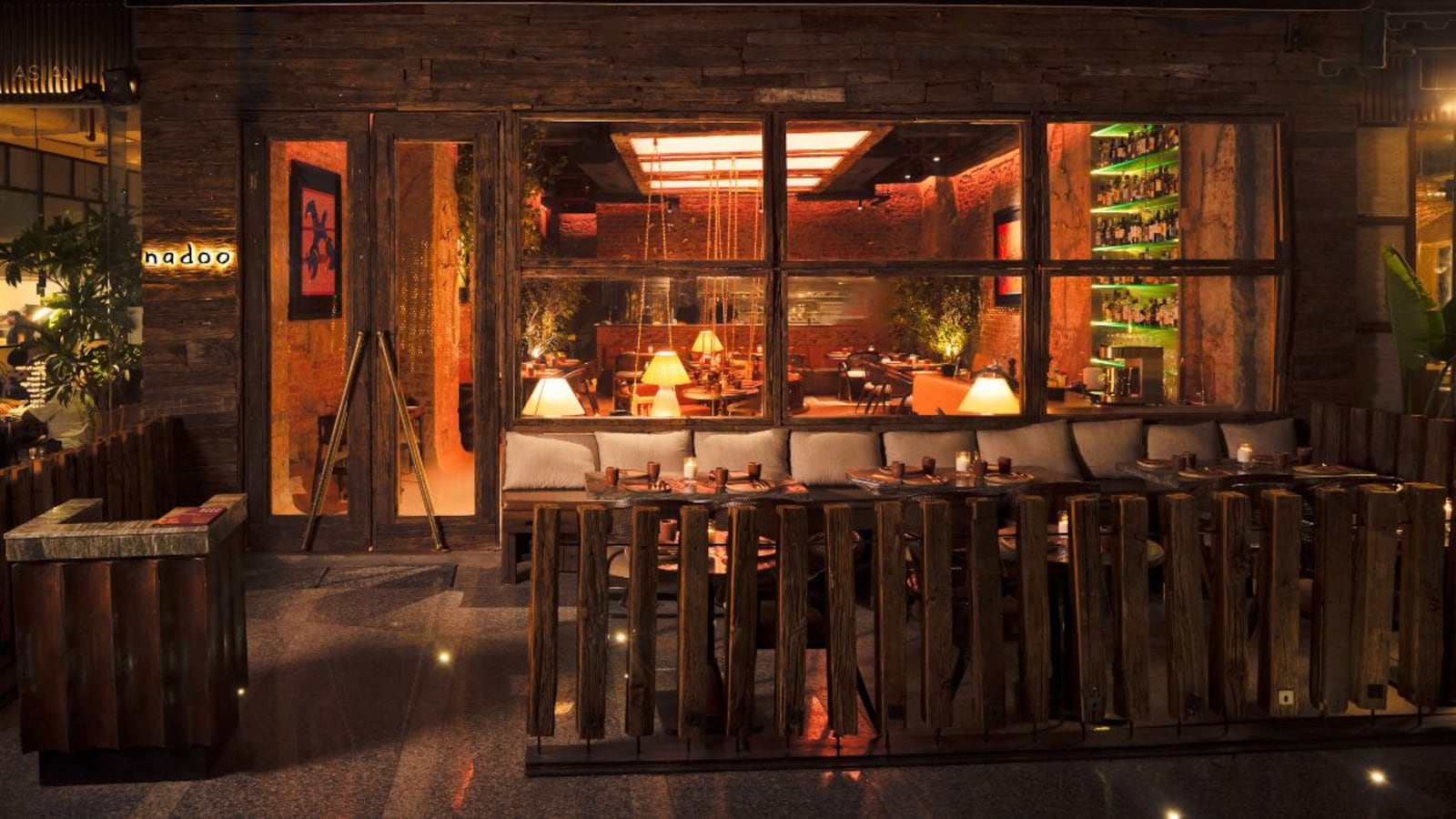
I hadn’t expected to write about Nadoo again so soon.
A few weeks ago, I had walked into Nadoo’s first outpost in Delhi’s GK 3 and left impressed. Not because it was serving South Indian food (Delhi already has plenty of places that do that) but because it reminded me how casually we reduce an entire region’s culinary identity to a handful of familiar dishes.
Nadoo felt different. It spoke about South India with more depth, more confidence and, most importantly, more understanding.
So when I heard the restaurant was opening a second outpost in Gurugram, I was curious. Also slightly cautious. The restaurant business is full of successful first chapters and forgettable sequels.
On a Monday evening I visited, Gurugram was in full weekday mode. Cars crawled through traffic. People were glued to calls. Construction cranes punctuated the skyline. By the time I reached The Kitchens, I was carrying the kind of mild weekday fatigue most city dwellers know too well.
And then I stepped inside Nadoo.
The city seemed to disappear. Not completely, of course. This is still Gurugram. But the pace changed.
A Space That Slows You Down
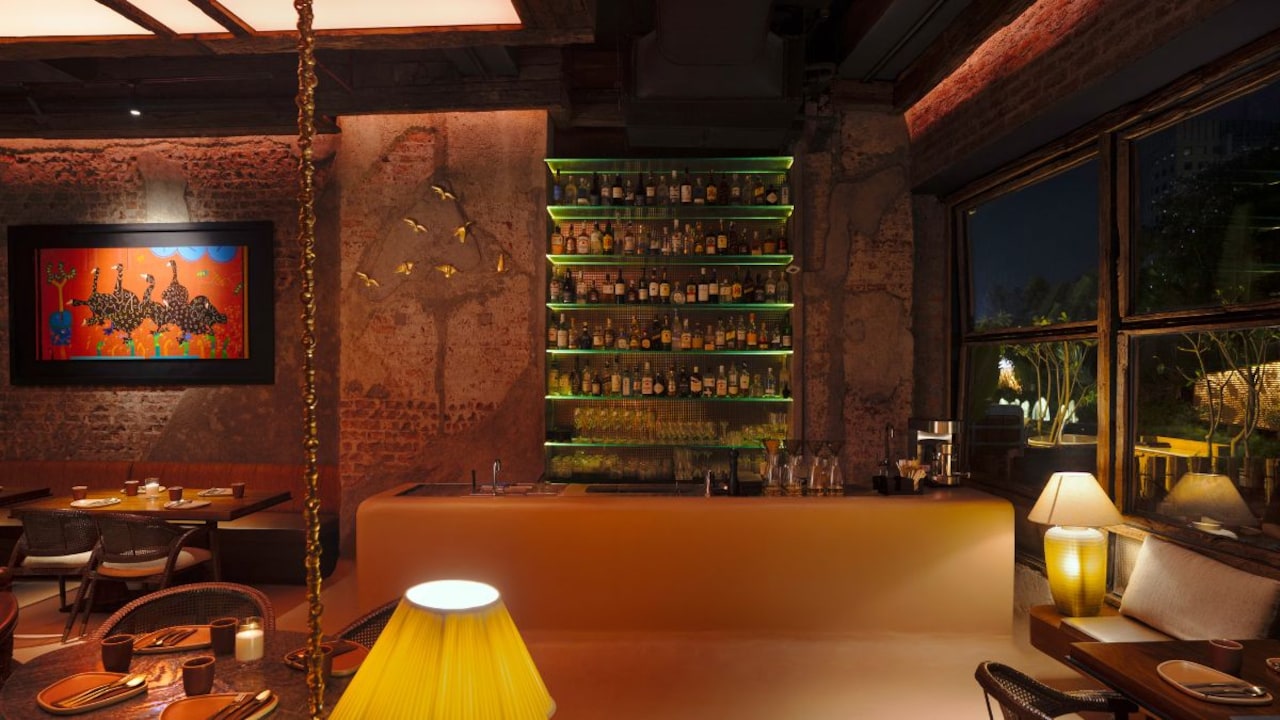
The first thing I noticed was how unhurried the space felt.
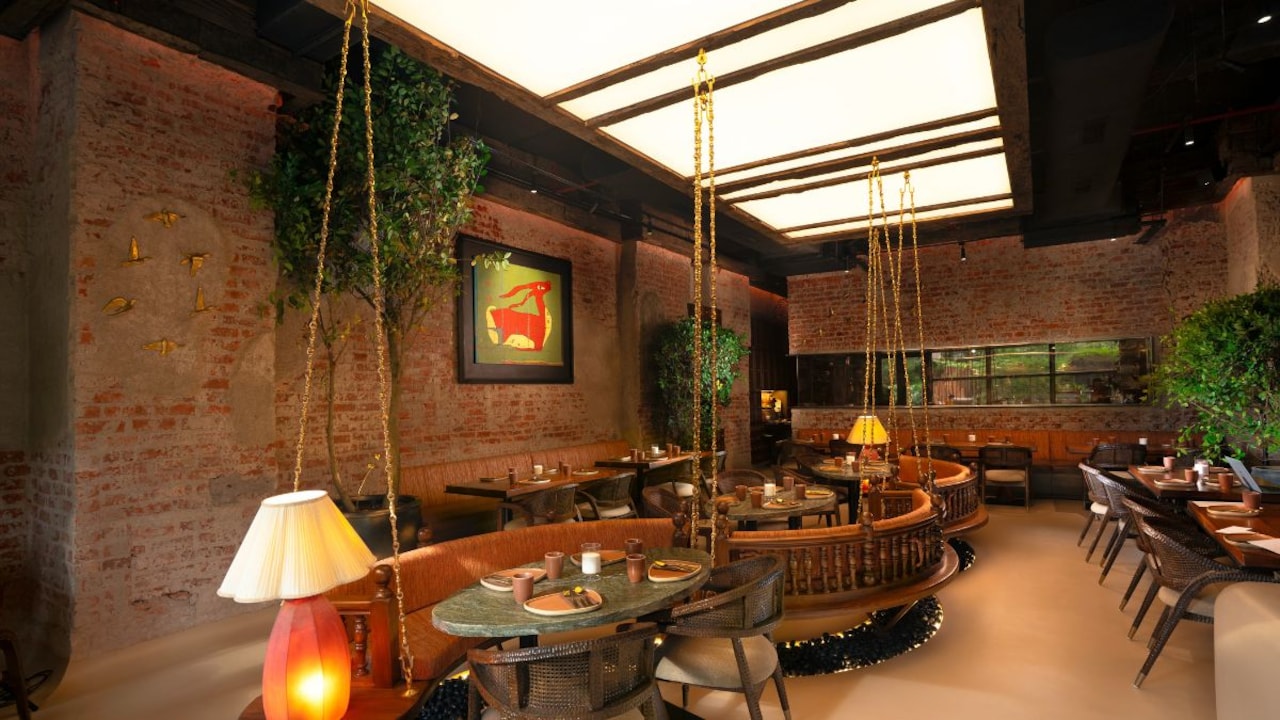
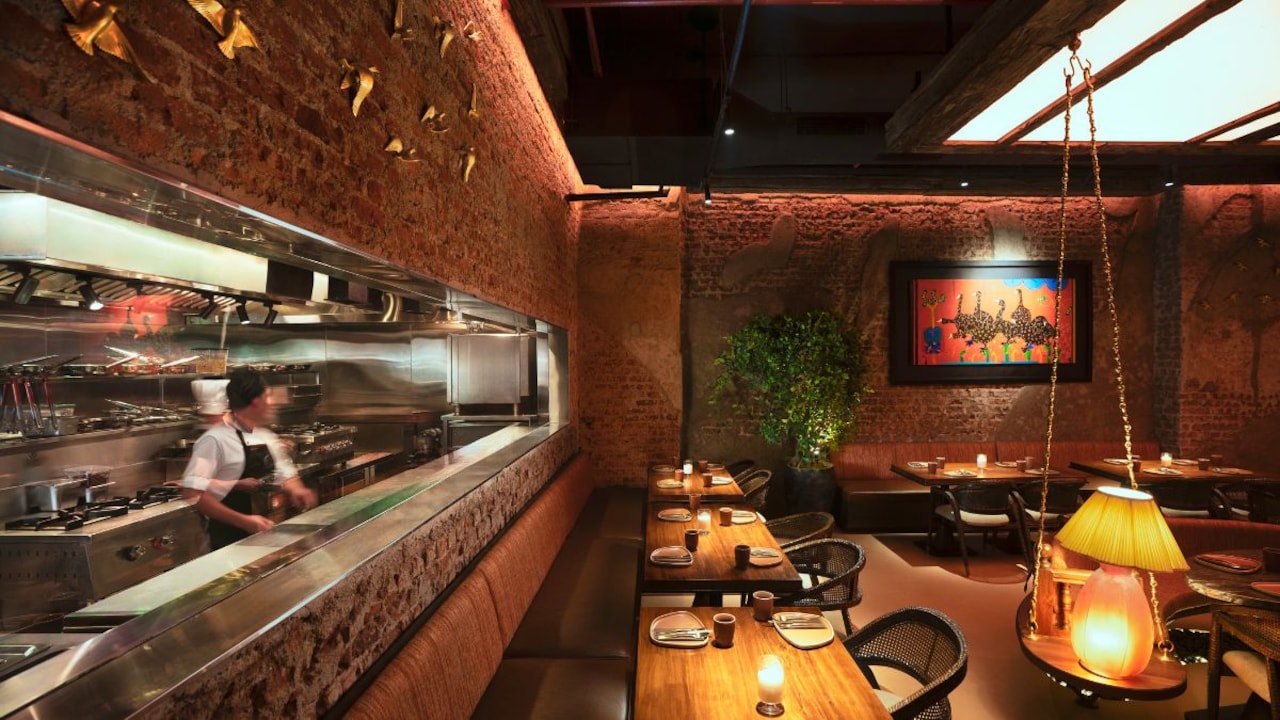
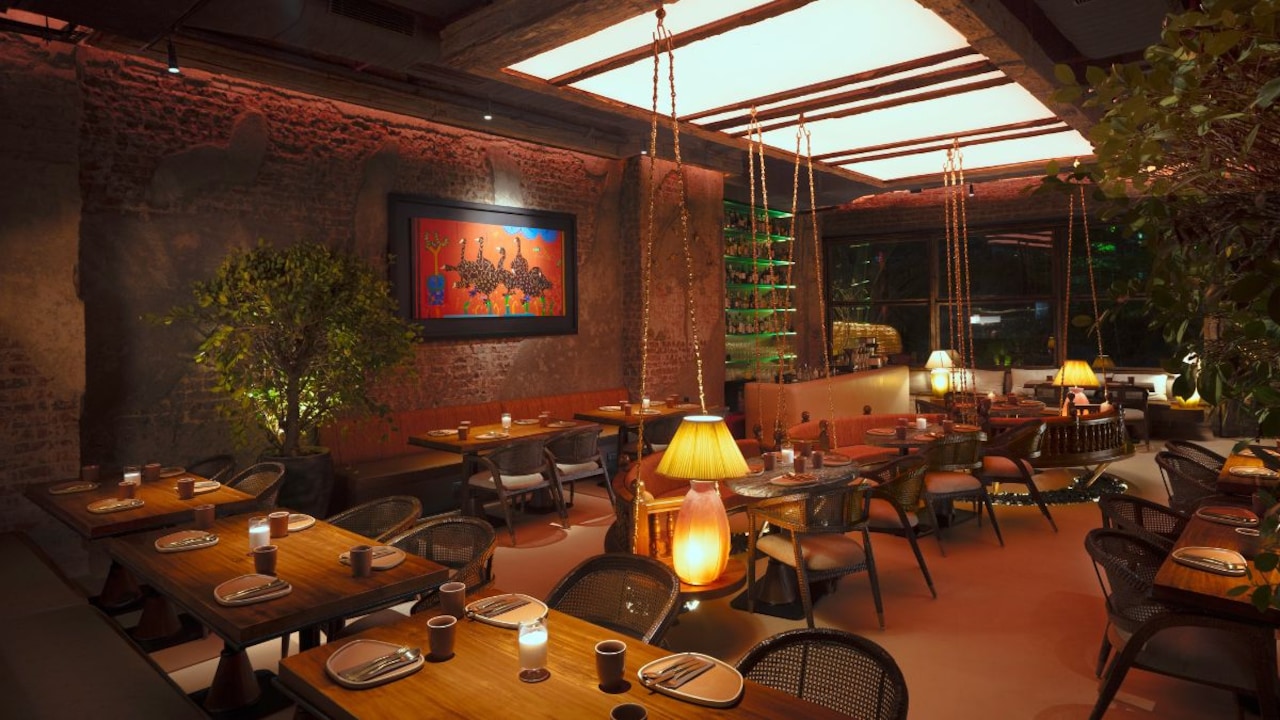
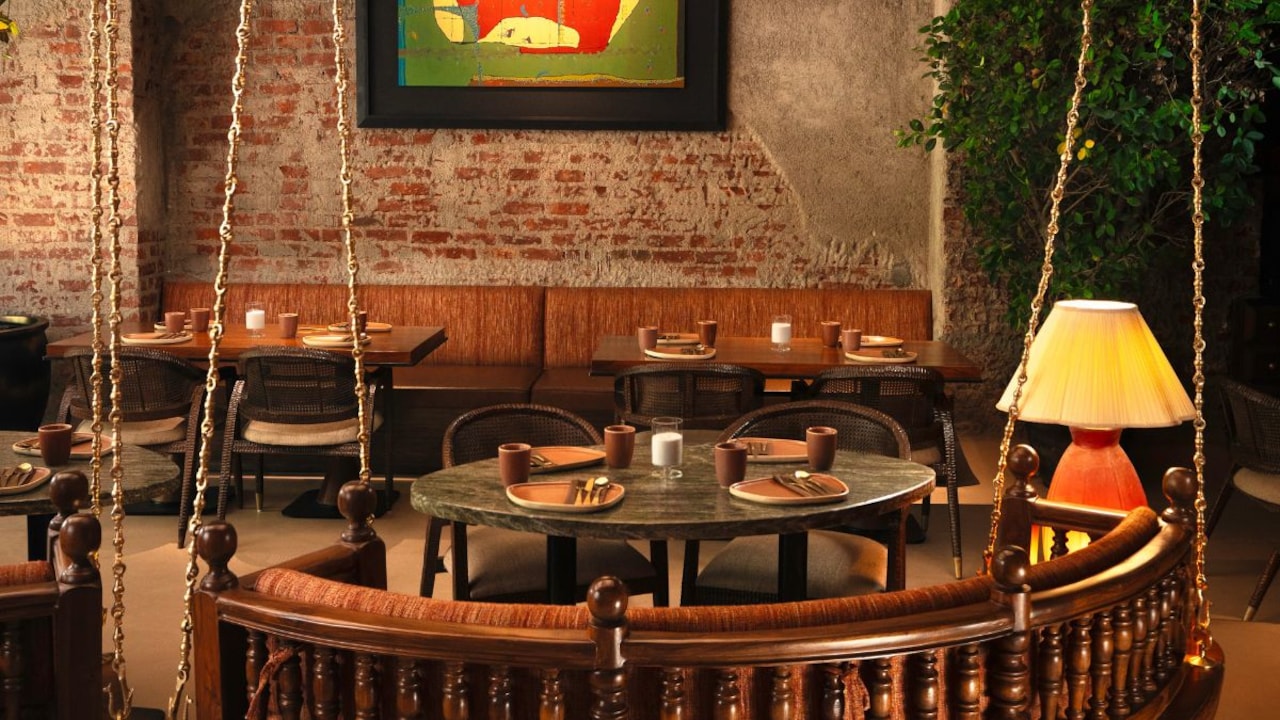
Unlike the darker, moodier aesthetic of the Delhi restaurant, the Gurugram outpost feels brighter and more residential. Inspired by restaurateur Sahil Sambhi’s Bengaluru home, the restaurant borrows from the warmth of contemporary South Indian architecture. Exposed brick walls, skylights that allow natural light to spill indoors, a central courtyard-like layout and a brass swing create an atmosphere that feels surprisingly intimate for a restaurant of this scale.
For a moment, it felt less like walking into a restaurant and more like arriving at somebody’s home for lunch. That feeling turns out to be central to Nadoo’s story.
The Story Behind Nadoo
The restaurant was conceived by Chef Shri Bala and restaurateur Sahil Sambhi, but its emotional foundation runs much deeper. For Bala, it is an opportunity to showcase the culinary breadth of Southern India, drawing from years of research, travel and documentation. For Sambhi, it is also a tribute to his late Tamilian mother, whose food and hospitality continue to shape the spirit of the restaurant.
You can feel that sense of personal history throughout the meal. The menu travels across Tamil Nadu, Kerala, Karnataka, Andhra Pradesh and Telangana, treating each region with the respect it deserves rather than folding them into one generic category called “South Indian food”.
And that’s what I appreciate most about Nadoo. It doesn’t try to educate you. It simply invites you to explore.
Food That Speaks For Itself
The meal began with a few dishes that immediately set the tone. The ghee roasts were everything they should be—bold, aromatic and unapologetically rich. The flavours felt layered rather than loud. Elsewhere, dishes like the Tangy Brinjal Curry with Dibba Roti and the Shivaji Nagar Military Donne Biryani reflected the kind of regional specificity that Delhi and Gurugram diners rarely encounter in mainstream restaurant menus.
The Russel Market Raan, one of the restaurant’s signatures, carried the sort of slow-cooked depth that rewards patience. It wasn’t trying to impress through theatrics. It simply arrived at the table carrying the confidence of a dish that knows exactly what it is.
And perhaps that’s the best way to describe Nadoo as a whole. Confident. Not flashy. Not eager to chase trends. Just comfortable in its own identity.
The menu also includes thoughtful references to Southern India’s bakery culture, reviving flavours inspired by old bakeries in places such as Mangalore and Trivandrum. It is a detail many diners might overlook, but it reinforces what Nadoo does best: reminding people that Southern Indian food is far more expansive than most of us realise.
The Kaapi Moment
Then came the kaapi.
If you grew up around South Indians, you’ll know that filter coffee is rarely just coffee. It is routine, ritual, comfort and conversation rolled into one. Nadoo understands this instinctively. Its dedicated Kaapi Bar remains one of the restaurant’s most charming features, serving traditional filter coffee brewed using carefully selected blends of peaberry, arabica and robusta beans.
I ordered a cup expecting a pleasant ending to the meal. Instead, I found myself sitting longer than intended. The coffee arrived strong, aromatic and deeply comforting. Around me, conversations continued, plates were cleared, fresh orders arrived and the afternoon slowly drifted into evening.
I wasn’t in a hurry anymore.
As I left, I found myself thinking about something that often gets lost in conversations about restaurants. Good food is important. Beautiful interiors help. But what people remember most is how a place makes them feel.
The best restaurants understand this. Nadoo certainly does.
The Gurugram outpost builds on everything that made Nadoo’s Delhi debut successful, while creating a personality of its own. The food remains thoughtful, the storytelling feels genuine and the space has a warmth that encourages you to stay longer than planned.
In a city that often celebrates the next big thing, Nadoo offers something quieter and far more lasting.



