


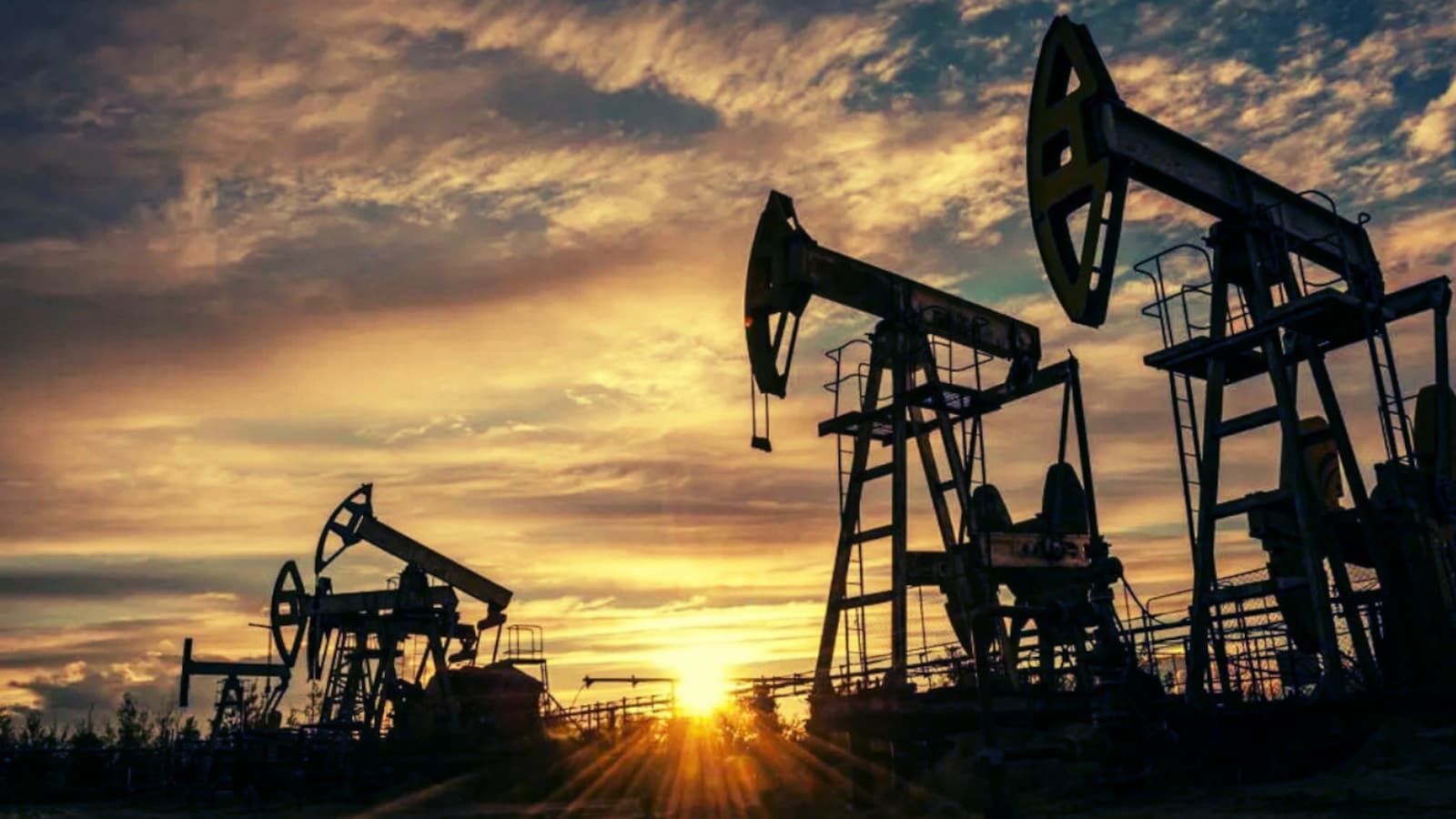
Oil Prices On June 10: Crude oil prices edged higher to trade over $92 per barrel on June 10 after US launched ‘self defence’ strikes against Iran, in retaliation for the downing of a US Army Apache helicopter near the Strait of Hormuz. The slight uptick comes after the Brent crude benchmark dropped 3% to hit a seven-week low on Tuesday after Iran and Israel said they had halted attacks on each other following an appeal from US President Donald Trump.
Brent crude futures last traded 0.9% higher at $92 in early hours on Wednesday after sharply dropping $2.80, or 3.0%, to settle at $91.45 per barrel on June 9. US West Texas Intermediate (WTI) crude slid $3.10, or 3.4%, to settle at $88.20. It was the lowest settlement for the Brent gauge since April 17 and for WTI since May 29. It was also the first time since January that Brent closed below its 100-day moving average of technical support, according to news agency Reuters.
Trump said Iran shot down a US helicopter in the Strait of Hormuz and threatened that Washington would respond. Oil prices bounced off session lows following his remarks. The US strike has further strained a fragile ceasefire and complicating ongoing diplomatic efforts between the two countries. The latest exchange comes at a sensitive moment for negotiations over Iran’s nuclear programme and security arrangements in the Gulf. It also raises fresh concerns about stability around the Strait of Hormuz, one of the world’s most important energy transit routes and strategically critical choke point.
US-Iran locked in fresh military attacks
Trump said Iran shot down a US helicopter in the Strait of Hormuz and threatened that Washington would respond. Oil prices bounced off session lows following his remarks. The US strike has further strained a fragile ceasefire and complicating ongoing diplomatic efforts between the two countries. The latest exchange comes at a sensitive moment for negotiations over Iran’s nuclear programme and security arrangements in the Gulf. It also raises fresh concerns about stability around the Strait of Hormuz, one of the world’s most important energy transit routes and strategically critical choke point.
Iran has so far held back from attacking even though Israel struck the historic port city of Tyre in southern Lebanon, killing eight people. Iran continued to block most shipping through the Strait of Hormuz, which before the war carried a fifth of the world’s crude oil and liquefied natural gas. US has imposed its own blockade of Iranian ports. On Monday, Israel and Iran halted direct attacks on each other after Trump urged them to stop. Iran said it would resume hostilities if Israel attacked the Hezbollah militia in Lebanon.
US Energy Secretary Chris Wright said on Tuesday that ship traffic in the Gulf and oil exports through the Strait of Hormuz are rising even as Washington and Tehran struggle to reach a deal on ending their more than three-month-old war. Elsewhere around the world, China’s May crude imports slumped nearly 29% to hit their lowest level in eight years, extending a sharp decline in the world’s largest oil importer that is still helping to keep a lid on the global crude oil prices.
Global supply, demand estimates
The US Energy Information Administration (EIA) projected the Iran war would slash world petroleum production to an average of 99.0 million barrels per day (bpd) in 2026, down from a record 106.1 million bpd in 2025. EIA also forecast that the world oil demand would slide to 102.9 million bpd in 2026 from a record 104.0 million bpd in 2025. The agency said the countries would pull any barrels they needed from storage, cutting inventories in the Organization for Economic Co-operation and Development (OECD) to their lowest level since at least 2003, when EIA’s dataset began.
Essential Business Intelligence,
Continuous LIVE TV,
Sharp Market Insights,
Practical Personal Finance Advice and
Latest Stories — On NDTV Profit.



