


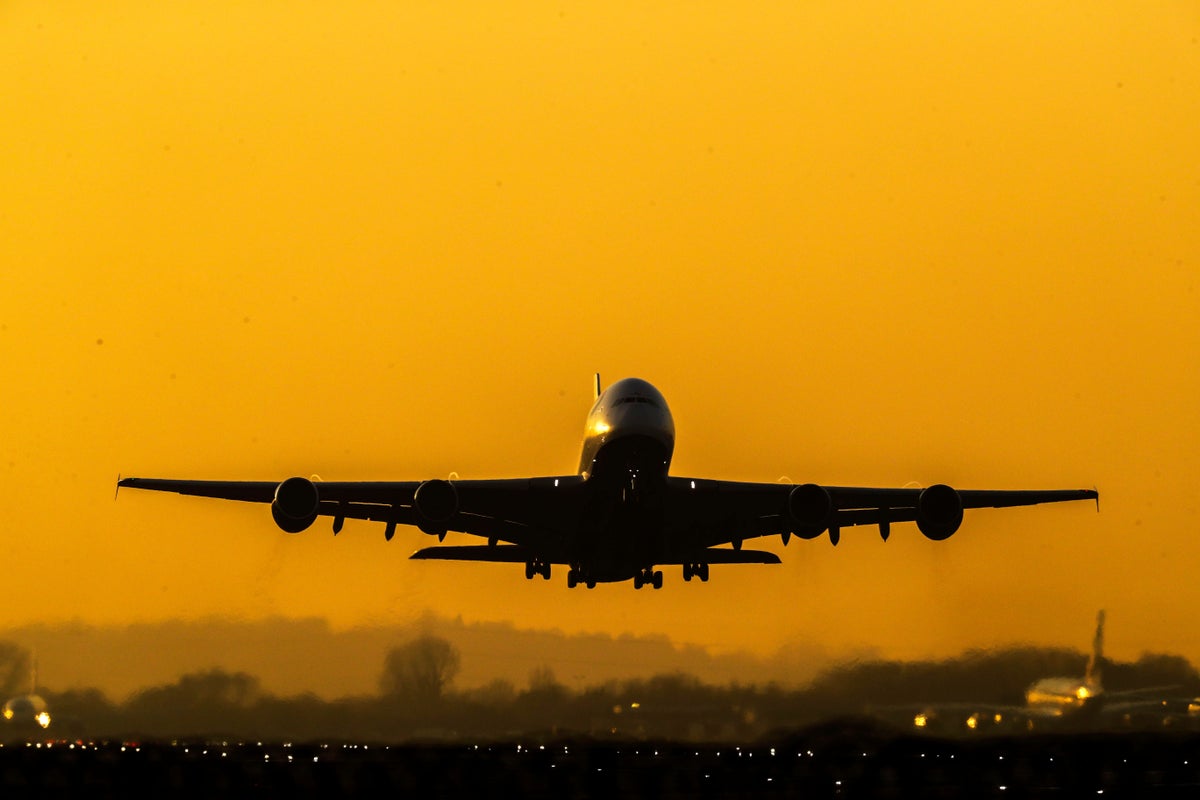
One in five Britons say they cannot afford a summer holiday this year as the cost of living – fuelled by the conflict in the Middle East – continues to rise, a new poll has found.
Nearly a third (30 per cent) of Brits have postponed holidays or travel this year, the polling conducted by YouGov and commissioned by fintech company SumUp shows. A further one in five (19 per cent) say they cannot afford to travel at all.
The results reveal a growing concern about finances, as continued tension in the Middle East affects economies across the globe. The price of oil has soared amid fighting between Iran and the US, with a knock-on effect on the cost of energy, food and jet fuel.
The source of the uncertainty is disruption to the flow of oil in the Strait of Hormuz, located between Iran and Oman, amid Iranian threats on oil tankers following the US’s attack of the country in February. The strait is key waterway for global trade, through which around 20 per cent of the world’s gas and oil is shipped.
Corin Camenisch at SumUp says: “With people’s finances already squeezed, and now international events conspiring to make travelling much more expensive, it is saddening but not surprising to see one in five people in the UK will be unable to travel this year because of costs.
“This isn’t just people having to miss out on their summer holidays – as sad as that is – it’s families and friends missing out on crucial events in the lives of their loved ones. Our networks are more global than they’ve ever been and not being able to be with loved ones on milestones like birthdays and weddings can be heartbreaking.”
Airlines have begun to increase flight cancellations for May as jet fuel prices and fear of shortages rise. There were 296 departures from UK airports cancelled this month, date from analytics firm Cirium recently showed, a figure that rises by the day.
EU energy commissioner Dan Jorgensen recently told Sky News that many people would be hit by the high price and low availability of aviation fuel, saying: “Unfortunately, it’s very likely that many people’s holidays will be affected, either because of flight cancellations or very, very expensive tickets.”
“Even if we do everything we can, if the jet fuel is not there, then it’s not there.”
Earlier this week, US president Donald Trump announced that a peace deal agreement with Iran has been “largely negotiated”, with more details expected soon. Tehran has claimed the strait will reopen and that the US Navy will leave the area within a month, prompting the price of oil to drop to the lowest point since April.
This has boosted hopes that the worst economic impacts of the crisis may be averted, and that flights will be able to resume as normal come the summer months.
However, energy costs are set to hit a two-year high in the UK from July following Ofgem’s announcement of its new energy price cap on Wednesday. The regulator increased the figure by 13 per cent, to £1,862.
The figure sets the maximum amount suppliers can charge for a unit of energy, expressed as the yearly energy bill for an average UK household.
In April, the government announced a “five-point plan” to tackle the cost of living amid pressures from the Iran crisis. These included a £117 reduction to Ofgem’s energy price cap from April and investing in energy security to make Britain less susceptible to market volatility.
Chancellor Rachel Reeves also recently unveiled a new packaged which included cutting VAT to 5 per cent on summer attractions like theme parks and soft play centres and free bus rides for under-16s in England during August.
The Treasury confirmed it was postponing the fuel duty increases due to take effect in September and December.



