


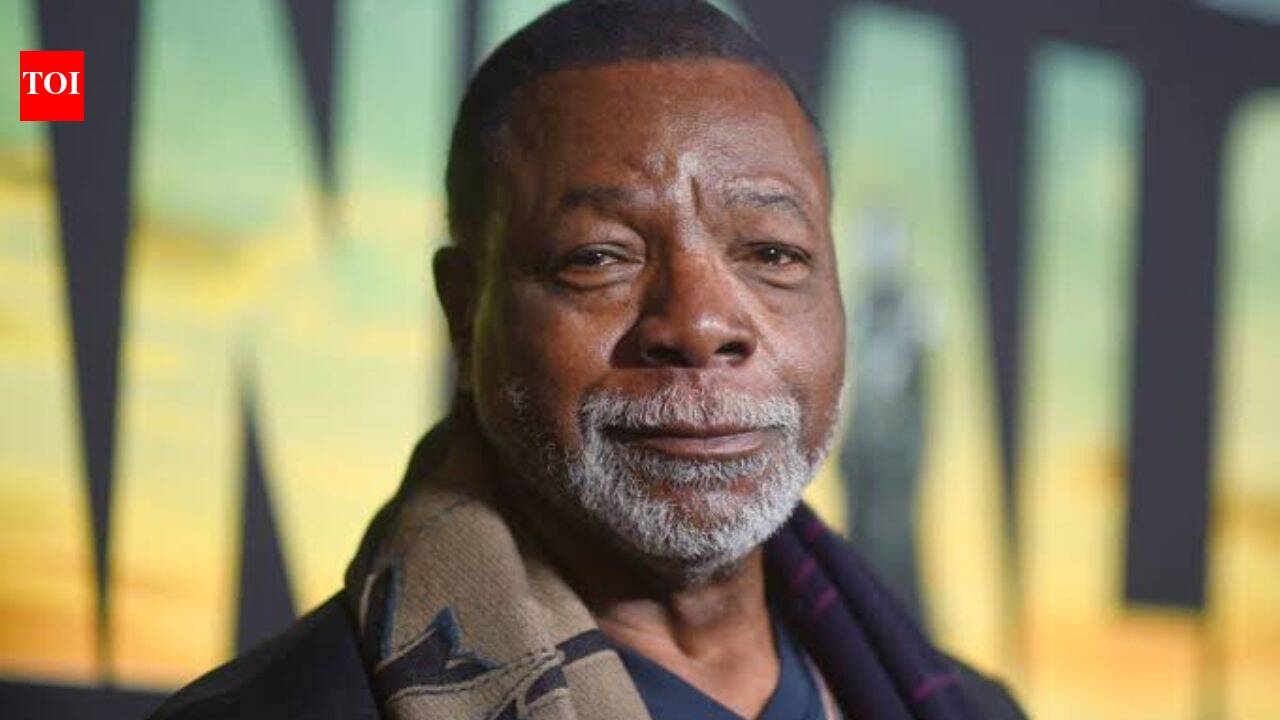
People often get told to pick one path and pour everything into it, whether in sport, education or career. Carl Weathers, later known worldwide for playing Apollo Creed in the Rocky films, described a life that never really worked that way. “I majored in theater at San Diego State,” he said. “My one eye was on football, and my other eye was on Hollywood.” He was pursuing two very different ambitions at once, and honest enough later to admit that split focus came with a real cost, one that ultimately shaped how his entire career actually unfolded.
Quote of the day by Carl Weathers
“I majored in theater at San Diego State. My one eye was on football, and my other eye was on Hollywood”
Where this quote actually comes from, and what it genuinely meant
Weathers said this in a 2007 interview with Sporting News, and the fuller quote reveals something more candid than it first appears. “I’ll give you a completely honest answer. I wasn’t present,” he said. “I was a guy who had a tremendous amount of ability, but my head was always in the world of wanting to be an actor. I majored in theater at San Diego State. My one eye was on football, and my other eye was on Hollywood.” This was not a celebration of successfully juggling two dreams at once. It was Weathers explaining, honestly, why his football career never fully lived up to his actual ability, because part of his attention was always somewhere else.
What the quote still teaches, honestly told
Even framed this way, the quote still carries real value. Weathers is not pretending divided attention comes free of cost. He is showing that a passion pursued alongside something else can still end up mattering more in the long run, even if it means the original path never reaches its full potential. His football career fell short of what his raw ability suggested was possible. His acting career, built on the same drive that had quietly pulled his focus away from football, went on to define the rest of his life.
The real story behind his own path into football
Weathers began his football career at Long Beach City College in 1966 as a freshman defensive end, before an ankle injury during practice cut that stint short. He transferred to San Diego State University, playing defensive end under Don Coryell, a coach later inducted into the College Football Hall of Fame. He went on to a brief professional career, including time with the Oakland Raiders, before turning fully toward acting. Notably, he never actually boxed before playing Apollo Creed. The physique that made him convincing in the role came entirely from his years playing football, not from any boxing training at all.
Why real setbacks can end up redirecting someone toward something better
Not every plan works out the way it was originally intended. Weathers’ own professional football career was genuinely short, and by his own account, not what his ability should have produced. Rather than treating that as pure failure, he simply kept pursuing acting with the same determination, and that redirected path ended up defining the rest of his career far beyond what football alone might have offered.
Why staying versatile still matters, even when it costs something
Modern careers rarely run in a single straight line. People change professions, pick up new skills, and adapt to entirely different industries more often than earlier generations typically did. Being versatile tends to build real resilience, even when, as in Weathers’ own case, it means one particular pursuit never gets the singular focus it might have needed to fully succeed.
Why ambition never really needs to stay narrow
Society often nudges people toward defining themselves through one single role. Weathers’ own life shows that identity can genuinely be broader than that, an athlete and an actor, someone whose background in one field ended up directly shaping his success in a completely different one.
Why this idea reaches well beyond football and Hollywood
Although Weathers was speaking specifically about his own two pursuits, the underlying lesson applies more broadly. A student weighing different career paths. A professional considering an unrelated qualification. Anyone genuinely balancing more than one interest. Divided focus has a real cost, as Weathers himself openly admitted, but it can still lead somewhere worth reaching.
A note on Carl Weathers’ journey
Carl Weathers, who lived from 1948 to 2024, began his career as a college and briefly professional American football player before becoming an acclaimed actor, director and producer. He gained worldwide recognition as Apollo Creed in the Rocky film series, and later appeared in films including Predator and Happy Gilmore, along with television roles in Arrested Development and The Mandalorian. He died on 1 February 2024, at the age of 76.
Other memorable quotes by Carl Weathers
- “My first love was acting. I went to Sidney Poitier films as a kid. I sat in the theater and dreamed of being an actor.”
- “I really try to take care of myself. I really put forth the effort to make a regimen just a part of my life.”
Why this timeless message still resonates
Weathers’ words are a reminder that people do not always have to choose cleanly between competing passions, even though pursuing more than one rarely comes without genuine cost. Skills built in one pursuit can end up becoming the actual foundation for success somewhere else entirely. His own honesty about not being fully present in his football career, paired with where that same divided attention eventually led him, is really the whole lesson in miniature. Life rarely follows a single script, and sometimes the path that looks like a distraction turns out to be exactly where the real opportunity was waiting.



