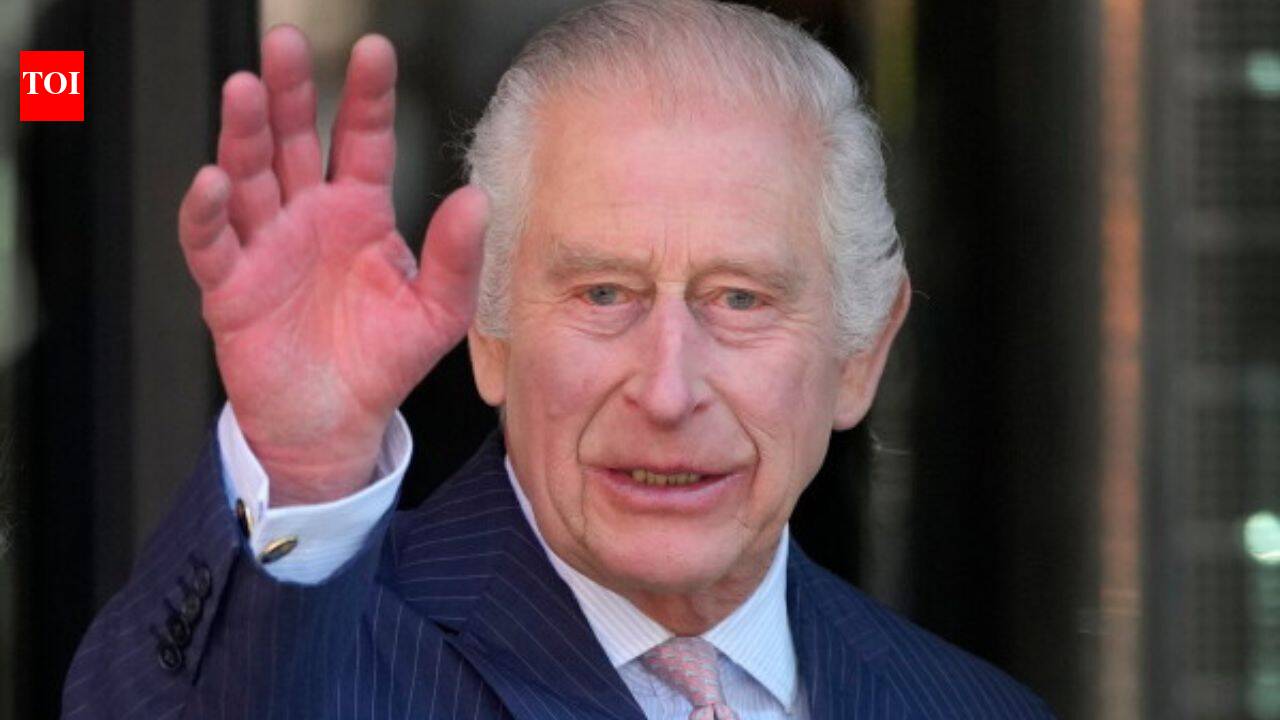
Few words spoken at a moment of personal loss carry the weight of an entire lifetime. When Queen Elizabeth II died on 8 September 2022, her eldest son, King Charles III, addressed the nation the following day, speaking as both a new monarch and a grieving son at the same time. Recorded in the Blue Drawing Room at Buckingham Palace, with a framed portrait of his mother resting on the desk beside him, his tribute combined personal affection, real gratitude and a recognition of her extraordinary decades of public service. It became one of the most widely remembered moments of that entire period, quoted on front pages across the country the following morning.
Quote of the day by King Charles
“To my darling Mama, as you begin your last great journey to join my dear late Papa, I want simply to say this: Thank you. Thank you for your love and devotion to our family and to the family of nations you have served so diligently all these years. May flights of angels sing thee to thy rest”
What is the meaning of King Charles’ quote
At its heart, the message is about gratitude, love and farewell. Charles begins by describing his mother’s death as a “last great journey,” a gentle way of naming the end of a life, before referring directly to her reunion with her late husband, Prince Philip, who had died in April 2021. Rather than dwelling on the enormous constitutional change actually taking place, Charles places his mother’s role firmly within a family context first. He thanks her for the love and devotion she gave to her family, before widening that same gratitude to the people and nations she served. The simplicity of the words “thank you,” repeated before he expands on what he is actually grateful for, turns the tribute into an expression of appreciation for an entire lifetime of service.
Why King Charles thanked Queen Elizabeth II
Queen Elizabeth II became monarch in 1952 and remained on the throne for more than seven decades, making her the longest-reigning monarch in British history. Across that period, she served under fifteen British prime ministers and witnessed enormous political, social and technological change. For Charles, though, her significance was never limited to her constitutional role alone. She was also, simply, his mother. His tribute moves between these two identities throughout, recognising her commitment to the “family of nations” she served while speaking about her in the deeply personal language of a son saying goodbye to his parent.
The personal meaning behind “my darling Mama”
The phrase “my darling Mama” gave the speech a genuinely intimate quality that stood apart from the formal language normally associated with royal addresses. Charles was speaking to a global audience, and yet the words themselves were directed towards one single person. Calling his mother “Mama” reflected the private family relationship sitting behind the public institution. Elizabeth II had been Queen to millions of people, but to her son she remained, simply, his mother. That contrast is really what gave the tribute its personal weight rather than letting it feel purely ceremonial.
What “the family of nations” actually means
Charles’ reference to the “family of nations” reflects Queen Elizabeth II’s role across the Commonwealth, a voluntary association of independent countries, many with historical connections to the British Empire, of which she served as Head throughout her entire reign. Her role involved maintaining relationships with leaders and people across every member country, while representing a genuine continuity through decades of political change. Describing these countries as a “family of nations” highlighted exactly the relationships his mother had worked to maintain across the whole of her reign.
Why Charles’ farewell centred on service
A central theme running through Queen Elizabeth II’s public life was duty. In her 1952 accession broadcast, she pledged her life to the service of the people of the United Kingdom and the Commonwealth. Seven decades later, Charles’ farewell returned directly to that same idea. Describing her as having served “so diligently all these years” recognised both the length and the sheer consistency of that commitment. It also reflected the unusual nature of her reign specifically, since she continued carrying out official duties well into her nineties, including appointing Liz Truss as prime minister only two days before her death.
The Shakespeare reference at the end of the speech
Charles closed his tribute with the words “May flights of angels sing thee to thy rest.” The line comes from William Shakespeare’s Hamlet, Act 5, Scene 2, spoken by Horatio as he mourns his friend at the play’s close, “Now cracks a noble heart. Good night, sweet prince, and flights of angels sing thee to thy rest.” The reference gave Charles’ speech a genuinely literary and solemn conclusion, connecting his personal farewell to one of the most recognisable expressions of grief in English literature, and its suggestion of a peaceful passage into rest made it particularly fitting for a speech delivered the day after losing a parent.
How the quote reflects the relationship between duty and family
One of the most powerful aspects of Charles’ tribute is how it brings together two sides of Queen Elizabeth II’s life at once, a mother within her own family, and a monarch with responsibilities reaching far beyond it. Charles’ words acknowledge both directly, first thanking her for her “love and devotion to our family,” then expanding that same gratitude outward to the people and nations she served. In the same speech, he also announced that Prince William and Catherine would become the new Prince and Princess of Wales, and expressed his love for Harry and Meghan “as they continue to build their lives overseas,” a reminder that even a historic constitutional address remained, underneath it, a message about family.
How to apply the message in daily life
The circumstances behind this quote are genuinely unique, but its central message of gratitude applies just as well to ordinary relationships. Say thank you while you still can, since the people who matter most should never have to wait for a farewell to hear how much they are actually appreciated. Recognise quiet, unglamorous forms of service, since care and responsibility are often given without much recognition at all. Value family relationships alongside professional achievement, and remember that simple words of love and appreciation tend to become more meaningful, not less, with time.
Some other memorable quotes by King Charles
- “I am a dangerous person because I mind about things.”
- “It is important to be able to stand back and see the bigger picture.”
- “The environment is something that is very close to my heart.”
- “I think we have to be very careful about what we do to the natural world.”
Why King Charles’ farewell remains memorableCharles’ first address as King carried an unavoidable constitutional significance, and yet its most memorable passage was deeply personal. He was not simply acknowledging the end of a historic reign. He was saying goodbye to the woman who had been his mother for more than seven decades. The repeated “thank you” captures the central emotion of the entire tribute. After a lifetime defined by public duty, Charles chose to close his first address as monarch with something considerably more private, a reminder that behind every title and institution sits an ordinary human relationship. A queen can be a constitutional figure to an entire nation while remaining, simply, “Mama” to her own son.