


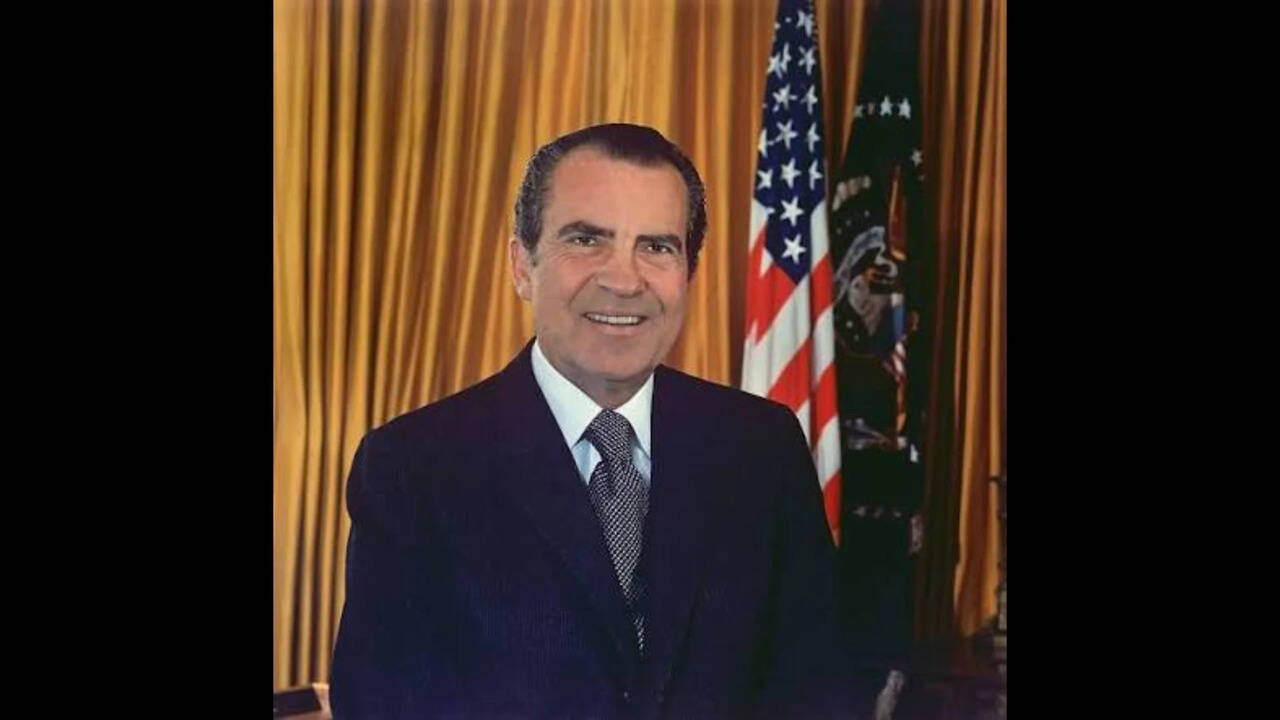
On August 8, 1974, Richard Nixon, the 37th US president, announced his resignation, triggered by several scandals. The next day, Nixon delivered his farewell speech to his staff. It was a long speech in which he addressed the controversies that mired his presidency (1969 to 1974). But the most memorable words spoken by the president that day were not political but life advice. “Always give your best, never get discouraged, never be petty; always remember, others may hate you, but those who hate you don’t win unless you hate them, and then you destroy yourself.”The words carry an irony that has fascinated historians for decades. Few American presidents experienced as much public hostility as Nixon, and few allowed resentment to shape their decisions as profoundly. The quote reflects both a timeless truth about human nature and an insight born from Nixon’s own turbulent political life.Richard Nixon entered the White House in 1969 after one of the most remarkable political comebacks in American history. Eight years earlier, he had lost the presidency to John F Kennedy in one of the closest elections in US history. Two years later, he failed to win the governorship of California and famously told reporters, “You won’t have Nixon to kick around anymore.” Many believed his career was over. Yet he rebuilt his reputation, appealed to what he called the “silent majority,” and won the presidency. Having endured repeated defeats, Nixon understood better than most politicians what it meant to be disliked, criticized, and underestimated.His presidency was marked by achievements that fundamentally reshaped American foreign policy. Nixon opened diplomatic relations with China after more than two decades of isolation, making his historic 1972 visit to Beijing one of the defining moments of the Cold War. He also pursued détente with the Soviet Union, signing landmark arms-control agreements while reducing tensions between the world’s two nuclear superpowers. At home, his administration established the Environmental Protection Agency, signed important environmental legislation, and oversaw major reforms in occupational safety and healthcare funding. Even many critics acknowledge that Nixon’s record as a policymaker was substantial.
Haters Nixon had
Yet Nixon never escaped a deep sense that powerful enemies surrounded him. He often believed the media treated him unfairly, that political opponents were determined to destroy him, and that elites looked down upon him. Some of these grievances were not entirely imaginary—Nixon was indeed one of the most polarizing figures in American politics—but over time they hardened into suspicion and defensiveness. The distinction between recognizing opposition and becoming consumed by it gradually disappeared.That is where this quote acquires its greatest significance. Nixon suggested that hatred itself is powerless unless it infects the person being targeted. An opponent’s hostility cannot truly defeat you on its own. The greater danger is allowing that hostility to become your own emotional state. Once hatred takes hold, it clouds judgment, narrows perspective, and encourages decisions driven by fear rather than principle.
Watergate scandal
Nixon’s own presidency became a textbook example of this warning. The Watergate scandal did not begin because Nixon lacked political success. By 1972, he was immensely popular and headed toward a landslide re-election victory. Instead, the scandal grew out of an obsession with perceived enemies and an overwhelming desire to protect political power. Members of his administration orchestrated the break-in at Democratic National Committee headquarters, and the subsequent cover-up became far more damaging than the original crime. Nixon’s secret tape recordings eventually revealed conversations that demonstrated an effort to obstruct justice, leading to the collapse of public trust.Historians often argue that Watergate was less a story of political necessity than of psychological insecurity. Nixon had already achieved enormous success, yet he remained convinced that enemies threatened his presidency from every direction. Instead of trusting democratic institutions or his own electoral strength, he allowed suspicion to dictate his actions. In that sense, the quote becomes almost autobiographical. Nixon was not destroyed because critics hated him; every president has critics. He was destroyed because fear, resentment, and distrust influenced decisions that should never have been made.The final months of Nixon’s presidency underscore this tragic irony. As investigations intensified and evidence mounted, support within his own Republican Party evaporated. Facing almost certain impeachment and conviction, Nixon resigned on August 8, 1974, the only US president ever to do so. His resignation speech reflected disappointment but also an awareness that his presidency had become unsustainable. The remarkable foreign-policy successes that had once defined his administration were overshadowed by Watergate, illustrating how a single failure rooted in mistrust could eclipse years of accomplishment.
Greatest threat is…
Beyond politics, the quote speaks to a universal human experience. Everyone encounters criticism, jealousy, unfair treatment, or outright hostility. Nixon reminds us that these external forces are not the greatest threat. The greater danger lies in internalizing bitterness until it begins to govern our choices. Hatred narrows our emotional world, making revenge seem more important than purpose and suspicion more important than trust. Once that transformation occurs, people begin harming themselves long before anyone else can.There is another subtle lesson hidden in Nixon’s words. They distinguish between strength and vengeance. Enduring criticism without becoming consumed by it requires emotional discipline. It is easier to retaliate than to remain focused on larger goals. Leaders, in particular, must separate personal grievances from public responsibilities. Nixon understood this intellectually, even if he struggled to practice it consistently. That contradiction is precisely what makes the quote memorable. It is not empty advice from someone who never faced adversity; it is wisdom drawn from someone who experienced both extraordinary triumph and catastrophic self-inflicted defeat.



