


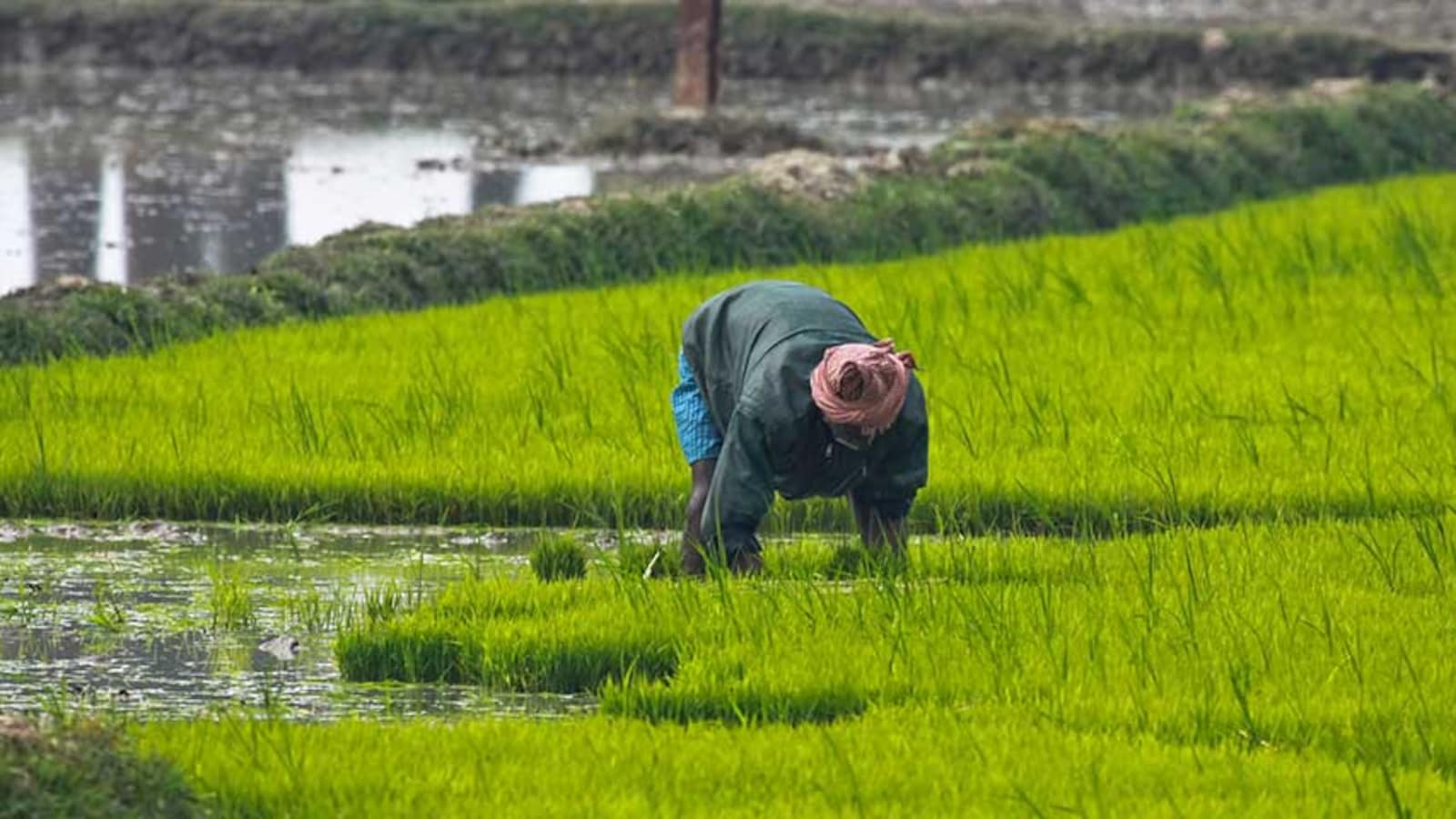

The ongoing monsoon rains across Punjab and Haryana have brought much-needed relief to farmers, significantly improving crop conditions while reducing dependence on irrigation. Farmers say the timely showers are expected to increase yields, cut electricity consumption, and help recharge the region’s rapidly depleting groundwater.
With paddy standing in fields across both states, farmers say the intermittent rainfall has ensured adequate moisture for crops, reducing the need to operate tube wells. This will not only lower electricity costs but also ease pressure on groundwater resources. Many farmers also believe the rains will help curb pest attacks and crop diseases, leading to healthier plants and better-quality produce.
Agriculture experts have described the rainfall as highly beneficial for the farming sector. They say rainwater strengthens crop roots, improves soil fertility, and naturally enriches the soil with nitrogen, promoting better plant growth. The moisture retained in the fields also supports seed germination and benefits crops beyond paddy. Rainfall washes dust and impurities off plants, further improving crop health and productivity. Timely rains are also expected to increase farm incomes by boosting agricultural output.
Director of weather department Surinder Paul said the rainfall has had a very positive impact on both Punjab and Haryana, benefiting agriculture, tourism, and the energy sector. He said the showers have reduced irrigation requirements, helped recharge groundwater, and improved water storage across the region. According to Paul, the rainfall has been beneficial for everyone, especially farmers.
Speaking on the monsoon situation, Paul said a rainfall variation of plus or minus 19 percent is considered normal at the state level. At present, both Punjab and Haryana are recording around a 30 percent rainfall deficit. In Haryana, districts including Jind, Panipat, Sonipat, Mahendergarh, and Panchkula have received nearly 50 percent less rainfall than normal, while conditions in the remaining districts are comparatively better. In Punjab, Bathinda, Faridkot, Mansa, and Sangrur continue to remain deficit districts, whereas rainfall in other districts is within the normal range.
He added that despite the deficit, the overall monsoon pattern has remained satisfactory due to better rainfall distribution compared to last year. Unlike previous seasons, the rains have not caused major damage to agriculture or tourism, and more rainfall is expected in the coming days to meet water requirements across sectors.
In Ambala, where intermittent showers have continued over the past several days, farmers say the impact is already visible in standing paddy fields. They believe the rains have arrived at a crucial stage of crop growth, reducing irrigation costs while improving crop health. Farmers described the recent rainfall as “worth its weight in gold,” saying that without it they would have been forced to run tube wells continuously, increasing both electricity consumption and groundwater extraction.
Farmers also noted that the rains are expected to raise the groundwater table, suppress harmful insects and pests, and provide relief from prolonged heat. They believe that if intermittent rainfall continues over the coming weeks, paddy and other crops will benefit significantly.
Farmer Barkha Ram said the rainfall over the last four to five days has improved crop growth and is likely to increase yields. He added that the rains will reduce crop diseases, improve plant health, raise groundwater levels, and provide relief from the intense heat.
Farmer Anand Kumar said his pearl millet crop had started weakening after an extended dry spell, affecting grain formation and increasing pest attacks. However, the recent rainfall has revived the crop, and he is now hopeful of a good harvest if favourable weather continues.
Another farmer, Satyanarayan, echoed similar views, saying the lack of rain for nearly 10 days had raised fears of crop losses. The recent showers, however, have significantly improved crop conditions and increased expectations of a healthy yield.
With forecasts indicating more rainfall in the coming days, farmers across Punjab and Haryana are optimistic that the monsoon will continue to support agriculture, conserve water resources, and improve overall crop productivity.



