


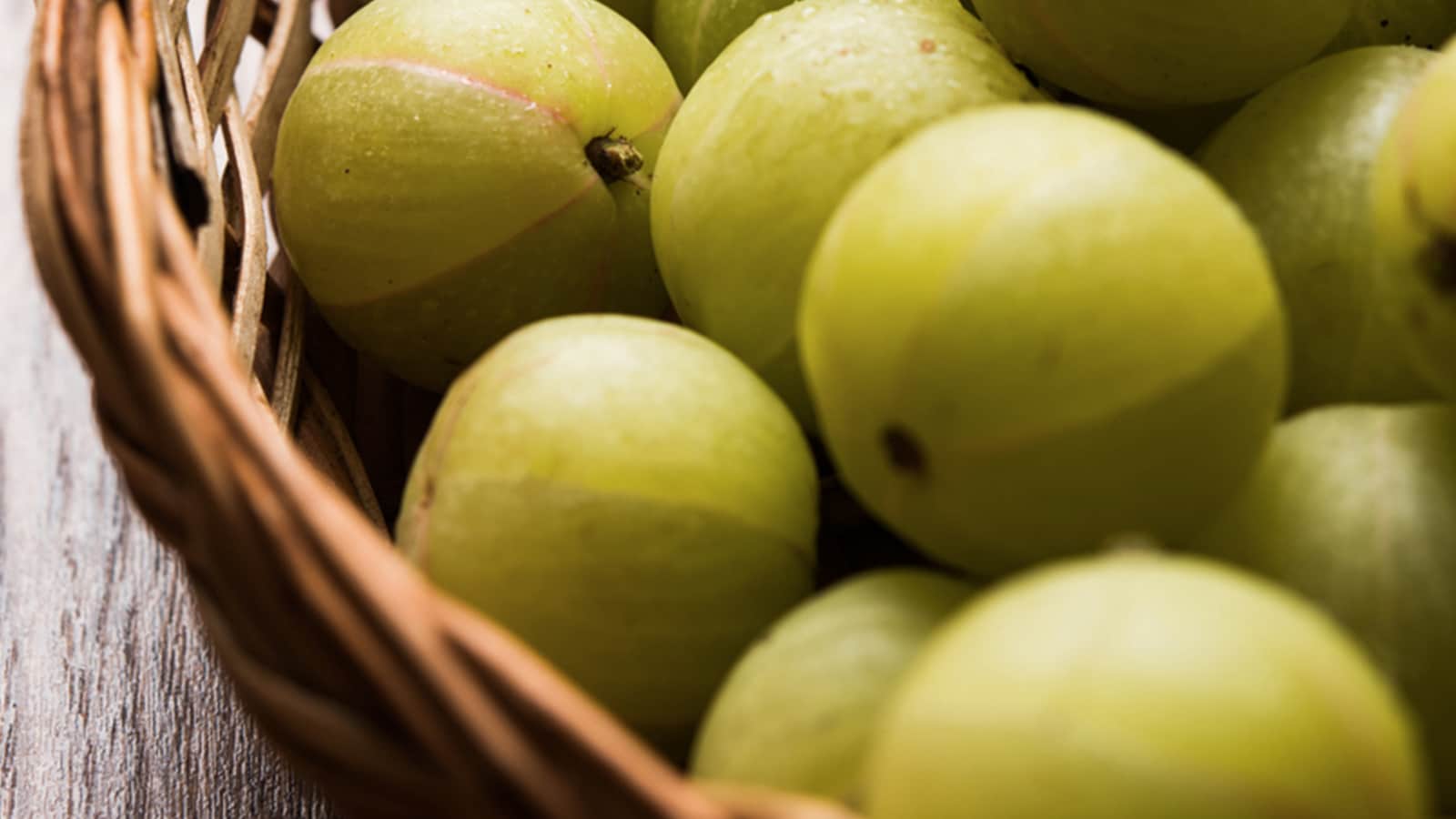
From homemade murabbas to fresh juices and chutneys, amla has found its way into Indian kitchens in many forms. Often celebrated as a superfood, this small green fruit is packed with nutrients that support overall health. Whether you’re looking to improve your skin, strengthen your hair, support immunity or maintain hormonal balance, amla is frequently recommended as a part of a healthy diet. But with so many ways to consume it, many people wonder if one method is better than the others. According to nutritionist Shalini Sudhakar, while amla is beneficial in almost every form, some methods may offer more advantages than others. Let’s find out which is the best way to consume amla.
Also Read: Summer Diet For Kids: How To Prevent Heat, Infections And Loss Of Appetite
Why Is Amla Considered So Healthy?

According to Sudhakar, amla can be a valuable addition to the diet for those looking to support glowing skin, healthy hair, stronger immunity and hormonal balance. Rich in vitamin C, antioxidants and other beneficial compounds, amla has earned a reputation as one of the most nutrient-dense fruits commonly available in India.
Amla Juice: Convenient But Missing Fibre
Amla juice is one of the most popular ways to consume the fruit. Sudhakar says it is an easy and convenient option for people who may not enjoy eating the fruit directly. However, when amla is consumed in juice form, much of its fibre content is lost in the process. While you still get many of its vitamins and minerals, your body misses out on an important nutrient that supports digestion and gut health.
Whole Raw Amla: Nutrient-Rich But Not For Everyone
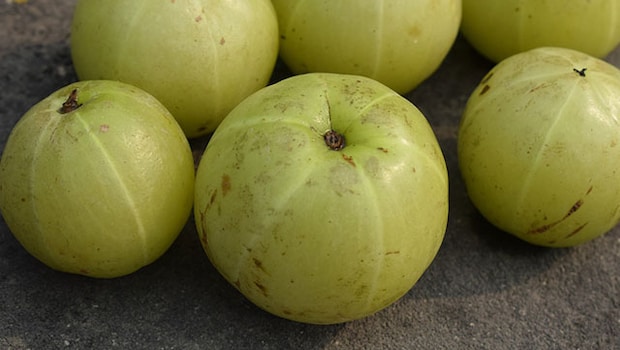
Eating whole raw amla allows you to get its complete nutritional profile, including fibre. However, Sudhakar points out that raw amla’s intensely sour and astringent taste may not appeal to everyone. Some people may also find it difficult to digest, especially when consumed in larger quantities.
Fermented Amla: The Expert’s Preferred Choice
According to Sudhakar, fermented amla may be the best way to consume the fruit. “Fermented amla provides wholesome nutrition along with fibre and also acts as an extraordinary probiotic,” she explains.
The fermentation process encourages the growth of beneficial bacteria, which can support gut health while allowing you to retain the vitamins, minerals and fibre naturally present in the fruit. For this reason, she considers fermented amla the most beneficial form among the available options.
Also Read: Which Mangoes Are Best For Mango Shakes?
How To Make Fermented Amla At Home
Sudhakar shares a simple method to prepare fermented amla:
- Pierce each amla all over using a fork.
- Place the amlas in water.
- Add a small amount of salt and sugar.
- Leave the mixture to ferment for three days.
- Once fermented, the amlas are ready to eat.
What Is The Best Time To Have Amla?

According to Sudhakar, there is no fixed time for consuming amla. It can be enjoyed at any time of the day, making it easy to incorporate into different meals and snacks.
How Much Amla Should You Have Daily?
Sudhakar recommends consuming around three to five amlas per day. She also advises chewing the fruit thoroughly, as proper chewing helps you get the most out of its fibre and nutritional benefits.
While amla offers health benefits regardless of how it is consumed, the form you choose can influence the nutritional advantages you receive. So, the next time you are planning to eat amla, make sure to take it in the fermented form for maximum benefits.



