


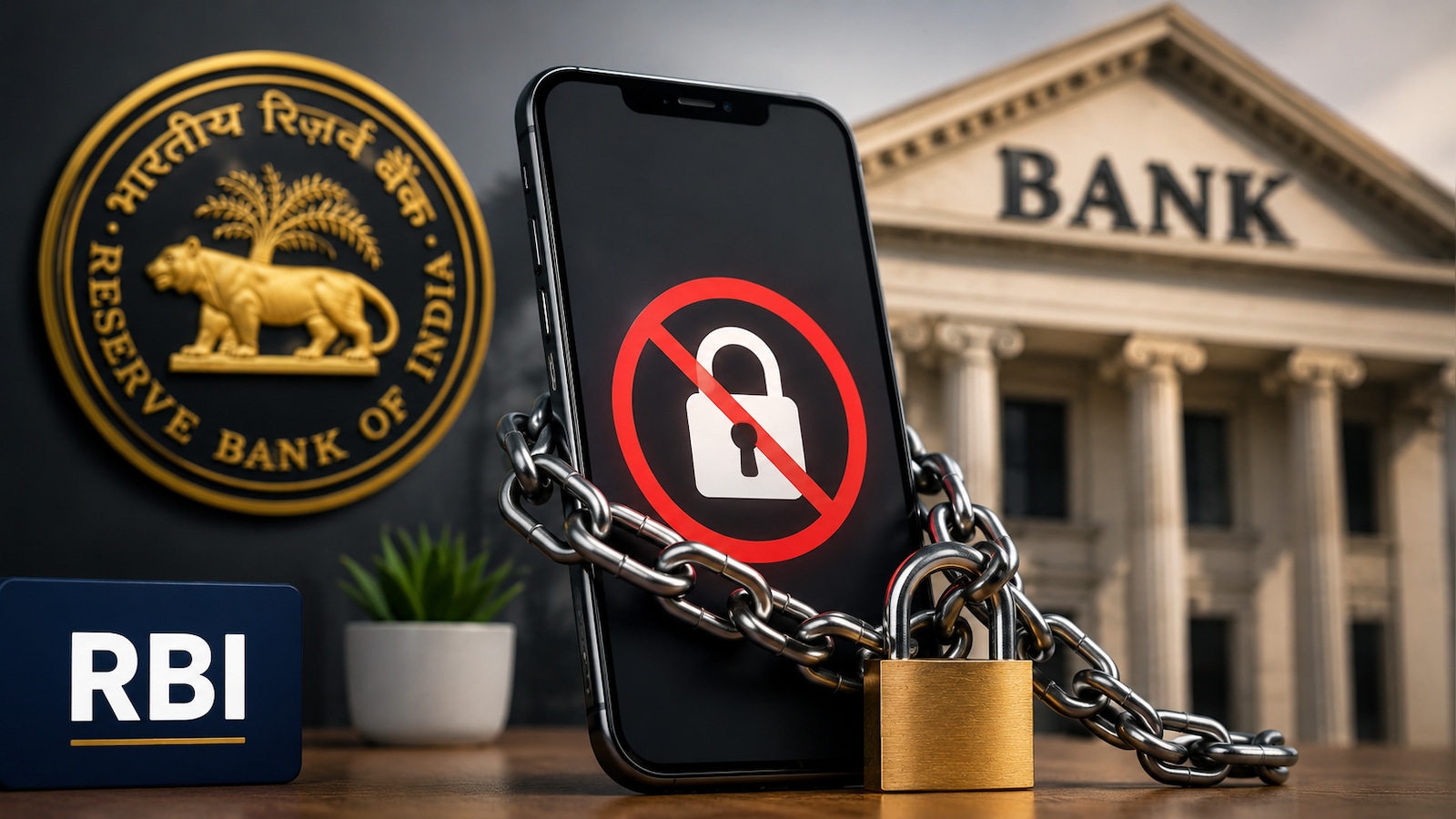
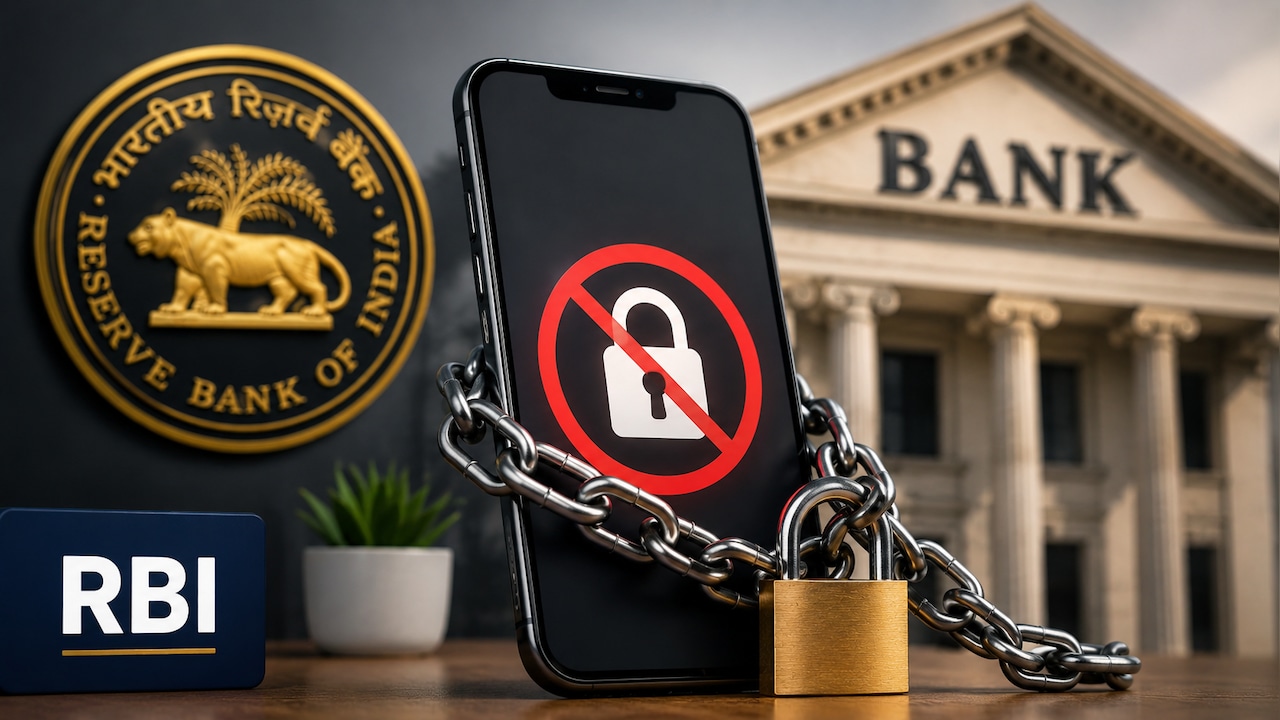
The Reserve Bank of India has barred banks from remotely restricting or disabling borrowers’ mobile phones, tablets and laptops to recover unpaid loans, unless the loan was taken to finance the device itself.
Banks can use technology to restrict a device only when the loan funded its purchase and the loan agreement expressly allows such action. The agreement must set out the recovery process and specify the sequence in which restrictions may be applied following a default.
The directions also set timelines for imposing restrictions, protect essential phone functions and require banks to compensate borrowers when devices are wrongly restricted or not restored on time. The RBI has separately laid down rules governing lenders’ use of recovery agents and their interactions with borrowers and guarantors.
30-Day Threshold
A bank cannot impose any restriction on a financed device until the loan account is at least 30 days past due, despite the borrower receiving due notice.
Lenders must introduce restrictions in stages. They can impose the full set of permitted restrictions only after the account becomes 60 days overdue. Banks cannot block outgoing calls before the loan is 60 days past due.
Even after that point, lenders cannot disable incoming calls, SMS or emergency SOS functions. Restrictions must also not prevent borrowers from using their devices for work or employment-related activities.
Banks must obtain certification for the technology mechanism from the device’s original equipment manufacturer or operating system platform, wherever applicable. Borrowers must also be able to check the status of restrictions placed on their devices at any time.
ALSO READ: Inside The MobiKwik Xtra Issue: Withdrawal Freeze, RBI Rules And Recovery Process
Unlocking Devices
Banks must restore all restricted functions within one hour of receiving the outstanding loan dues.
A lender that wrongly restricts a device or fails to restore its functions within the prescribed period after repayment must compensate the borrower at Rs 250 for every hour of delay. The total compensation cannot exceed the loan amount.
Once borrowers repay the loan in full, banks must give up access to the technology used to restrict the device. They must also inform borrowers about any steps needed to uninstall the relevant software.
Borrowers retain the right to make partial or full prepayments at any stage.
The RBI has also directed banks to establish a grievance redressal mechanism for complaints involving delays or problems in restoring device functions.
Recovery Agents
Banks must have a policy governing their engagement with recovery agents and publish a list of empanelled recovery agents or agencies on their websites. They must also train recovery agents on appropriate conduct.
“An employee / recovery agent shall interact with the borrower / guarantor in a civil manner. Further, he / she shall maintain decency and decorum during visits to the borrower’s / guarantor’s place for collection / recovery of loan dues,” the RBI said.
The central bank also restricted the hours during which bank employees and recovery agents can contact or visit borrowers and guarantors.
“An employee / recovery agent shall contact / visit the borrower / guarantor only between 08:00 hours and 19:00 hours. Calls / visits earlier or later than the prescribed time period shall be done only when the borrower / guarantor has expressly given a request or authorisation to do so,” the RBI said.
“Further, the borrower’s / guarantor’s request to avoid call / visit at a particular time shall be honoured in normal circumstances,” it added.
ALSO READ: Loan Recovery Harassment: Five Steps To Take And Legal Rights Every Borrower Should Know
Essential Business Intelligence,
Sharp Market Insights,
Practical Personal Finance Advice, Daily Fuel, Gold and Silver Prices and Latest Stories — On NDTV Profit.



