


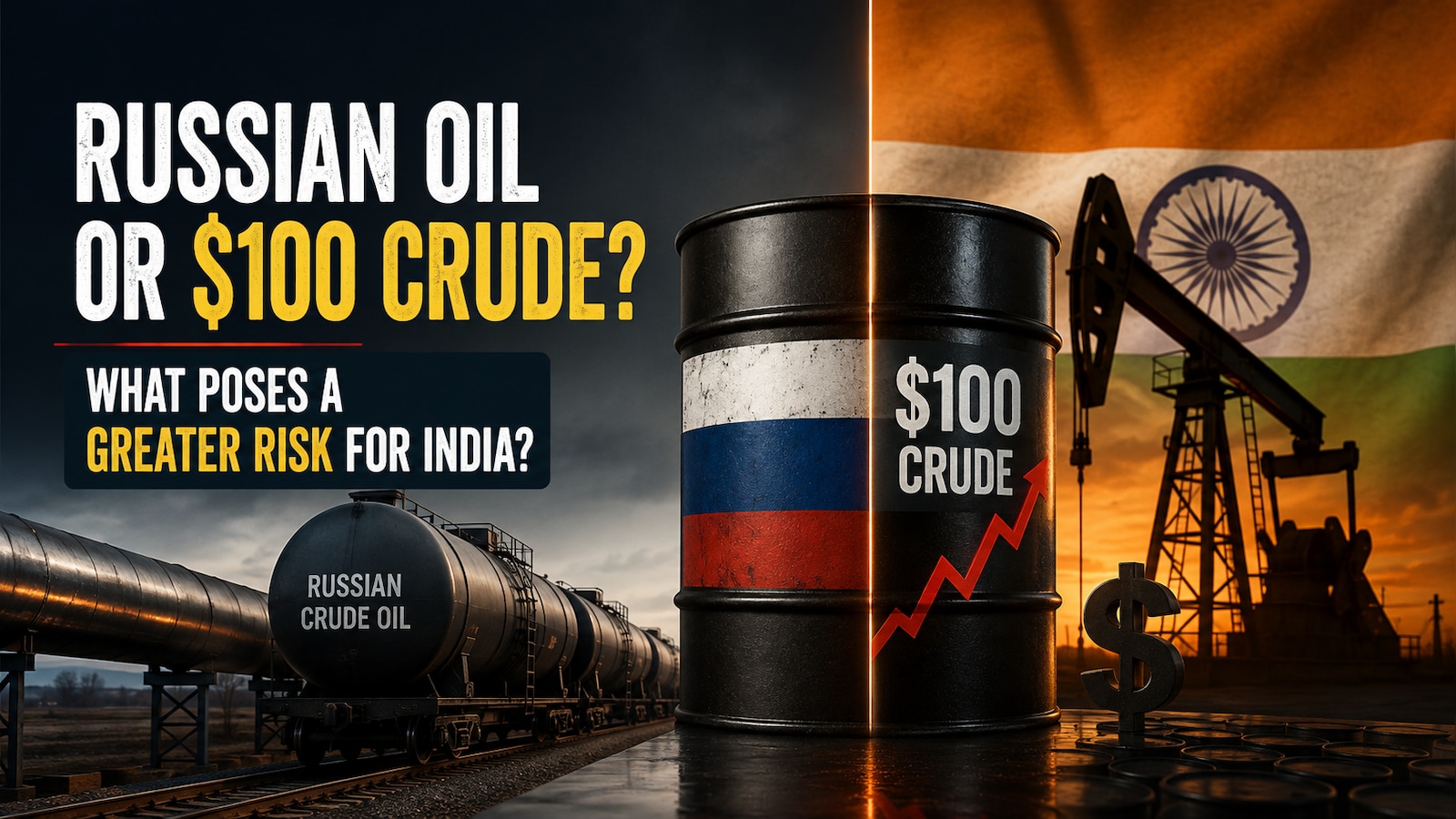
India is likely to be better equipped to deal with the loss of discounted Russian crude than with a prolonged surge in global oil prices, according to Anindya Banerjee, Head of Commodity and Currency Research at Kotak Securities, as quoted by ANI.
His remarks come amid growing pressure on countries that continue to import Russian oil. The US has been advocating stricter action against buyers of Russian energy, fuelling speculation over whether India may have to cut back on purchases from Moscow.
Banerjee, however, said the bigger concern for India would be a sustained rise in global crude prices, especially if oil climbs to $100 a barrel or remains above that level.
Russian Oil Discount Has Narrowed
Russian crude became an important source of savings for India as the Ukraine-Russia war is ongoing, with discounts at one stage reaching as much as $15-$20 per barrel. That advantage helped Indian refiners lower their crude procurement costs and supported the country’s energy security.
But the discount has narrowed sharply. According to ANI, Banerjee said the discount on Russian crude has now fallen to around $2-$3 per barrel.
With India spending nearly $150 billion a year on crude imports, the benefit from Russian oil discounts is estimated at only $2-3 billion annually.
This suggests that replacing Russian crude with supplies from other producers could raise procurement costs, but the overall impact on India’s economy may remain manageable.
India has also diversified its crude sourcing base, importing oil from more than 40 countries across the Middle East, Africa, the US and other regions.
$100 Crude Could Hurt India More
A sustained rise in global crude prices would have a much wider economic impact.
ANI, citing Banerjee, reported that every $10 increase in the average crude price for India’s import basket could add roughly $15 billion to the country’s annual oil import bill.
A move towards $100 crude would therefore put considerably more pressure on India’s external finances than the loss of the current Russian oil discount.
Higher crude prices can widen the trade deficit, put pressure on the rupee and increase domestic inflation. They can also raise transportation and input costs across sectors, while potentially increasing the government’s burden if fuel prices are cushioned.
India Has Multiple Buffers
Banerjee also focused on India’s diversified sourcing strategy and efforts to develop alternative payment mechanisms as buffers against geopolitical disruptions, according to ANI.
India has increasingly used arrangements involving rupee trade and bilateral settlement mechanisms, reducing dependence on traditional dollar-based payment channels.
On the supply side, India also has strategic petroleum reserves along with commercial inventories, providing additional protection against short-term disruptions.
The key distinction for India, therefore, is between the loss of a relatively small Russian crude discount and a major global oil-price shock.
While moving away from Russian oil could increase procurement costs, a sustained crude price of $100 per barrel or higher would pose a far greater macroeconomic risk by sharply increasing India’s import bill and inflationary pressures, according to the assessment cited by ANI.
Also Read: US Senate Nod To Bill On Russia Sanctions Can Hit Indian Exports With 100% Tariff: GTRI
Essential Business Intelligence,
Sharp Market Insights,
Practical Personal Finance Advice, Daily Fuel, Gold and Silver Prices and Latest Stories — On NDTV Profit.



