


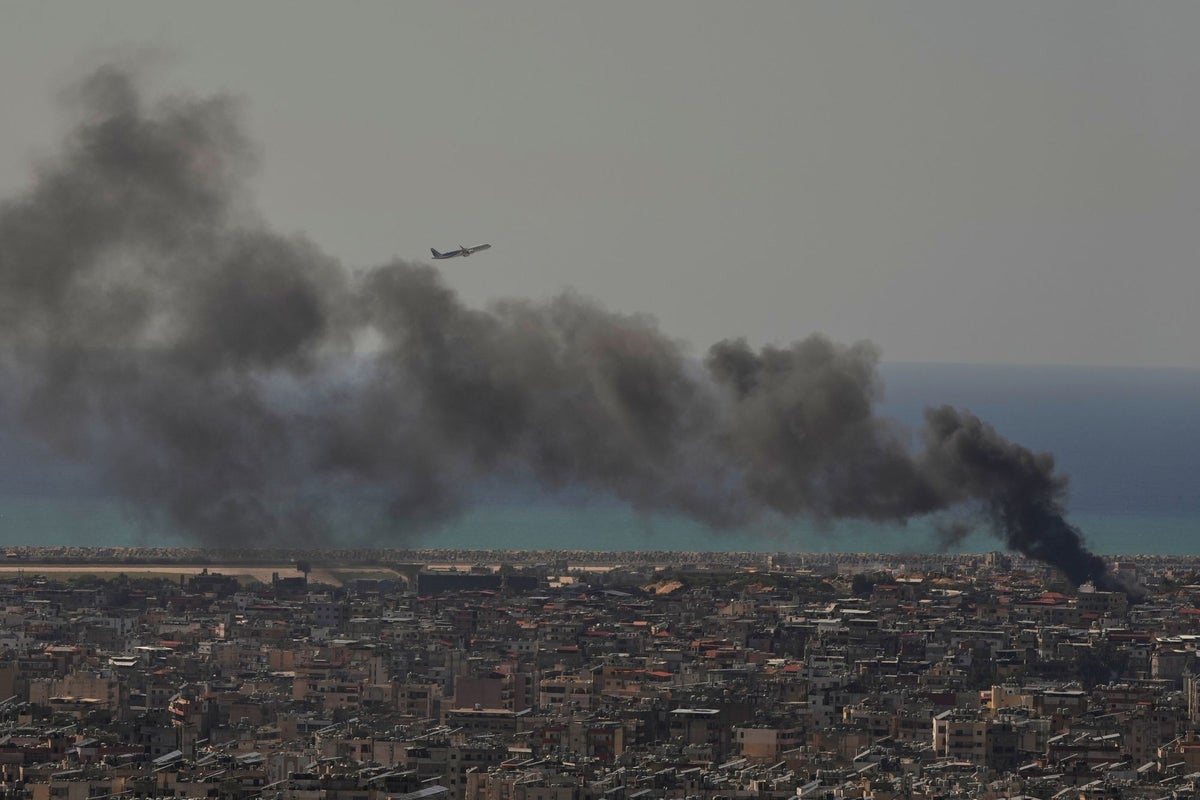
Lebanon‘s aviation regulator has launched a safety audit of Middle East Airlines (MEA) as pilot groups raised concerns that crews were being asked to fly close to airstrikes and penalised for reporting safety incidents, according to letters seen by Reuters.
The audit puts scrutiny on the Beirut-based flag carrier, which has kept the country connected through war and financial collapse even as many foreign airlines have avoided large parts of Middle East airspace because of missile and drone risks since the U.S.-Israeli war against Iran began in February.
MEA, which has a fleet of around 20 planes operating in the Middle East, Europe and West Africa, has been praised at home for continuing to fly during regional conflict and helping to prop up a weak economy that is more dependent than ever on tourism and remittances from expatriates.
The airline said it has a strong and proven safety record, and that any flights during military hostilities were conducted based on risk assessments developed alongside Lebanon‘s government and aviation regulator, the Lebanese Civil Aviation Authority (LCAA).
But since 2024, multiple Israeli airstrikes have landed near Lebanon’s largest airport, raising concerns among the International Federation of Air Line Pilots’ Associations (IFALPA), a global federation of pilot unions, given the history of civilian aircraft being shot down in or near conflict zones.
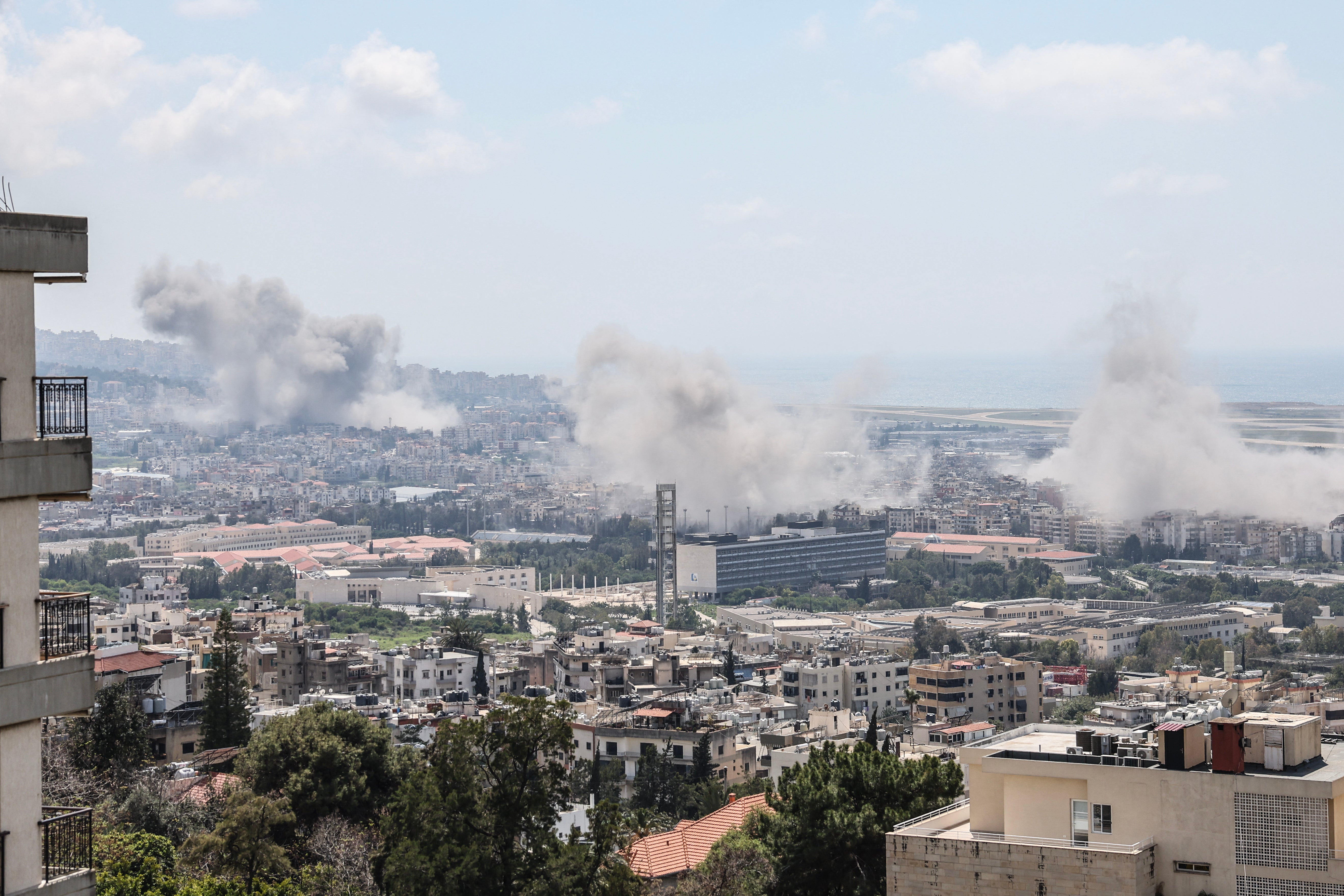
The aviation concerns have grown as Israeli strikes on Lebanon stepped up this year during a widening conflict with Iran-backed Hezbollah.
“While some may think that flying civilian aircraft and passengers in high-risk and conflict zones during war conditions is heroic, we consider this an unconscionable risk,” IFALPA President Ron Hay wrote in a May 12 letter to Lebanon’s central bank, which holds a majority share in MEA.
The central bank, known as the Banque du Liban, referred Reuters to MEA.
“The son of the chairman of MEA and the son of the chairman of LCAA are both captains at MEA and flew throughout the period,” the airline said.
LEBANESE REGULATOR CONDUCTS SAFETY AUDIT OF MEA
LCAA head Mohammed Aziz, an air crash investigator, told IFALPA in a May 15 letter that his team would conduct an aviation safety audit on MEA and “engage in a dialogue with MEA to discuss the concerns you stated in your letter.”
MEA said oversight activity conducted by the LCAA on MEA from May 18 to June 1 confirmed the carrier’s compliance with “regulatory and operational safety requirements.”
Aziz told Reuters a closing meeting with the airline was held on Monday, but the LCAA audit was still being processed, and “we were in the process of mediating” between the pilots and MEA.
One MEA pilot interviewed by Reuters said aviators had a financial incentive to fly since per-flight payments made up a majority of their salaries, with their base salary slashed due to a Lebanese economic collapse that began in 2019.
IFALPA, supported by other aviator groups, flagged cases where pilots reported unintentional errors for the purpose of improving safety, but faced punishment such as being sent for “training”, where they lose out on the per-flight payments.
“We know definitely that pilots have spoken up and there have been actions taken against them,” Hay told Reuters by phone.
MEA called IFALPA’s allegations “unfounded” and said training assignments were conducted in line with regulatory requirements and “should not be misconstrued as disciplinary or retaliatory measures.”
PILOTS CONTACT PARTNER AIRLINES IN U.S., EUROPE
The safety concerns led pilot groups to contact the SkyTeam airline network alliance, which includes carriers like MEA, Air France and Delta Air Lines, to raise awareness.
Dara van Langen, chair of the SkyTeam Pilots Association, said in an interview: “If you put your passengers in the plane of a colleague airline then for sure you want to be sure the level of safety is where you want it to be.”
Both the U.S. Federal Aviation Administration (FAA) and the European Union Aviation Safety Agency (EASA) require airlines in their jurisdictions to audit foreign codeshare partners to ensure comparable safety.
Air France, which has a codeshare agreement with MEA, said it regularly audits all codeshare partners. SkyTeam and Delta, which has a less extensive interline agreement, said they were aware of pilots’ concerns and were monitoring the situation, adding that safety was imperative.
MEA PAYS CIVIL AVIATION WORKERS
IFALPA said it was also concerned that MEA provided payments to LCAA workers overseeing aviation safety.
An internal spreadsheet of financial assistance for the month of November reviewed by Reuters showed that dozens of LCAA employees received payments from the airline, including three aviation safety workers.
“If the oversight of your airline is being (partly) paid by your airline,” then “you don’t want to speak up, do you?” IFALPA’s Hay said.
MEA said it had provided financial support in coordination with Lebanon’s government to ensure the country’s aviation infrastructure functioned after the financial crisis caused a currency collapse. Air traffic controllers’ pay was cut by more than 90% to less than $100 a month, it said.
The carrier said its support did not affect the LCAA’s “independence, authority, or oversight responsibilities” and auditors and the agency’s leaders, including Aziz, did not receive payments. (Reporting by Allison Lampert in Montreal; Additional reporting by Maya Gebeily in Beirut; Editing by Jamie Freed)



