


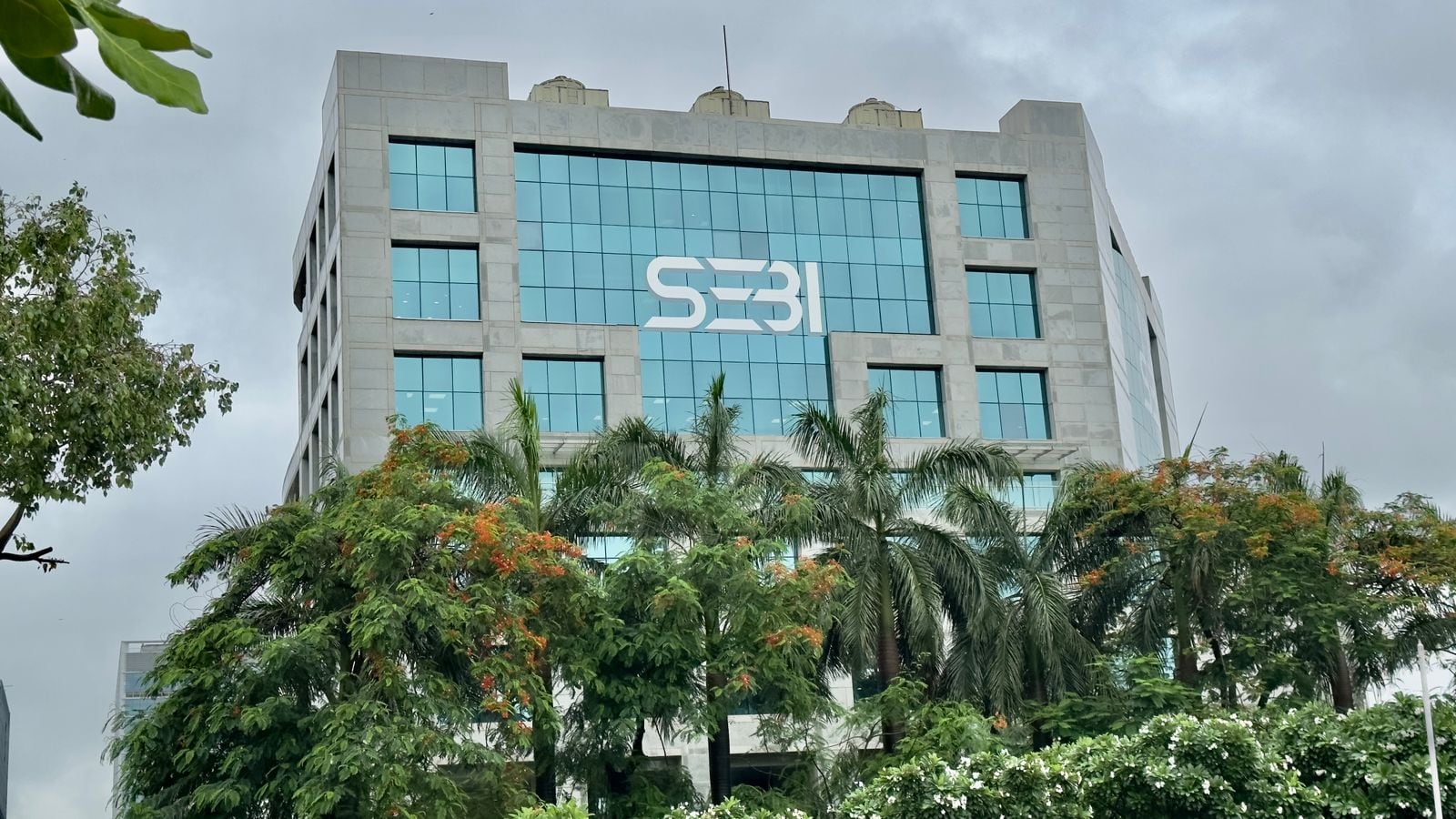
States are beginning to respond to SEBI’s push to unlock public infrastructure through InvITs, with Maharashtra emerging as the frontrunner and likely to roll out its asset monetisation policy in the next four to five months, people familiar with the discussions said.
SEBI has also been in conversation with Rajasthan and Uttar Pradesh who are also interested in InvIT-backed asset monetization, sources say. While Rajasthan is in active conversations, following a short pause, discussions with Uttar Pradesh are at a nascent stage.
With strong interest from global pension funds and provident funds in these state assets, the move also signals a shift from centre-led monetisation to a wider state pipeline, potentially opening up roads and other infrastructure assets to institutional capital.
Maharashtra Leading The Way
Maharashtra is currently the most advanced among states evaluating InvIT-led monetisation, with active engagement between the state government, SEBI and industry bodies shaping the framework.
The state has already begun groundwork on documentation and model agreements, but the real challenge now lies in identifying bankable assets and pricing them in a way that can withstand audit and scrutiny.
“This is the first time you are seeing states move with some momentum on InvITs. The policy framework is the easier part, the real test is whether states can identify assets and price them in a way that investors trust and auditors accept,” said NS Venkatesh, chief executive officer of the Bharat InvIT Association.
Both the Securities and Exchange Board of India and the Bharat InvITs Association have been working closely with states, making presentations and providing inputs on the regulatory structure, product design and implementation roadmap for InvITs.
Arka Majumdar, partner at JSA Advocates & Solicitors, said, “SEBI has been working through associations like BIA to look at promoting asset monetization at State levels. Some of the key sectors that SEBI has been looking at promoting are power sector and data centres.”
Roads, Power, Renewables Priority Sectors
Road assets, particularly operational highways and expressways, are expected to lead the first wave, given their predictable cash flows and established. “For roads, you already have a template through NHAI. For other sectors, states will have to build that confidence from scratch, both on valuation and risk allocation,” Venkatesh said.
Unlike central agencies such as NHAI, states do not yet have a standard playbook for asset valuation or transfer, making pricing the single biggest friction point.
Any mispricing risks post-facto scrutiny from auditors, vigilance bodies and legislative oversight, which has historically slowed decision-making.
Other sectors such as renewable energy, power infrastructure and warehousing are also under consideration, sources say.
Strong Global Investor Interest
The potential investor base is deep, with global pension and provident funds expected to be key participants given their appetite for long-duration, yield-generating assets.
Market participants said investor appetite is unlikely to be a constraint, provided asset quality and structural safeguards are in place. “Capital is not the constraint here, credibility of the asset and structure is. If the first few transactions get the pricing and governance right, capital will scale very quickly,” one expert said on conditions of anonymity.
Rajasthan, Uttar Pradesh In Talks
While Maharashtra leads the state-level pipeline, other states are also moving in this direction. Rajasthan has revived its monetisation push after an earlier slowdown and is currently seen as the second-most advanced state in the pipeline.
Uttar Pradesh is also exploring the InvIT route but remains at an earlier stage compared to both Maharashtra and Rajasthan.
ALSO READ: Why SEBI’s Payroll-Linked SIP Is A Good Idea For Employed Individuals
Essential Business Intelligence,
Continuous LIVE TV,
Sharp Market Insights,
Practical Personal Finance Advice and
Latest Stories — On NDTV Profit.



