


Want to bookmark your favourite articles and stories to read or reference later? Start your Independent Membership today.
Already a member?
Log in
There is something absurd, and faintly insulting, about walking into a pub for a pint and being stopped by someone on the door – because they have those people now – and asked whether you’ll be eating, or whether you have a booking, perhaps. Say “no” and you might trigger that awkward bit of theatre usually reserved for restaurants where they check the iPad, do a cursory scan of the room full of empty tables with tablecloths and cutlery and wooden toblerones that say “reserved” and say, with pity in their eyes, “Sorry, we’re actually a gastropub? We don’t do that old-fashioned thing called drinking.”
When, exactly, did pubs stop being just pubs? When did eating at a pub become something more than a packet of crisps, a pork pie of uncertain vintage or, if the landlord was feeling particularly fancy, a ploughman’s?
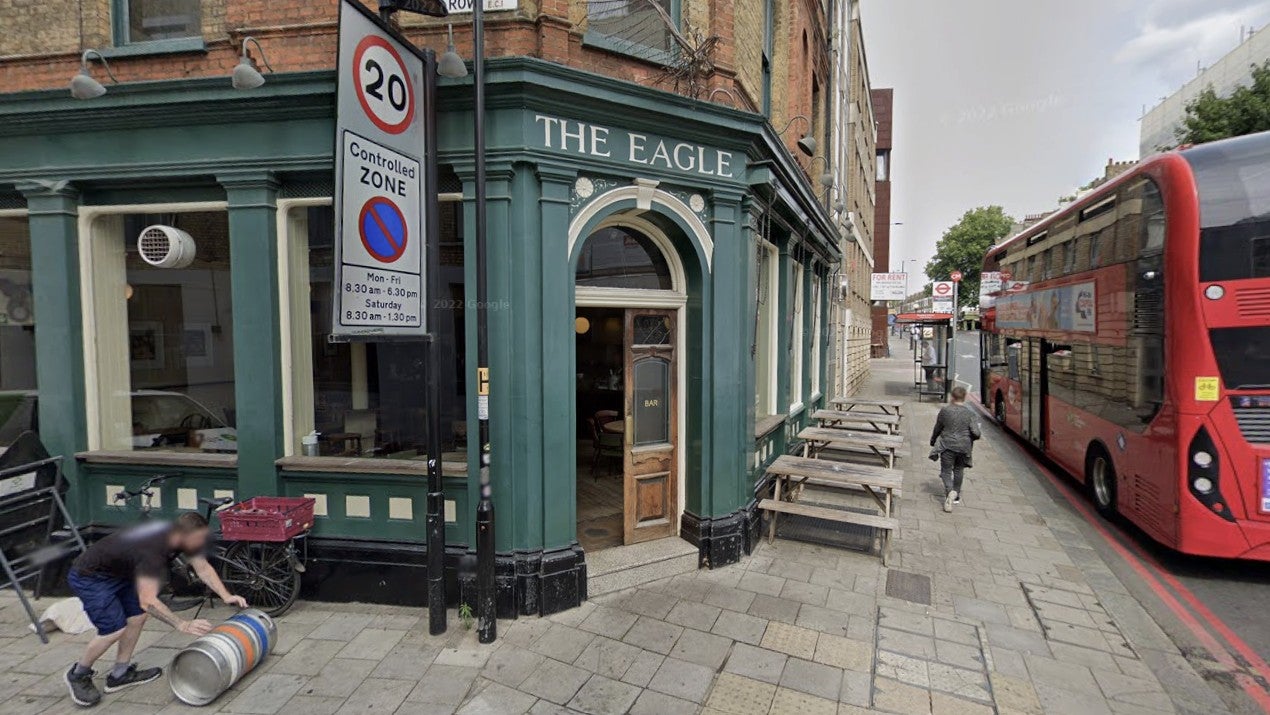
Well, technically, 1991, with “Britain’s first gastropub”, The Eagle in Farringdon, though plenty of others have claimed the title. For the next 35 years, Britain did what it does best and opened one on seemingly every street in the country.
I don’t hate gastropubs. They have their place; many of them are decent and not all of them will turn you away for the crime of merely requesting a pint. But the more puritanical gastropubs aren’t really pubs at all. They’re restaurants cosplaying as pubs.
Thankfully, for anyone who has been weathering the trend for the best part of 40 years, the tide appears to be turning. Proper boozers are making a comeback.
Hospitality property adviser Christie & Co reported earlier this month that it’s seeing more and more pub operators abandoning the gastropub style in favour of traditional drinking pubs, where staffing costs are lower and the business is considerably simpler to run. It said people looking to buy a pub in 2026 are typically looking for wet-led models that already have an established community. It first identified the trend a year ago, saying that the gastropub model had started to generally offer lower profit margins because of the high cost of producing food.
I don’t hate gastropubs … But the more puritanical gastropubs aren’t really pubs at all. They’re restaurants cosplaying as pubs.
The tills appear to agree. According to figures from CGA and NIQ from May of this year, wet-led pubs saw 3.6 per cent sales growth over the past 12 months, against 2.4 per cent for pub restaurants. It seems the unpretentious local may have more life in it than its obituary writers have been trying to suggest.
For a country that has spent decades trying to improve its pub food, even winning Michelin stars for it, it’s a funny turn of events. When Michael Belben and David Eyre opened The Eagle in 1991, they had actually wanted a restaurant. They couldn’t afford one, so they put restaurant-quality cooking into the pub instead.
It worked rather too well. Pub lunches improved, tablecloths were ironed, chalkboards popped up everywhere and Sunday lunch became something people booked weeks in advance. The pub had discovered good food. It was only a matter of time before it discovered tasting menus.
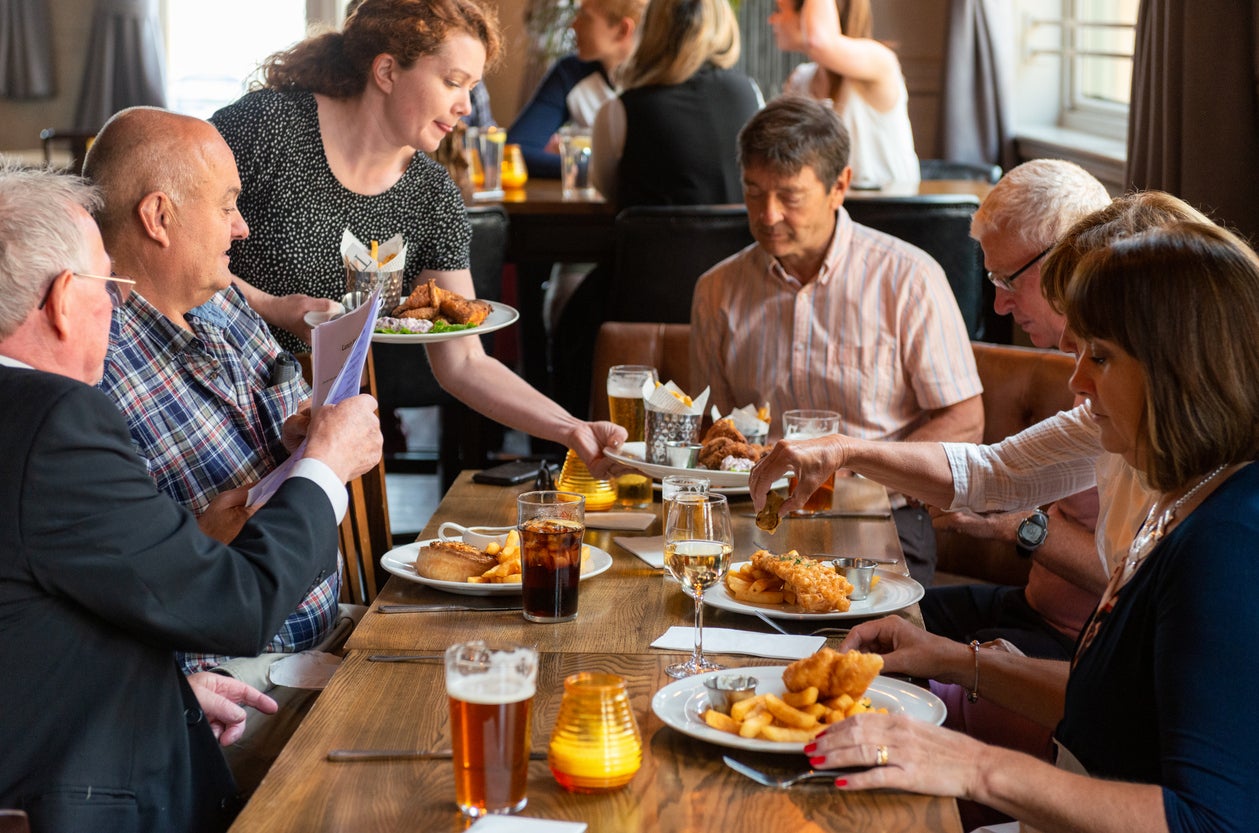
Success, inevitably, encouraged ambition. The pub kitchen became a dining room. The dining room acquired a booking system. The menu began listing farms, breeds and the provenance of the carrots. I’ll admit that I have had very good meals in these kinds of pubs. It’s where some of Britain’s best, and most authentic, cooking can be found.
But it marked a strange reversal in pub culture. The gastropub was invented to make restaurant food less formal and more affordable. What it actually did was turn an evening in the pub into a run-of-the-mill restaurant booking, requiring organising, booking, guest lists, dietary requirements and dress codes. It didn’t just kill off the boozer. It killed off spontaneity.
1.2%
More growth in sales for pubs compared to pub restaurants
Turning up to one of these pubs in search of a pint can sometimes feel a bit like turning up to a wedding you haven’t been invited to. The tables are for diners. The bar is for people waiting to become diners. Order only a drink and you risk feeling like you haven’t read the order of service.
Jokes aside, the costs of running a pub restaurant are less amusing. Any kitchen, after all, needs skilled staff, expensive equipment, energy, ingredients and enough people buying the food to cover the costs of all of them. A quiet Tuesday when you’re only pulling pints is one thing, but quite another when you’ve stocked a fridge and scheduled a brigade to cook for people who haven’t turned up.
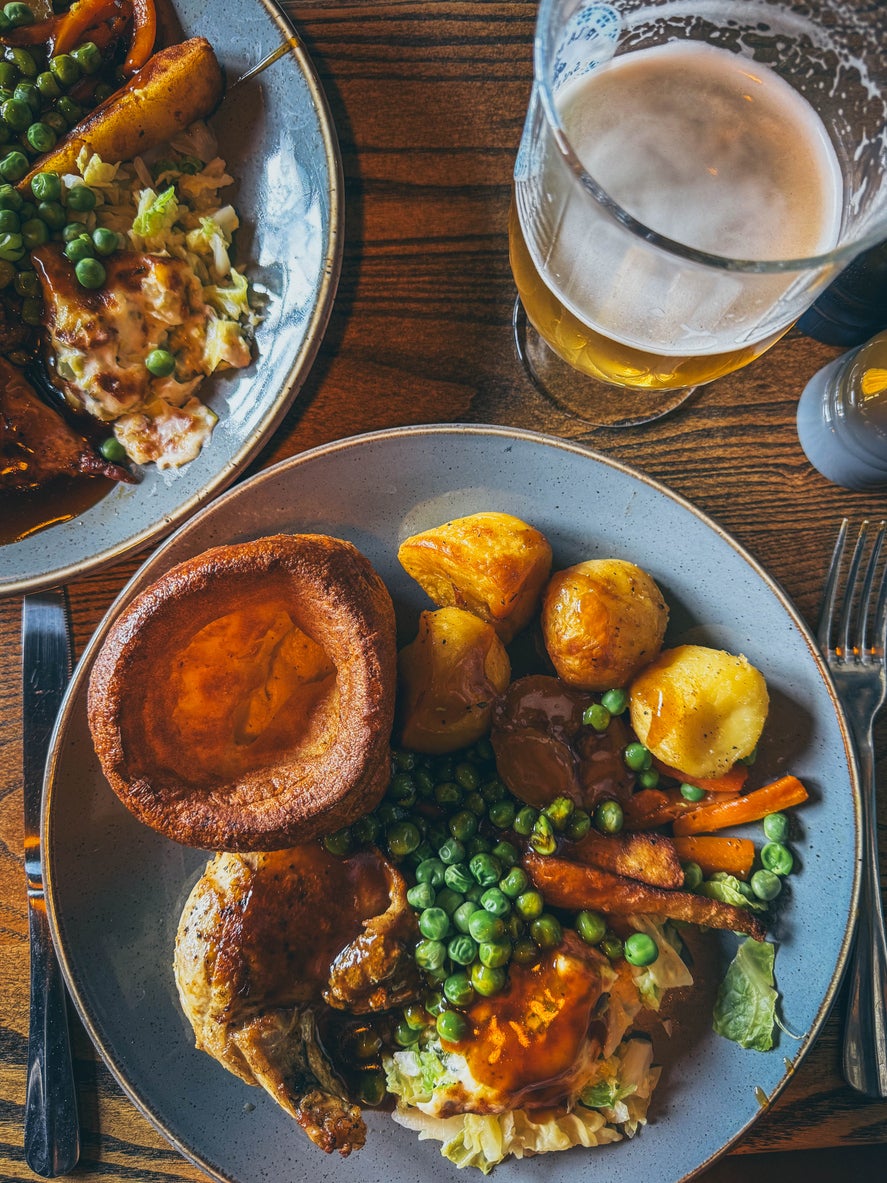
In its report, Christie & Co said that wet-led pubs can offer better profit margins than food-led businesses because producing food has become so much more expensive than it was in 1991. That isn’t to say wet-led pubs can simply charge a handsome mark-up and feel smug about it. Beer still has to be bought, stored and served, with duty and a thicket of other costs along the way, but, crucially, it doesn’t require a chef, a prep kitchen or a fridge full of ingredients with expiry dates.
There’s a financial argument for customers, too. NIQ found that 41 per cent of people consider value when choosing a pub, rising to 56 per cent among younger drinkers. A few pints are hardly a bargain these days, but they’re usually cheaper than dinner for two. And there’s no requirement to order a side of truffle fries just to justify occupying a chair.
How proper boozers will fare in a climate where nearly 40 per cent of drinkers are trying to cut down, a figure that is only rising year-on-year, is the more interesting question. The desire to socialise hasn’t gone anywhere, though. Casual get-togethers were the most popular reason cited for visiting pubs in NIQ’s research, at 47 per cent. Add a quiz, live football, a meat raffle, which, according to recent reports, isn’t going anywhere, and you’ve got a very good reason to leave the house without having to input your card details and pay a deposit.
With 360 pubs expected to have shut by the end of the year, according to figures from the British Beer & Pub Association, for many, the question isn’t whether to keep the chef, but whether to keep the doors open at all. We might be drinking less, but we’re hardly overflowing with company: ONS figures show almost a quarter of adults regularly feel lonely.
Perhaps the appeal of the proper boozer is precisely that it asks so little: no reservation, no dress code, no obligation to order dinner. Somewhere you can turn up just because you feel like it, see who’s about and stay a while. You don’t even have to drink alcohol. The point is that there’s somewhere to go.
The gastropub taught Britain that a pub could serve excellent food. A useful lesson. Perhaps the next one we need to learn is that it doesn’t always have to. Sometimes a comfortable seat, a decent pint and absolutely no plans for dinner are quite enough.