


Buying cooking oil used to be one of the less consequential parts of the weekly shop. Now, depending on which corner of social media you’re doomscrolling, it’s apparently something you need to investigate.
TikTok has recently cast seed oils – sunflower, rapeseed, grapeseed and their various relatives – as nutritional villains, to be blamed for everything from inflammation and obesity to chronic disease. Harsher critics have even bundled them together under the suitably lurid label the “hateful eight”.
The social media panic doesn’t stand up particularly well to scrutiny. Unsaturated oils – olive, rapeseed and sunflower among them – are generally still preferable to fats high in saturated fat such as butter, ghee and coconut oil. And there is no evidence that eating seed oils as part of a normal diet causes inflammation.
So that’s that. Panic over. Unfortunately, just as the internet has decided that the cheapest cooking oils should be treated with suspicion, olive oil has also become painfully expensive.
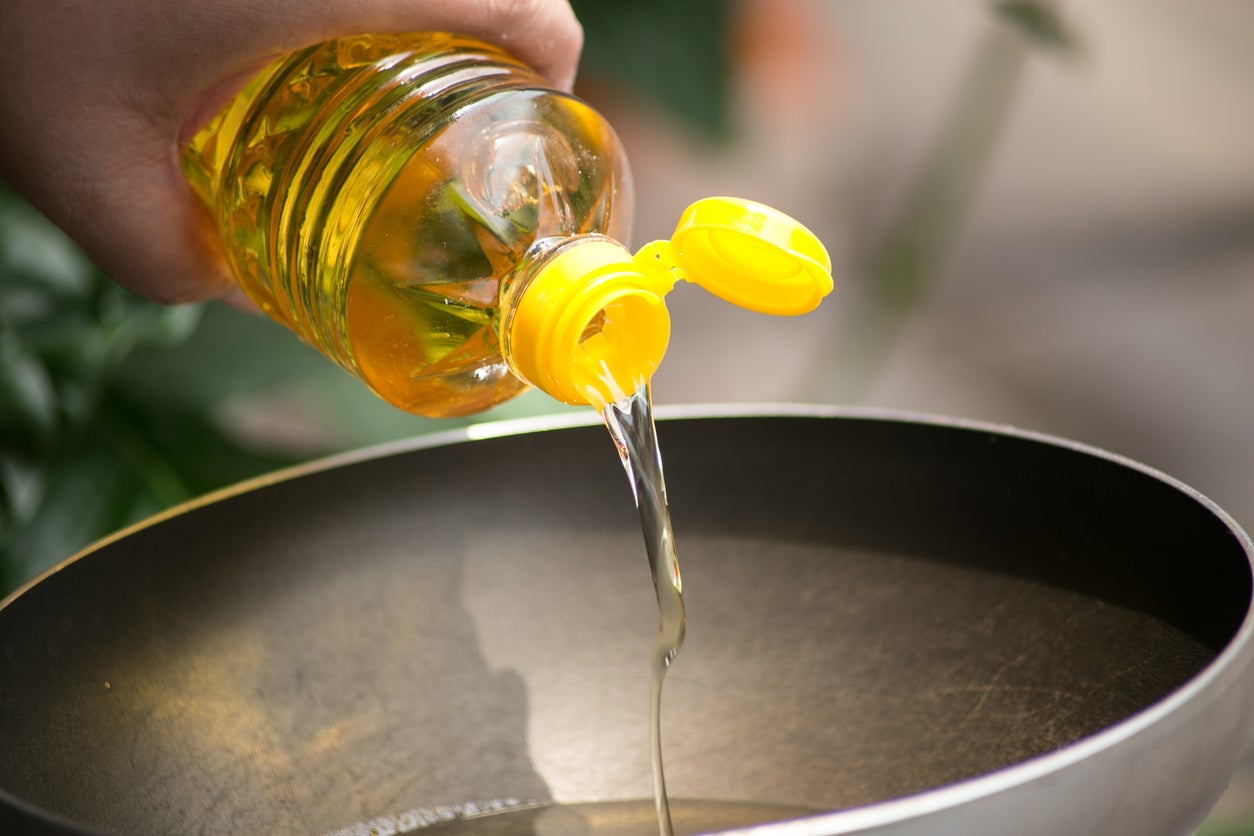
Somewhere between the pandemic, two disastrous Spanish harvests and the point at which supermarkets started putting security tags on bottles, it acquired the financial weight of choosing a minor household appliance. Things are improving. A much better harvest in Spain, the world’s biggest producer, has sent wholesale prices down. Filippo Berio says its UK sales volumes jumped 37 per cent last year as prices eased.
Still, nobody standing in the oil aisle would mistake this for a return to the good old days. The same bottle cost £3.75 in 2022. At Tesco, a litre of own-brand extra virgin olive oil is currently £7.75. A litre of vegetable oil, meanwhile, costs £1.49. Which does raise the question of why anyone is pouring the expensive one indiscriminately over a tray of vegetables before putting them in the oven.
Choosing between cooking oils has become an unexpectedly fraught exercise. The cheap bottle may have been denounced by someone with three million followers and a podcast. The virtuous-looking bottle next to it costs five times as much. Avocado oil is lurking somewhere in 250ml portions apparently priced by a Mayfair landlord.
Most of this is unnecessarily complicated. There are really only two jobs for oil in a kitchen. Some are there to transfer heat, crisp things up and stop dinner welding itself to metal. Others are there because you actually want to taste them.
Once you stop expecting one expensive bottle to do both – and stop assuming cheap means toxic – the shelf becomes much easier to navigate.
Rapeseed and vegetable oil: the one TikTok told you to fear
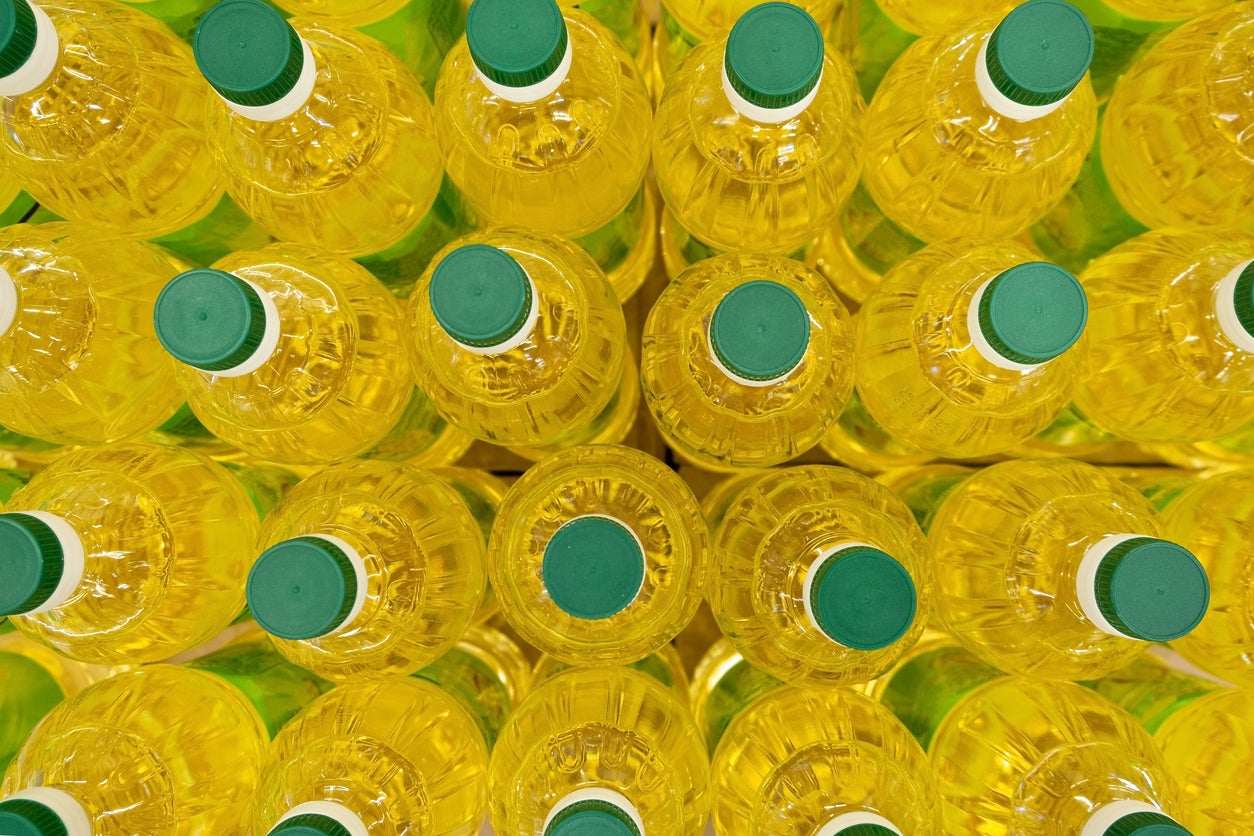
Here is the slightly anticlimactic answer for anyone hoping the best everyday cooking oil would arrive from a sun-drenched grove in a handsome tin: it is probably the £1.49 bottle of vegetable oil.
In many British supermarkets, “vegetable oil” simply means rapeseed oil. In America, they call it canola oil. There’s nothing more mysterious about it.
Rapeseed is low in saturated fat, rich in unsaturated fats and, in refined form, neutral-tasting and useful for frying, roasting, searing and baking. It can deal with roast potatoes, onions, a steak, a tray of carrots or the oil in a cake without making itself known in any of them.
Much of the online panic centres on its omega-6 content, particularly linoleic acid, but human studies have not produced good evidence that consuming normal amounts of omega-6-rich oils increases inflammation. The fact that many refined oils are industrially processed does not make the finished oil inherently poisonous either.
Cold-pressed British rapeseed is another thing altogether: darker, nuttier and worth using where its flavour can actually be appreciated – in salad dressings, drizzled over roast vegetables or new potatoes or stirred through mayonnaise.
For everyday cooking, though, the cheap refined stuff is difficult to beat.
Olive oil: when it’s worth paying more
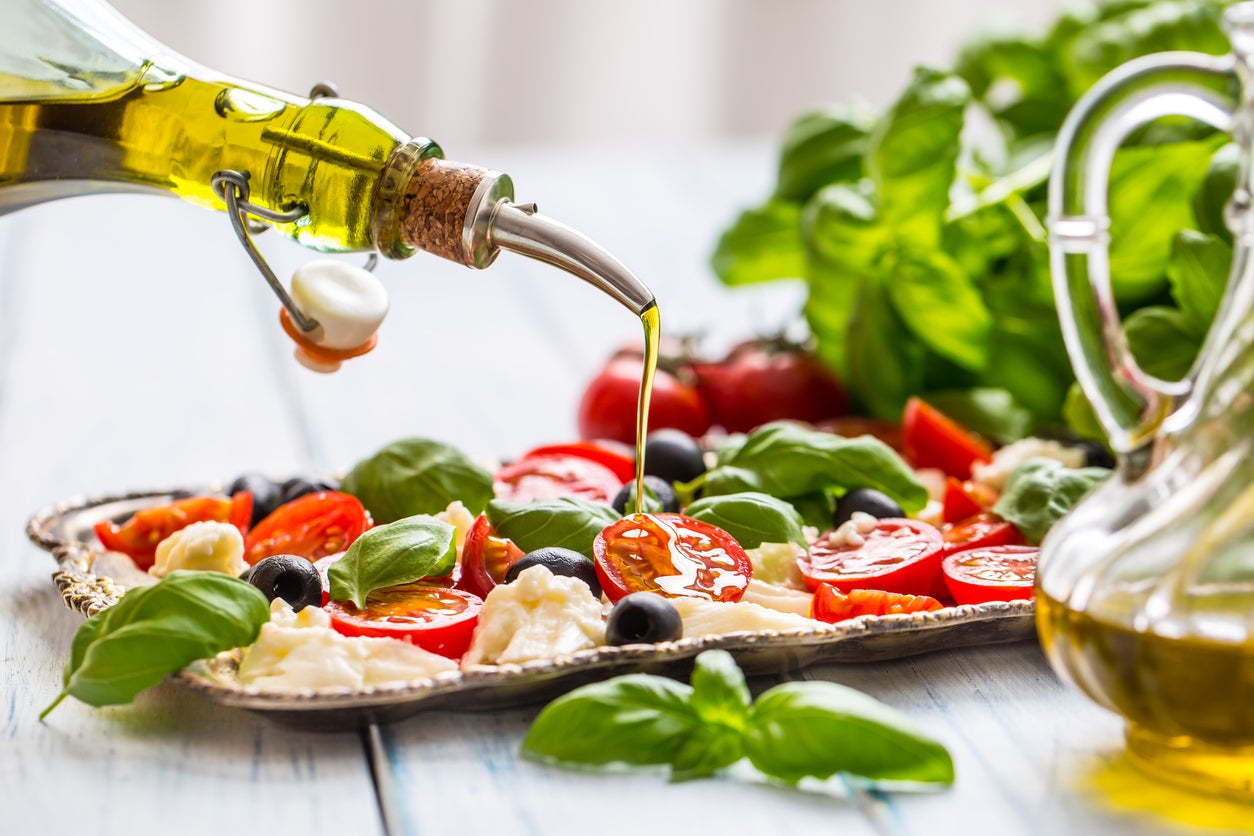
Extra virgin olive oil earns its reputation, just not necessarily by being poured over everything.
Unlike refined olive oil, it retains the flavours and naturally occurring compounds of the fruit: grassy, fruity, buttery or peppery, depending on the bottle. This is what you are paying for.
Use a good one over tomatoes, beans, grilled fish, soup, mozzarella, pasta or vegetables after they have been cooked. Make salad dressing with it. Spoon it over yoghurt. Put it somewhere its flavour has a fighting chance.
The persistent warning that you should never cook with extra virgin olive oil is not particularly useful either. It can be used perfectly safely for ordinary home cooking and is reasonably stable under heat.
The better reason not to use your best bottle for every roasting tray is economic and culinary. Using a £12 grassy, peppery oil to roast potatoes at 200C is not that different from making sangria with vintage Claret: possible, certainly, but economically stupid.
Regular refined olive oil handles hotter cooking well, but currently occupies awkward territory. It is only marginally cheaper than extra virgin while offering much less flavour, and rapeseed will do most of the same cooking jobs for a fraction of the price. And “light” olive oil means lighter in flavour and colour, not calories. Don’t be fooled: nobody has yet managed to diet-proof fat by changing the label.
Sunflower oil: cheap, but not quite the frying king it thinks it is
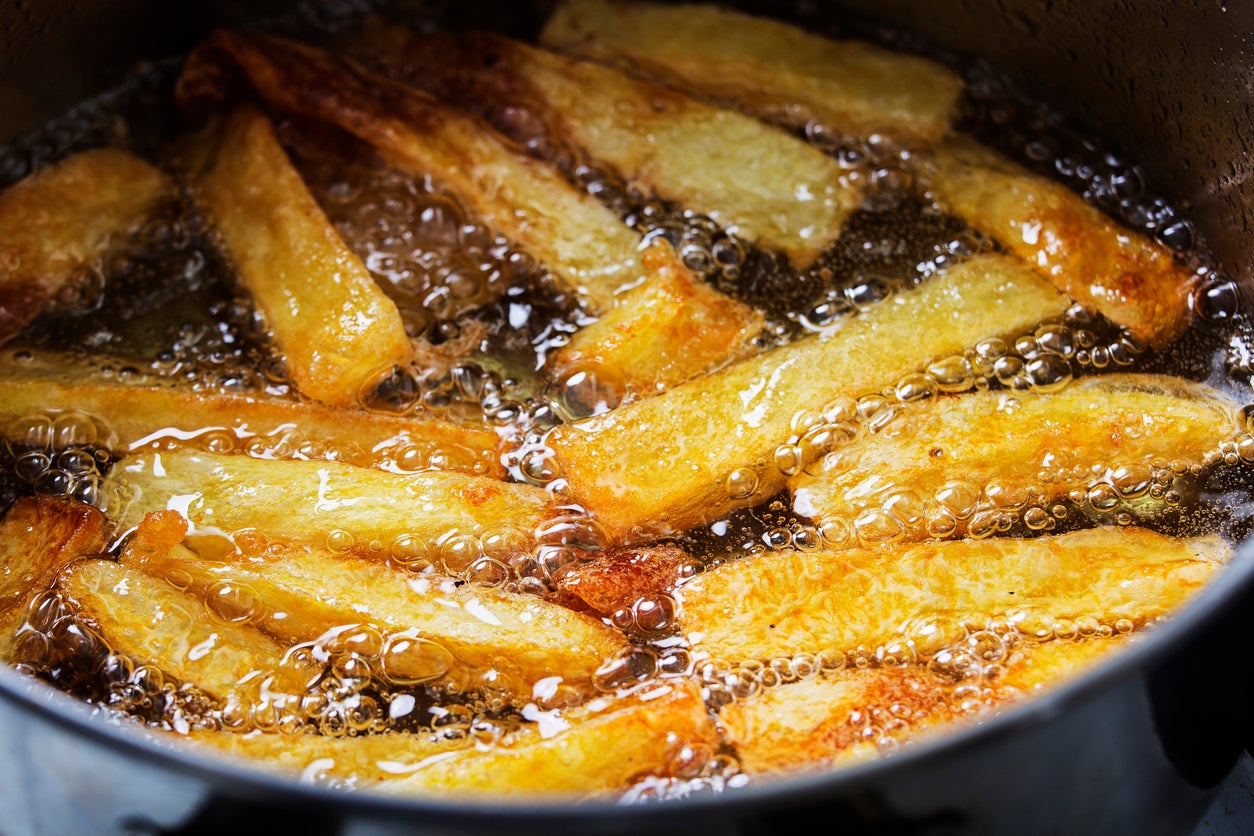
Sunflower oil has spent decades as the default bottle beside British hobs, and for good reason. It’s cheap, virtually flavourless and excellent for baking, mayonnaise and general cooking.
It has also landed squarely inside the seed oil backlash because it is rich in omega-6 fatty acids. Providing you’re not drinking a litre of the stuff in one sitting, there’s no evidence that sunflower oil causes inflammation.
Its reputation as the obvious choice for very high temperatures needs some qualification too. Smoke point is often treated as the final word on whether an oil is good for frying. It isn’t.
Standard sunflower oil is rich in polyunsaturated fats, which are more prone to oxidation during prolonged high-heat cooking. High-oleic sunflower oil is more stable, but for everyday frying and roasting, rapeseed is generally the more versatile choice.
Groundnut oil: for people who know their way around a wok
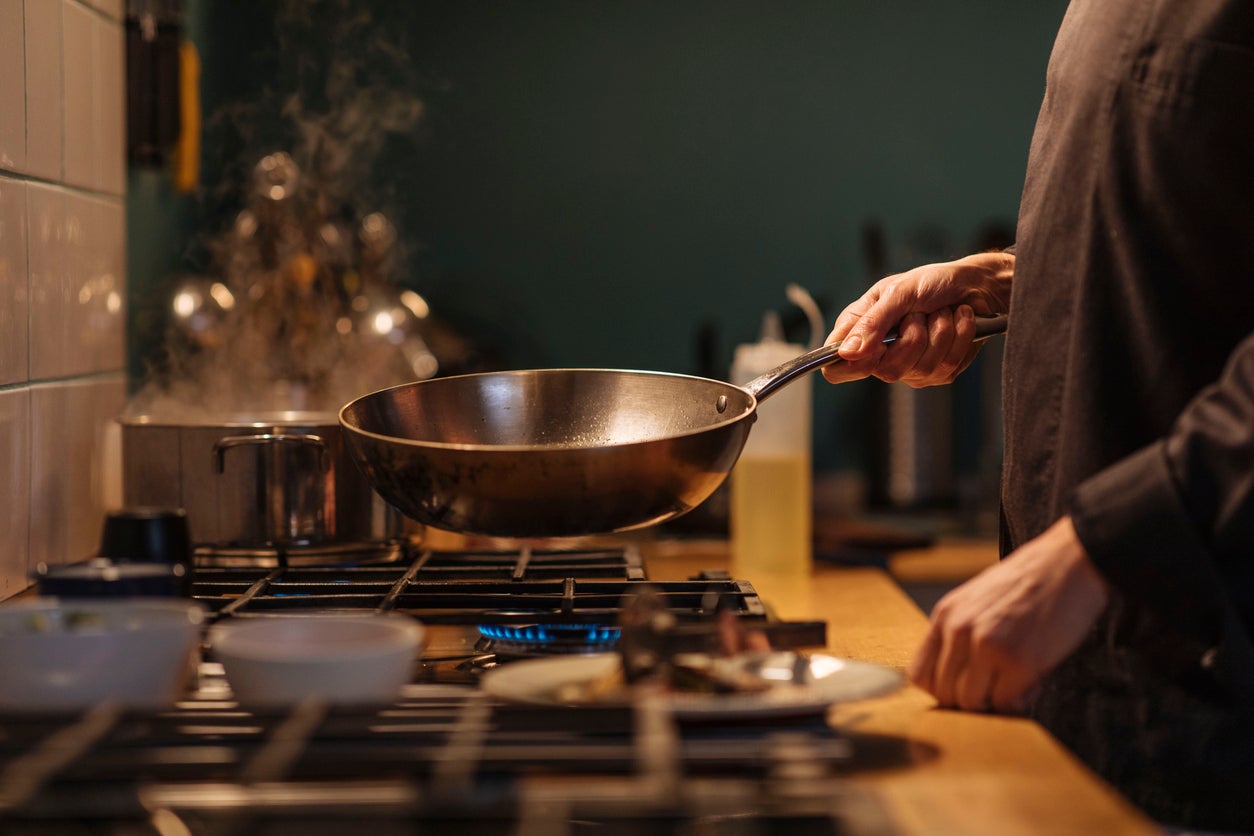
Groundnut – or peanut – oil is rich in monounsaturated fat, relatively stable at high temperatures and excellent for the furious, quick cooking required by a wok.
It has enough character to make sense in Asian cooking without barging into the dish, though refined versions are more neutral. At several times the price of basic rapeseed, it’s more specialist than essential.
If you stir-fry twice a week, fair enough. If the wok emerges every six months, ordinary cooking oil will survive the assignment. Anyone with a peanut allergy should take particular care around unrefined versions.
Avocado oil: very healthy, very expensive, very optional
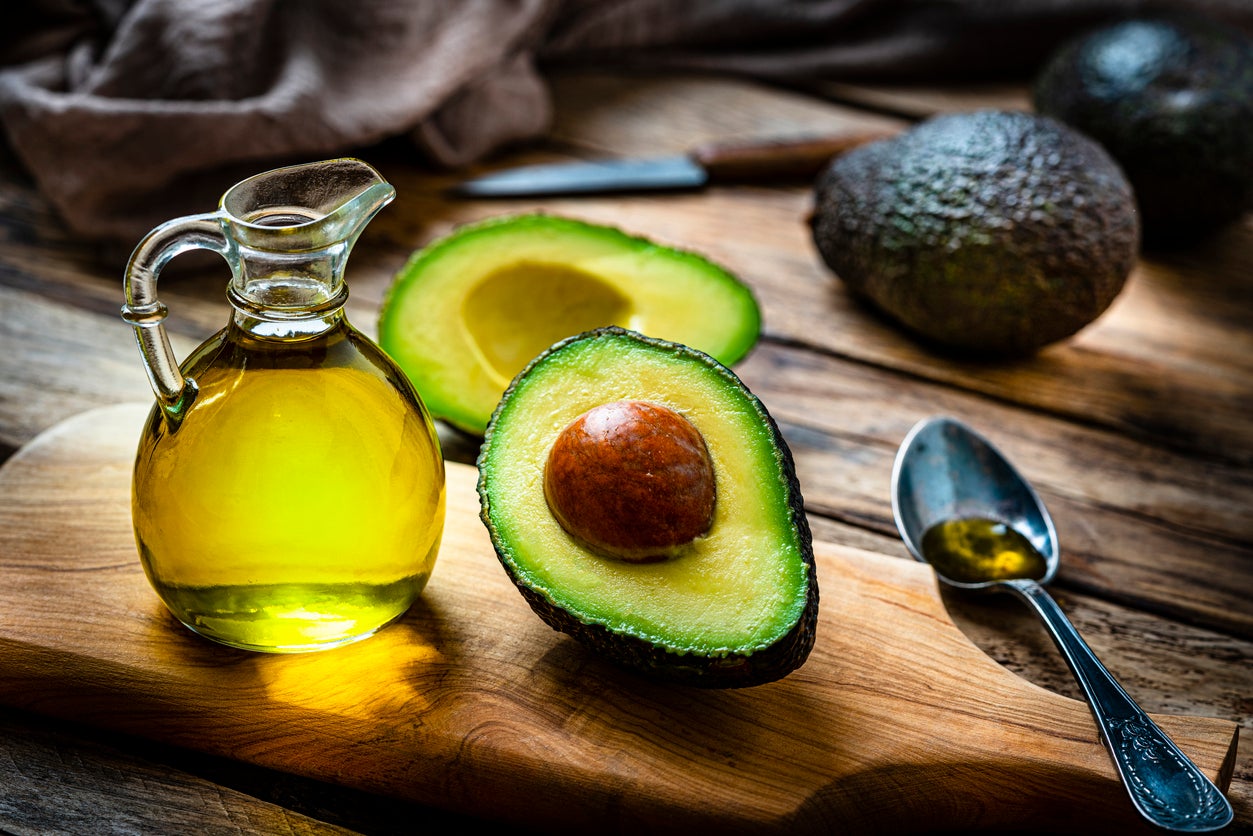
Avocado oil has all the correct modern credentials. It’s high in monounsaturated fat, works well at higher temperatures and is made from avocados, which is apparently enough to add several pounds to anything.
At Tesco, 250ml costs £5.25. The same money would buy more than three litres of vegetable oil.
This doesn’t make avocado oil a bad choice. Its fat profile is perfectly respectable and it works for roasting, frying and drizzling. What it lacks is a compelling reason to pay around 14 times as much per millilitre when rapeseed and olive oil cover much the same ground.
Expensive, minimally processed and attractively bottled do not automatically mean substantially healthier. A cheap refined rapeseed oil does not become nutritionally inferior because avocados photograph better.
Coconut oil: use it if you like coconut
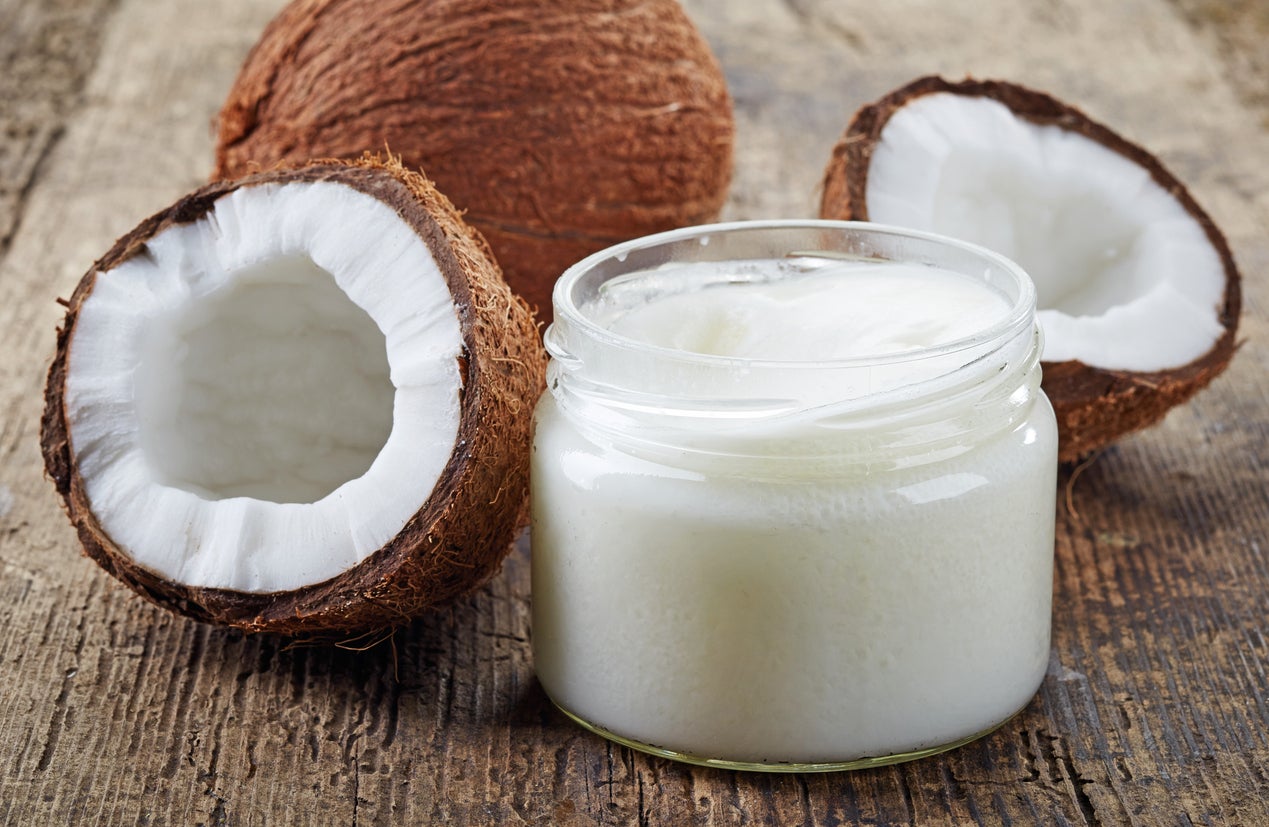
Coconut oil enjoyed an extraordinary health halo during the clean-eating years. The truth is that around 85 per cent of it is saturated fat. It would be healthier to eat a block of butter.
Rapeseed, which arrives in a plastic bottle for £1.49 and has been cast online as industrial poison, is almost completely unsaturated.
That doesn’t mean you should bin the coconut oil. It tastes good in certain dishes, is useful in baking, behaves well under heat and keeps for a long time. It simply makes more sense to think of it like butter: something chosen because it contributes to the dish, not the neutral fat you reach for several times a day. I also wouldn’t recommend spreading it on toast.
Sesame, nut, chilli and flavoured oils: where spending more makes sense
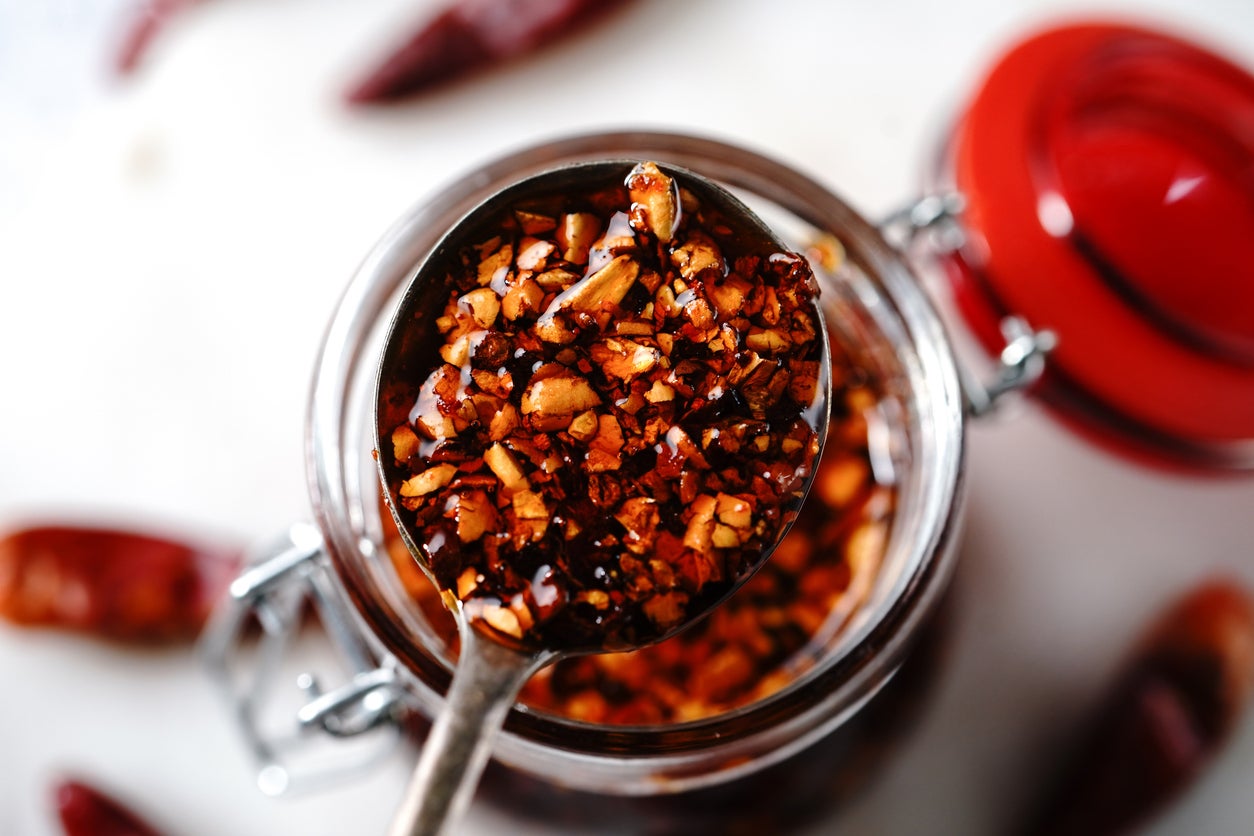
This is the part of the aisle where price per litre becomes a pretty useless measure.
Toasted sesame oil, walnut oil, chilli oil and the various garlic, herb and citrus infusions are not there to cook everything in. They are seasonings for lazy cooks – and that’s not intended as an insult.
A teaspoon of toasted sesame oil can change noodles, fried rice, a dressing or a plate of greens. Walnut oil makes sense in vinaigrettes, over beetroot, lentils or cheese. Chilli oil can rescue eggs, pizza, dumplings, beans or grilled vegetables in seconds.
Because you use them by the spoonful rather than the glug, an expensive small bottle can offer better value than a middling olive oil poured anonymously into every saucepan.
The rule is simple: spend when you are paying for flavour and can actually taste it.
Truffle oil belongs here too, though much of its familiar wallop comes from “flavour compounds” rather than extravagant quantities of truffle, so buy it because you enjoy it, not because the label has persuaded you it’s an investment.
So how many oils does a kitchen actually need?
Probably three. Buy a cheap bottle of refined rapeseed or vegetable oil and let it deal with frying, roasting and the general abuse of weekday cooking.
Keep a decent extra virgin olive oil for dressing and finishing, where spending more has a chance of improving dinner. Add one strongly flavoured oil – sesame, chilli, walnut, whatever you use regularly.
Everything beyond that is only useful if you use it. The better question is not which oil is “best”, but what exactly you are paying it to do.


