


Nearly a year after it was signed, the India-UK Comprehensive Economic and Trade Agreement has officially come into force, opening a new chapter in ties between the two nations at a moment when global trade is being rattled by tariff wars and conflict in the Middle East.
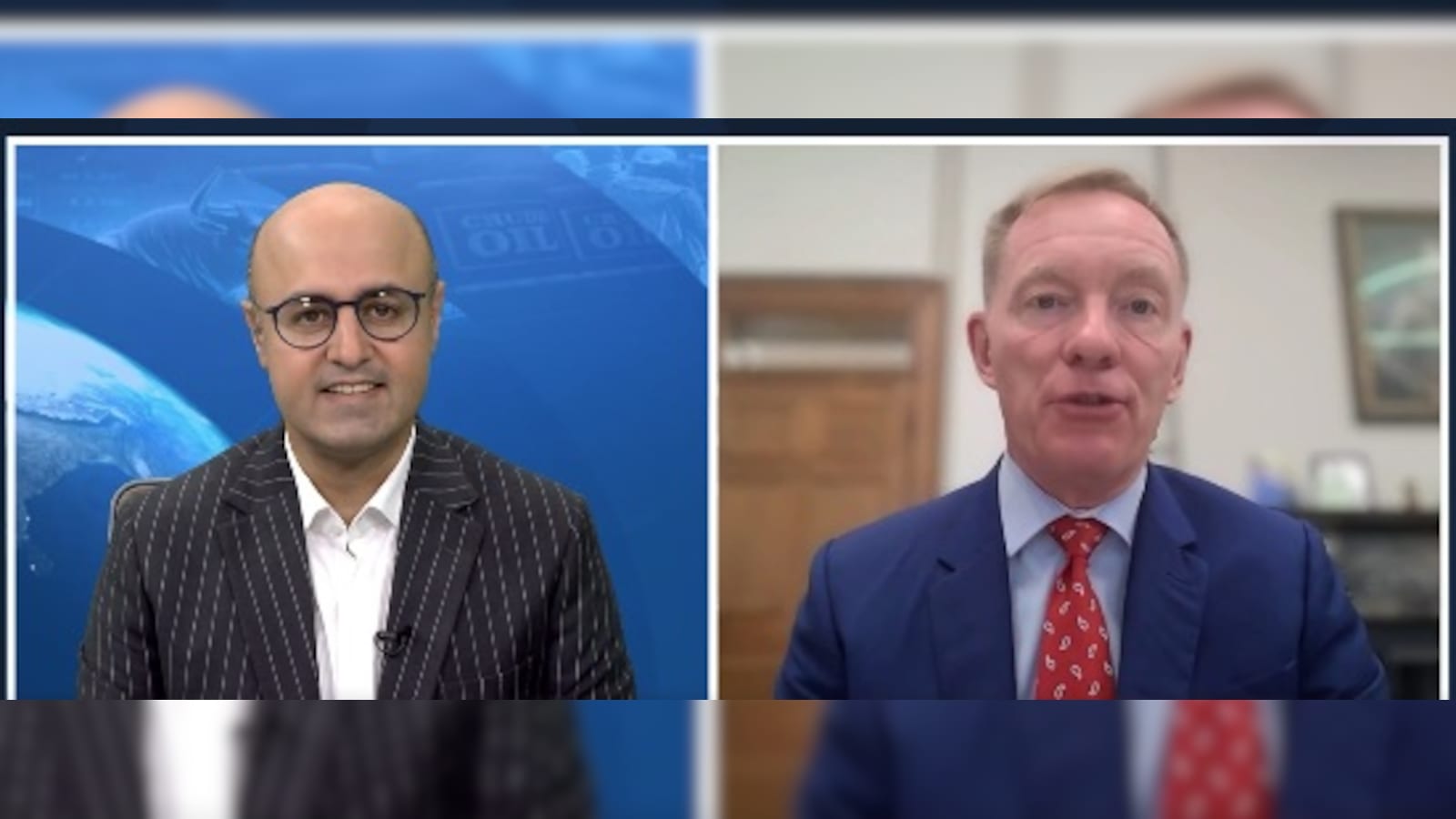
In an exclusive conversation with NDTV, UK Minister for Trade Policy Chris Bryant said the deal marks the quickest turnaround the UK has ever managed between signing an agreement and bringing it into effect, a sign, he said, of the energy and determination on both sides to get it done.
“This is the fastest we’ve ever gone from signing a deal to actually bringing it into force,” Bryant said, crediting the work put in by negotiators in both Delhi and London.
The headline numbers are striking. Tariffs on Scotch whisky are tumbling from 150 per cent to 75 per cent immediately, with further cuts to come over the next few years. Duties on automobiles and beauty products are being slashed from 22 per cent to zero, a move Bryant said would let British cosmetics brands reach far deeper into India’s consumer market. On the Indian side, exporters stand to gain heavily too, with duties as high as 70 per cent on processed food and 21.5 per cent on marine products being cut sharply, alongside gains expected in textiles and leather.
Bryant was candid that the road to the finish line was not smooth. Asked about negotiating with his counterpart Piyush Goyal, whom Donald Trump has often described as a tough bargainer, Bryant did not pretend otherwise. “Every single time you’re trying to get to a final agreement, the last few days and weeks are difficult,” he said, adding that both sides drove a hard bargain until the end. The prize, he said, is trade growth of roughly 25.5 billion pounds a year between the two economies.
The minister also pushed back firmly on suggestions that the deal’s double contribution convention, which exempts Indian workers and employers from UK social security payments for three years and is expected to save Indian firms close to 4,000 crore rupees, could become a backdoor for undercutting British wages or loosening immigration rules. “It’s not a backdoor for additional immigration,” Bryant said, calling the arrangement a logical extension of similar deals the UK already has with many other countries. He argued it simply prevents temporary workers from paying into two social security systems at once.
On dairy, one of the most politically sensitive parts of any India trade negotiation, Bryant defended India holding the line while acknowledging the frustration among British farmers. He said UK food standards and animal welfare rules, not tariffs, are often the real barrier for dairy imports into Britain, and pointed instead to opportunities opening up for Welsh lamb exporters, whom he said were eager to make use of this deal alongside recent agreements with the Gulf, Switzerland, and a new US quota on British beef.
Pressed on why the agreement’s provisions on services, an area where Britain has deep strength in finance, law and accountancy, appeared limited, Bryant admitted London could not secure everything it wanted. He pointed specifically to Indian legal services, which remain protected as what he called a noble profession under Indian regulation. He said built-in review mechanisms would allow both sides to revisit gaps in future years.
Asked to place the deal within the wider churn of global trade, from Trump’s tariffs to the blockage in the Strait of Hormuz where an Indian seafarer was killed in an attack on commercial shipping this week, Bryant said predictability is now the scarcest commodity in international commerce. “Everybody likes predictability when it comes to making major investments,” he said, warning that a closure of the Strait of Hormuz would be a major shock to economies far beyond the Gulf, including both Britain and India.
Bryant framed the Free Trade Agreement as part of a broader argument for what he called the rules-based order, at a time when protectionist instincts are rising in several major economies. He suggested the India-UK deal, sealed before the European Union’s own agreement with India, effectively showed the path that others followed. With trade ties between London and Delhi now formally unlocked, both governments will be watching closely to see how quickly businesses on the ground turn tariff cuts and easier customs rules into real commercial gains.



