


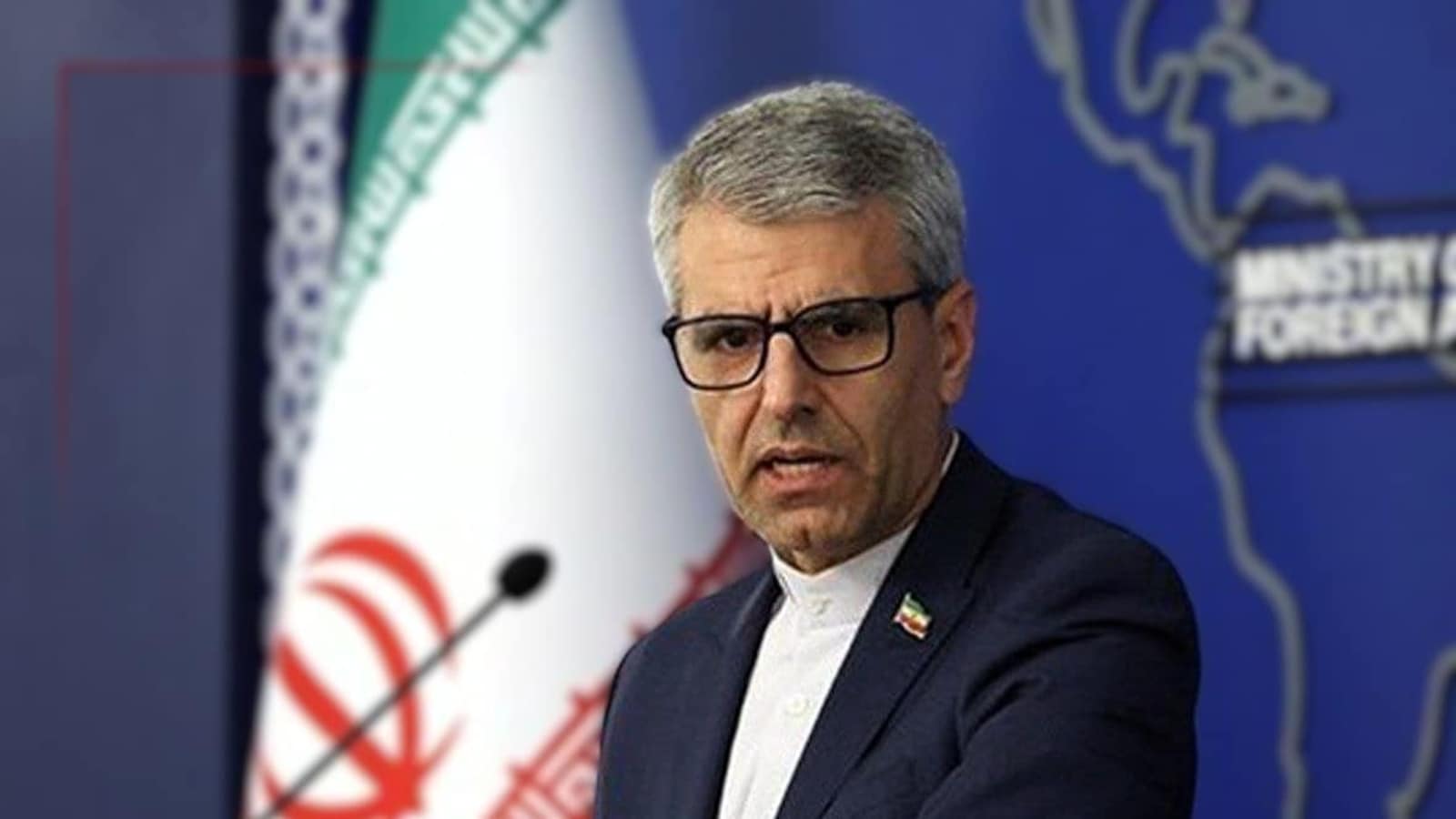
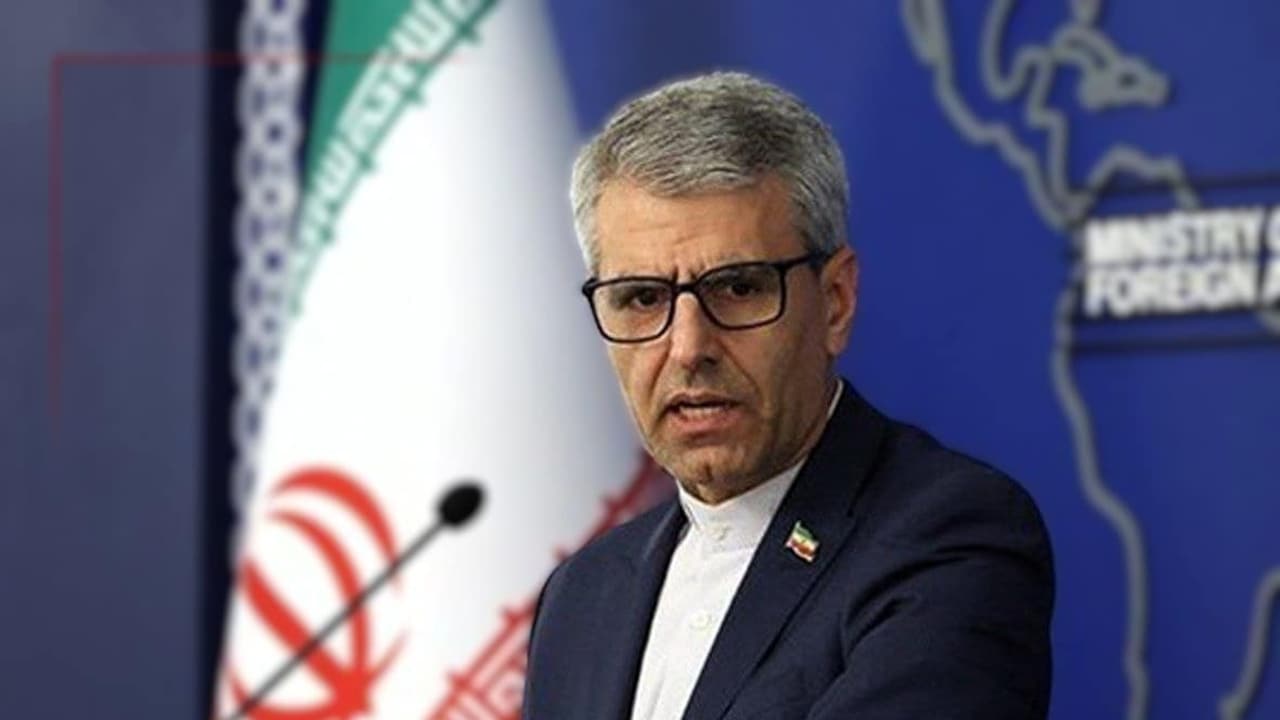
Iran has tempered expectations of an imminent signing of the Islamabad memorandum, with Tehran’s Foreign Ministry saying the agreement will not be formally signed on Sunday, state media received.
Earlier, Pakistani Prime Minister Shehbaz Sharif declared a historic US-Iran peace deal was closer than ever and could be finalised within 24 hours.
Iranian Foreign Ministry spokesperson Esmaeil Baghaei said on Saturday that the exact timing of the signing would not fall on Sunday, according to state media.
While Baghaei did not rule out the possibility of the memorandum being signed in the coming days, he urged caution on any comment regarding the date, citing “hesitation of the other side.”
The statement from Tehran stands in contrast to the buoyant tone struck by Sharif in a post on X on Saturday.
“We are closer to a peace deal than ever before,” the Pakistani Prime Minister wrote. “With finalisation likely expected in the next 24 hours, Pakistan is preparing for the electronic signing of the peace deal immediately after, followed by technical-level talks next week.”
Sharif also credited all parties involved in the negotiations, writing: “We would like to thank the United States of America and the Islamic Republic of Iran for their ongoing commitment during the negotiations, and we extend our sincere appreciation to our brothers in the region for their support. We are confident that this historic peace deal will form a strong foundation for lasting peace.”
ALSO READ: US-Iran Deal Finalisation In Next 24 Hours, E-Signing To Follow Immediately, Says Pakistan PM
We are closer to a peace deal than ever before. With finalisation likely expected in the next 24 hours, Pakistan is preparing for the electronic signing of the peace deal immediately after, followed by technical level talks next week.
We would like to thank United States of…
— Shehbaz Sharif (@CMShehbaz) June 13, 2026
Pakistan has positioned itself as a key facilitator of back-channel diplomacy between Washington and Tehran, with Islamabad emerging as the proposed venue and signatory location for any eventual agreement.
The Islamabad memorandum, if signed, would represent the first formal framework toward ending hostilities between the United States and Iran following months of military escalation in the region. Tehran’s reference to “hesitation of the other side” suggests gaps remain even as all parties project cautious forward movement.
According to reports from Iranian state media, Tehran intends to retain full operational control over the strategic Strait of Hormuz, a vital global energy chokepoint, and will continue to insist on its sovereign right to enrich uranium, among other core demands.
The situation remains fluid, with further developments expected in the coming days.
ALSO READ: Iran’s Ex-Supreme Leader Ali Khamenei To Be Buried In Mashhad On July 9; Funeral Details Released
Essential Business Intelligence,
Continuous LIVE TV,
Sharp Market Insights,
Practical Personal Finance Advice and
Latest Stories — On NDTV Profit.



