


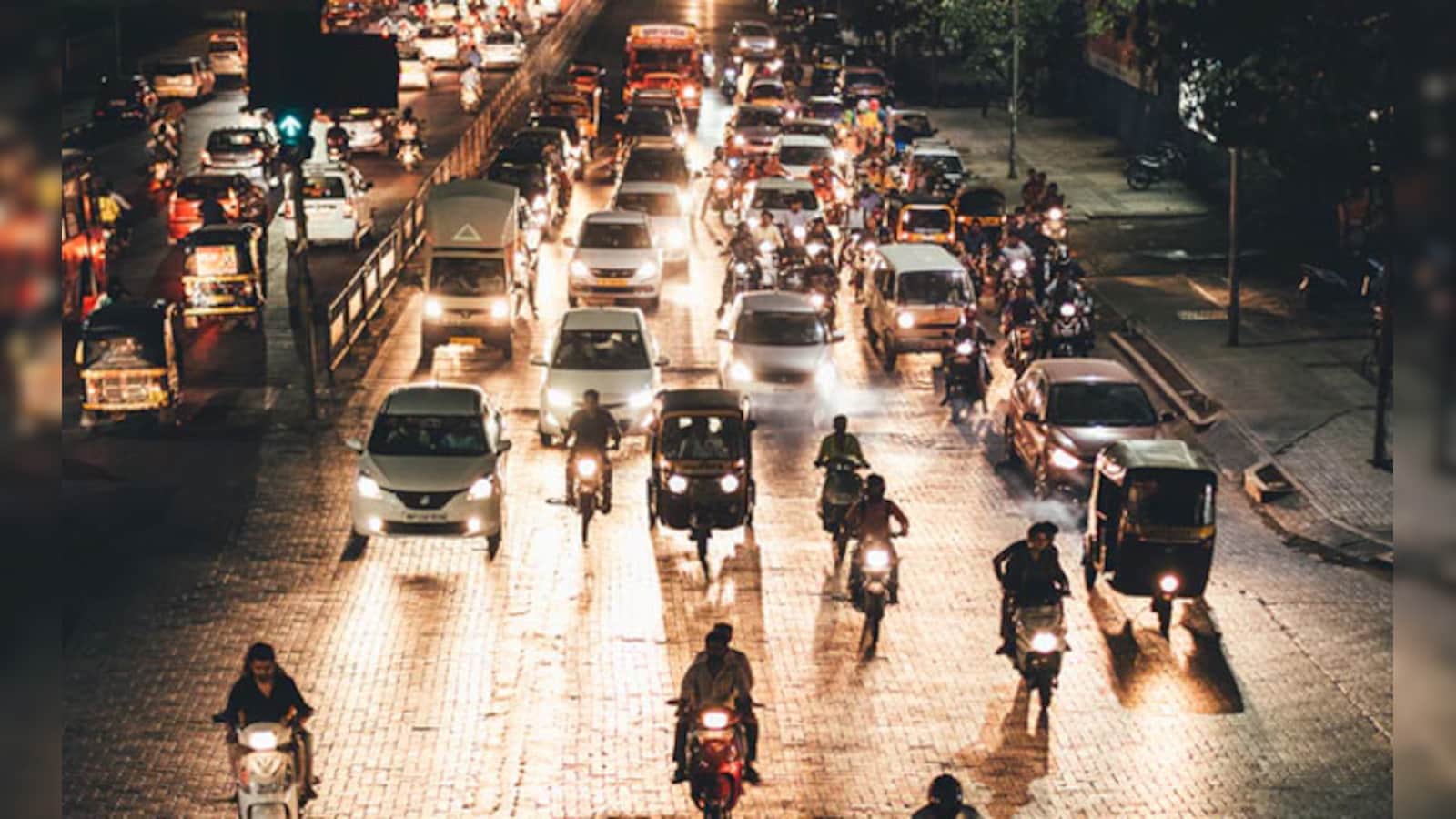
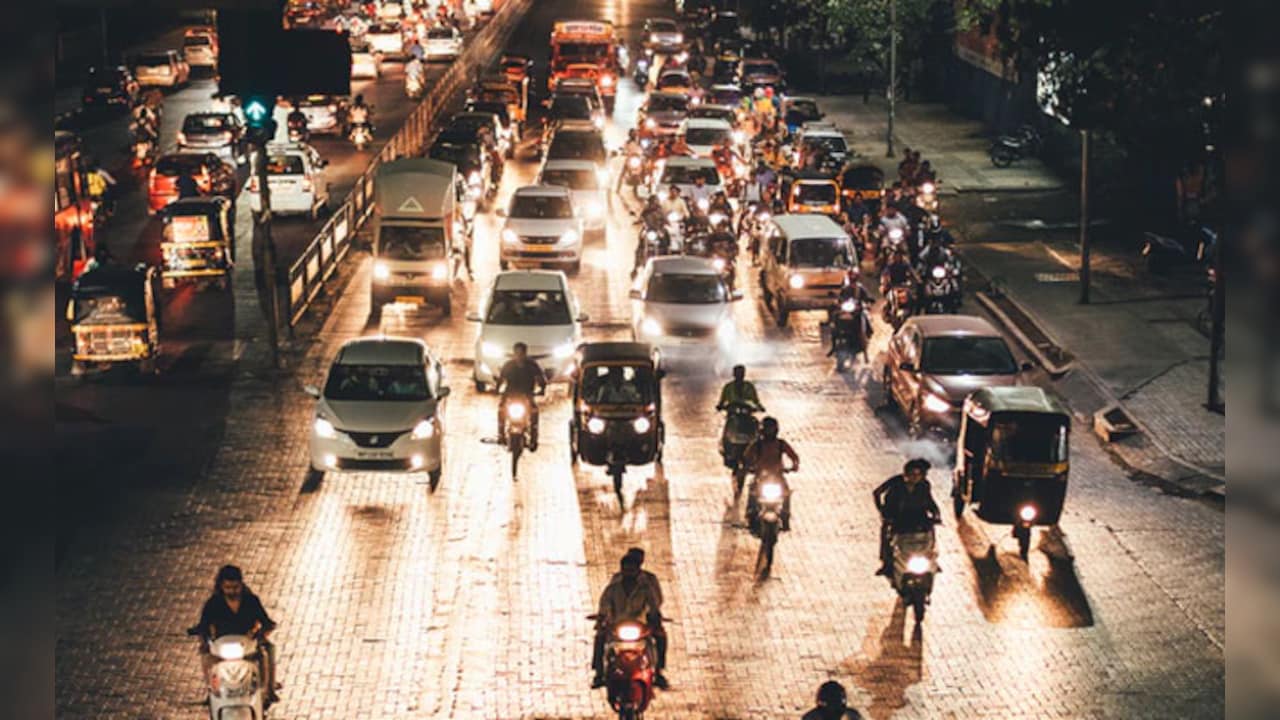
The Mumbai Metropolitan Region Development Authority (MMRDA) has launched a first-of-its-kind experiment: a weekly ‘Public Transport Day’ in Bandra-Kurla Complex (BKC) every Friday.
Nearly two lakh professionals who work in the business district will be encouraged to commute by train, metro and bus instead of using private vehicles, as authorities look to ease traffic jams, improve mobility and cut BKC’s carbon footprint.
The campaign already has in-principle backing from around 90 companies and organisations, big and small, based in BKC. The aim is to slowly change how people travel to one of India’s busiest commercial hubs. Car-free Sundays are common in global cities such as Bogotá, Mexico City, Jakarta and Manila, but officials say BKC’s weekly Public Transport Day is unique because it focuses specifically on a corporate business district.
Public Transport Day from June 12
From this week, employees working in BKC are being strongly urged to use public transport every Friday. The move has been led by the MMRDA, working along with BEST, Mumbai Metro Rail Corporation Limited (MMRCL), the Traffic Police, auto‑rickshaw unions and WRI India.
MMRDA has already instructed its own workforce of around 2,000 employees and contractual staff to follow the initiative. The programme will run on a pilot basis for at least three to four months, during which officials will track what works, identify problem spots and make changes week by week.
The end of week allows the experiment with the timetable.
Friday was chosen on purpose. Officials point out that office attendance and schedules are usually more relaxed at the end of the week, so employees may be more open to trying out public transport. Monday, on the other hand, is seen as a high-pressure day with stricter timings, making people less willing to leave their cars at home.
ALSO READ: NSE Leases Two BKC Plots From MMRDA: Area, Deal Value And Key Details
The plan is based on recent surveys and consultations with stakeholders in BKC. In these discussions, 82% of commuters said they were open to shifting to public transport if it became more reliable, convenient and better connected. The main worries people raised were about last‑mile connectivity from Aqua Line metro stations into BKC, the comfort and safety of walking inside the business district, the lack of shade for pedestrians, and the need for more frequent BEST buses. Addressing these gaps will be key to turning Public Transport Friday from an experiment into a lasting habit.
The last mile is still problematic
“Getting out of the metro station is fast, but finding a shared auto or a feeder bus to cover the remaining one to two kilometres inside BKC is a daily nightmare,” an executive working at a top financial firm told HT. “If last-mile connectivity isn’t seamless, people will naturally default back to their cars. There is a need for robust bus services wherein the frequency is 5-10 minutes from the present 20-25 minutes.”
An MMRDA official told HT, “There are issues of last-mile connectivity in BKC and so 52% of people coming to BKC still rely on personal cars, taxis, and auto-rickshaws. Furthermore, over half of the 200,000 workforce in BKC spends more than two hours commuting daily. We will also hold discussions with the auto-rickshaw unions to ensure that this plan works.”
Essential Business Intelligence,
Continuous LIVE TV,
Sharp Market Insights,
Practical Personal Finance Advice and
Latest Stories — On NDTV Profit.



, working along with BEST, MMRCL.)