


Fox nuts, commonly known as makhana, are not a traditional snack anymore. You can find them in trail mixes, flavoured snack and even breakfast bowls. But the love for this snack goes in much deeper parts of India where it has been cultivated for generations. One state in India has become so closely associated with makhana production that it is emerging as an important name in the global market. Let’s find out more about this Indian state and why it stands out.
Also Read: This High-Protein Chaat Packs 25g Protein In Just 350 Calories
Bihar Is Widely Known As The Makhana Capital Of The World
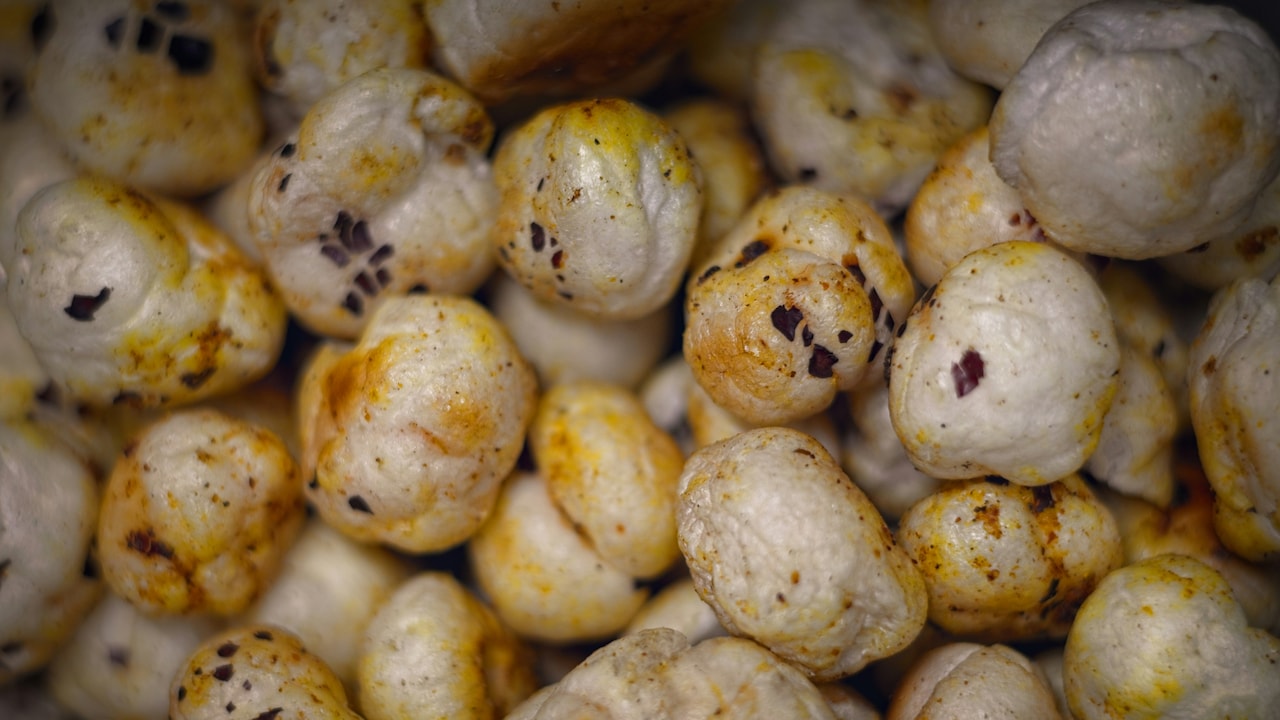
Photo: Unsplash
Bihar is known as the country’s biggest makhana hub and widely regarded as the Makhana capital of the world. The state accounts for nearly three-fourths of India’s makhana production and around 80-85 per cent of the global supply, according to Press Information Bureau.
In 2025-26, Bihar’s makhana production was approximately at 60,000 metric tonnes, compared with 80,590 metric tonnes for India as a whole.
Much of the cultivation is from north Bihar, particularly around the Kosi basin and the Mithila and Seemanchal regions. Supaul, Saharsa and Madhepura are among the important growing areas, while Katihar, Purnia, Madhubani, Darbhanga, Araria and Sitamarhi are also major producing districts.
Makhana is an aquatic crop that grows in ponds, wetlands and other shallow water bodies. The edible seed is processed and popped to make the familiar white, crunchy snack. In Bihar, however, it is much more than a packaged health food. Cultivation, harvesting and processing have traditionally been part of the rural economy, particularly in the Mithila region.
Mithila Makhana Has A GI Tag
The connection between the crop and the region is also recognised through a Geographical Indication tag. Mithila Makhana was registered as a GI product in August 2022. The registration recognises the product’s unique quality, reputation and traditional knowledge associated with its production in the Mithila region.
Darbhanga is also home to the ICAR-National Research Centre for Makhana, established in 2002. The institute is dedicated to research and development around makhana and has worked on improving cultivation, productivity and processing.
The crop is now also getting a push beyond traditional farming. The National Makhana Board was constituted in Bihar in 2025, while the Centre has approved a ₹476.03-crore scheme for the development of the makhana sector between 2025-26 and 2030-31. The focus includes better seeds, cultivation, processing, branding and exports.
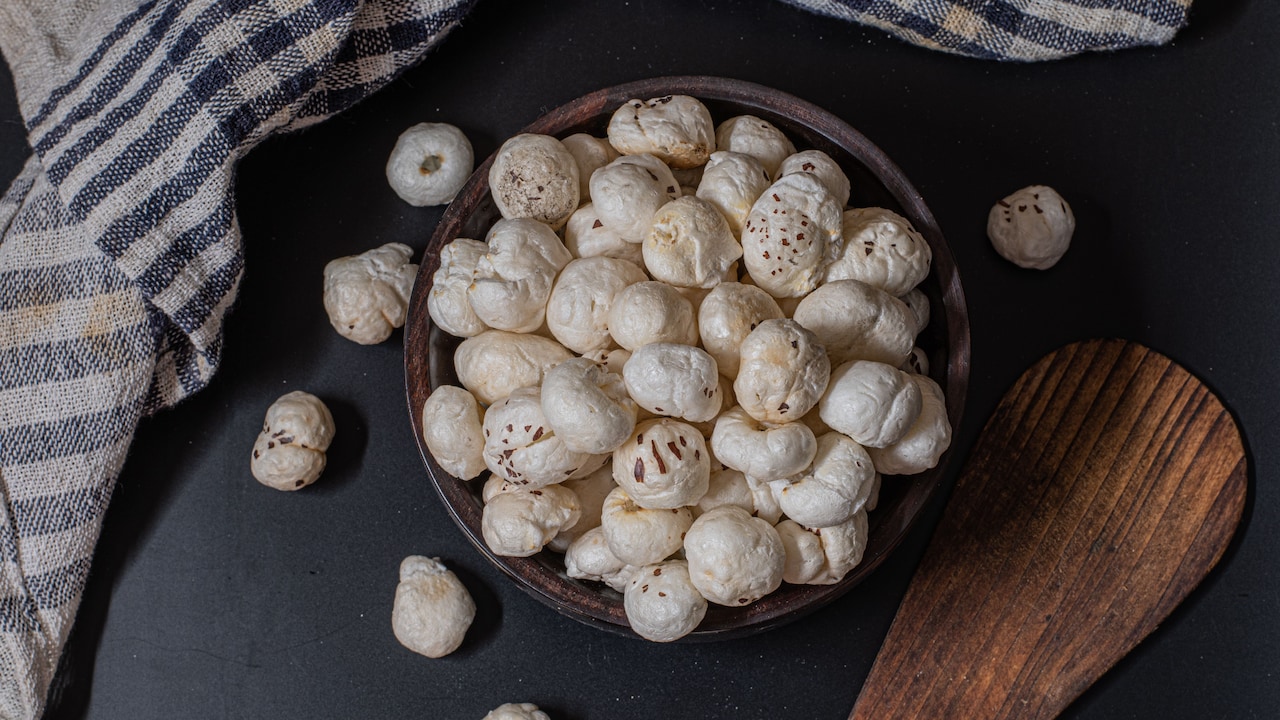
Photo: Pexels
Also Read: Two Gen Z Friends Quit Their Jobs To Sell Pickles, Build Rs 81 Crore Startup
Bihar’s Makhana Is Reaching Global Markets
The growing demand is not limited to India. In August 2026, the Agricultural and Processed Food Products Export Development Authority facilitated the first commercial sea shipment of GI-tagged Mithila Makhana to Australia, with 18 metric tonnes sourced from farmers in Darbhanga.
So while makkhhana may now be associated with modern snacking and health-conscious diets, its strongest roots remain in Bihar.


