


For diabetics, the biggest struggle is usually choosing what to eat in order to stay healthy. And in an Indian diet, it could be difficult to imagine a meal without roti. Since it is such a regular part of daily eating, many people think that they need to give it up completely after a diabetes diagnosis. But that is not always the case. The type of flour used to make roti can make a huge difference. Some choices actually give you more fibre and protein, which is why experts usually recommend them. If you are someone who has diabetes, here are four rotis that Udaipur-based nutritionist and health coach Dr Ridhima Khamesra, founder of Ridhima Khamesra’s Diet Clinic recommends.
Also Read: 5 Ways To Use Leftover Butter Chicken Gravy At Home
Here Are 4 Rotis That May Be Better For People With Diabetes
As per Dr Khamesra, removing rotis from your diet is never the answer. Instead, choose the one with low GI and good fibre. Here are the options she recommends:
1. Jau (Barley) Roti
Barley is particularly interesting because it contains beta-glucan, a type of soluble fibre. This fibre can slow digestion and the absorption of glucose. A 2026 systematic review of 31 controlled trials found that barley consumption reduced early post-meal blood glucose and insulin responses, although it did not significantly change fasting glucose or HbA1c in the long term.
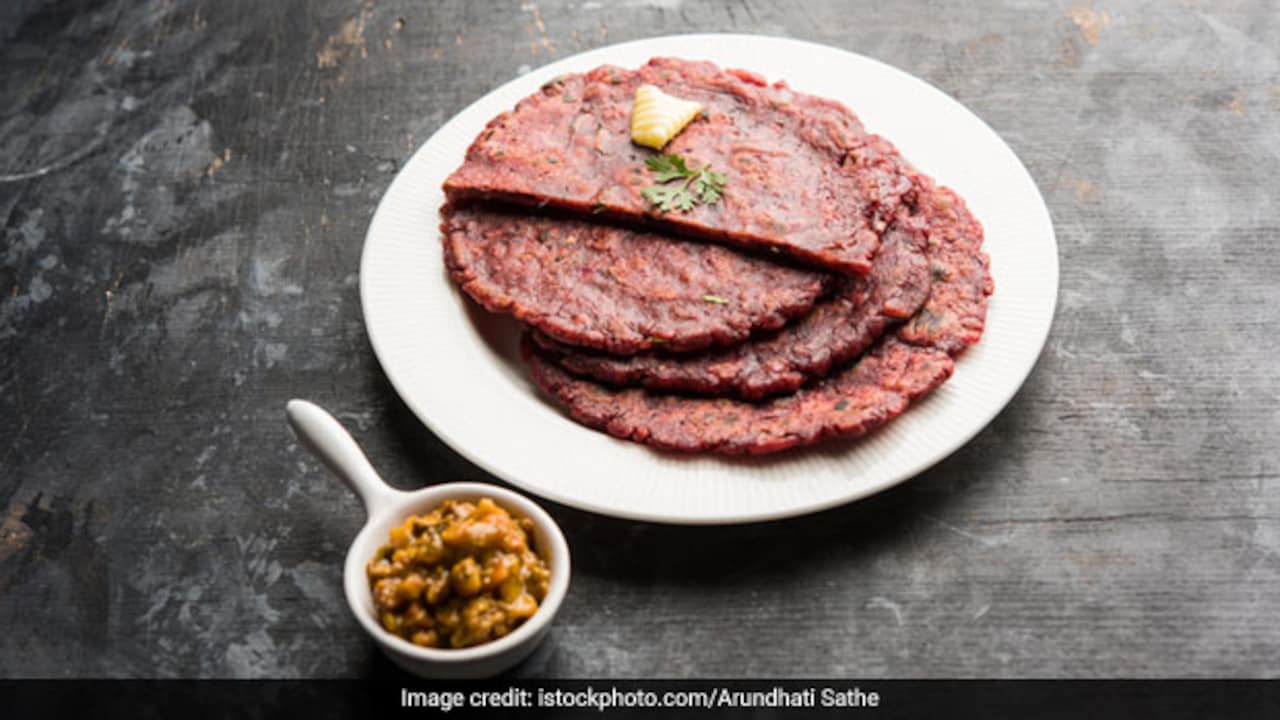
2. Whole-wheat roti
Khamesra recommends whole wheat made with wheat plus bran. Keeping the bran means retaining more of the grain’s natural fibre rather than using refined flour. Research has linked higher fibre intake with improvements in measures such as fasting blood glucose in people with diabetes.
3. Millet Roti
Jowar, bajra and ragi are the millet options suggested by Khamesra. Research suggests that millets generally have a lower GI than refined wheat and rice, although the response varies between different millets and cooking methods. A recent review also found that millet-based foods may improve glycaemic responses in people with type 2 diabetes.
4. Besan Roti
Besan, or gram flour, comes from chickpeas and provides both protein and fibre. Studies on chickpeas have found lower post-meal glucose responses compared with some carbohydrate-matched foods, although the evidence is not strong enough to suggest that every besan preparation will have the same effect.
Also Read: How To Keep Wooden Spoons And Spatulas Clean And Long-Lasting
Why Fibre And GI Matter
Fibre is important because it can slow the digestion and absorption of carbohydrates. A systematic review of people with diabetes found that increasing fibre intake was associated with improvements in glycaemic control, including HbA1c and fasting blood glucose.
GI, meanwhile, describes how quickly a carbohydrate-containing food raises blood glucose compared with a reference food. Choosing lower-GI carbohydrate sources may help reduce sharper rises in blood sugar, but GI is not the only thing that matters. Portion size, preparation and the other foods eaten with the roti also influence the overall meal.
So, rather than removing roti completely, choosing a flour that offers more fibre and a potentially slower blood-glucose response can be a more practical approach. As Khamesra points out, the focus should be on the kind of roti you choose, not simply on avoiding roti altogether.
Disclaimer: This content including advice provides generic information only. It is in no way a substitute for qualified medical opinion. Always consult a specialist or your doctor for more information. NDTV does not claim responsibility for this information.


