


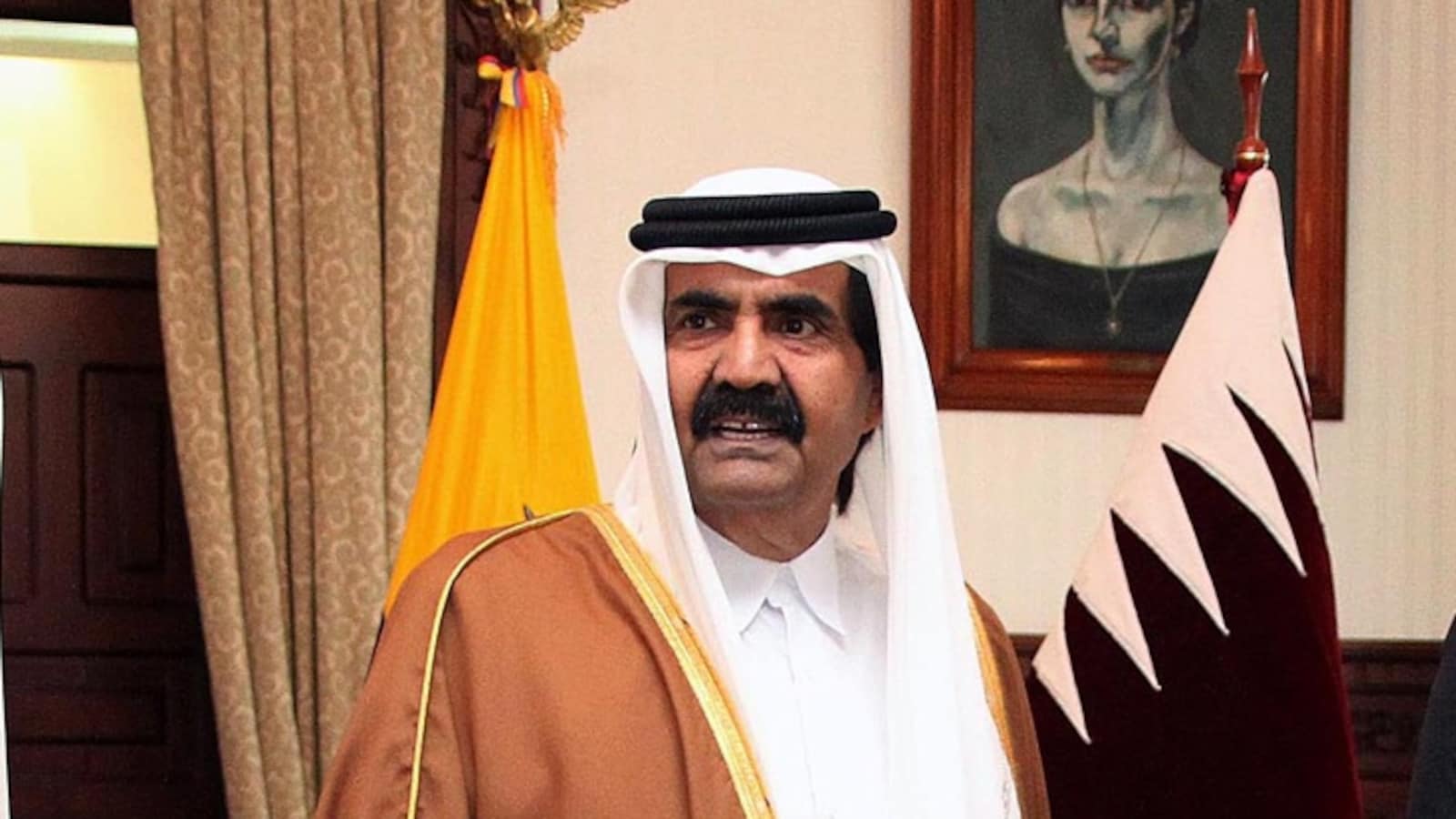
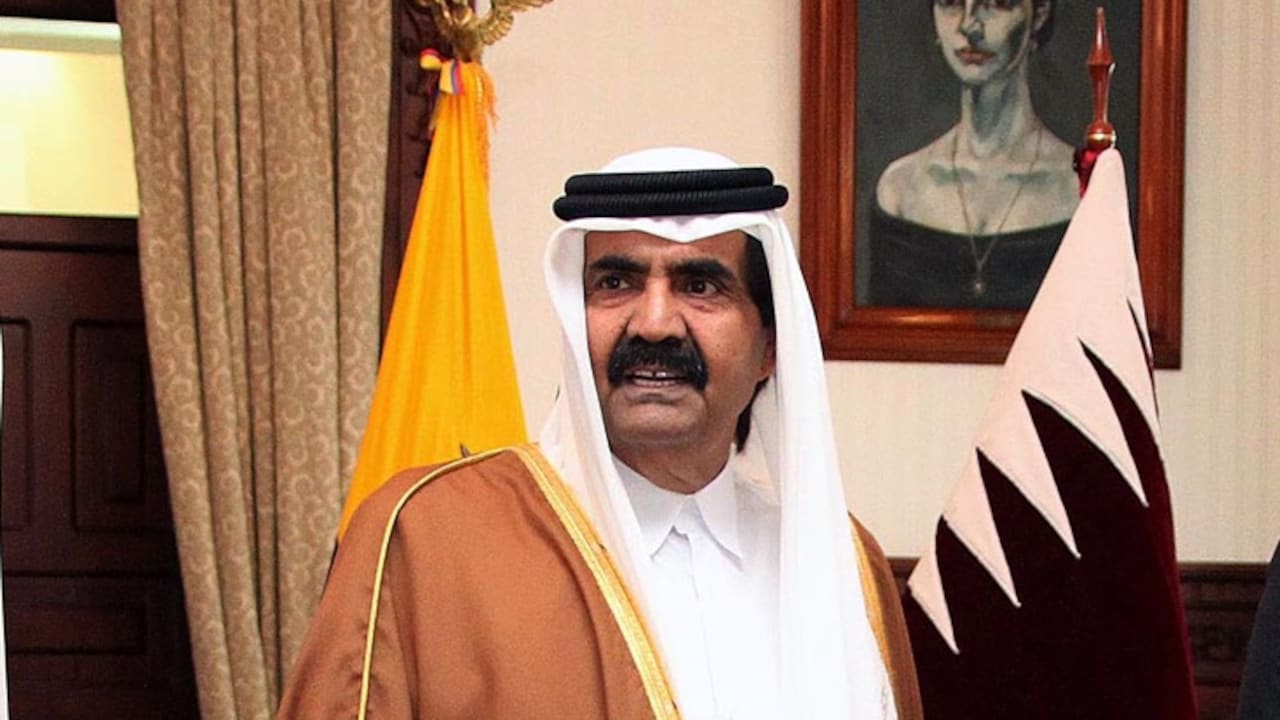
Qatar’s former Emir, Sheikh Hamad bin Khalifa Al Thani, who transformed the small Gulf nation into one of the world’s wealthiest countries by harnessing its vast natural gas reserves, died on Sunday at the age of 74. The Amiri Diwan, Qatar’s royal court, announced his death in a post on X on July 12. No cause of death was disclosed.
Born in Doha on Jan. 1, 1952, Sheikh Hamad studied at Britain’s Royal Military Academy Sandhurst before joining the Qatar Armed Forces in 1971. He was appointed Crown Prince in 1977 and gradually assumed responsibility for key state functions, including overseeing the country’s oil and natural gas sector.
In June 1995, he seized power in a bloodless coup while his father, Sheikh Khalifa bin Hamad Al Thani, was abroad in Switzerland. According to historian Allen Fromherz’s Qatar: A Modern History, Sheikh Hamad ordered military units to secure key government buildings after his father attempted to reclaim some of his powers. Attempts to reverse the takeover later failed.
ALSO READ | Sheikh Hamad, Leader Who Made Qatar One Of Richest Nations, Dies
He remained Emir until 2013, when he voluntarily handed power to his son, Sheikh Tamim bin Hamad Al Thani, marking one of the Gulf’s rare peaceful transfers of power.
Qatar exported its first LNG cargo in 1996, just a year after he assumed power. Over the following decade, the country’s massive North Field gas reserves were aggressively developed, turning Qatar into the world’s leading LNG exporter.
According to World Bank data, Qatar’s economy expanded from a relatively modest size to nearly $199 billion by 2013, growing more than 20-fold during Sheikh Hamad’s rule.
In 2005, Qatar established the Qatar Investment Authority (QIA), which later became one of the world’s largest sovereign wealth funds. Under the leadership of Sheikh Hamad’s close adviser, Sheikh Hamad bin Jassim bin Jaber Al Thani (HBJ), the fund acquired stakes in global companies including Barclays Plc and Volkswagen AG, while also purchasing London’s iconic Harrods department store after the global financial crisis.
Sheikh Hamad also invested heavily in education, inviting leading American universities including Georgetown University, Carnegie Mellon University and Texas A&M University to establish campuses in Qatar’s Education City.
His administration approved Qatar’s first permanent constitution, ratified through a referendum in 2004, and introduced the country’s first municipal elections in 1999, moves viewed as limited but significant political reforms for the Gulf region.
ALSO READ | Who Was Lindsey Graham? The Trump Ally Who Championed Tough Action Against Iran, Dies
One of Sheikh Hamad’s most consequential decisions came in 1996, when Qatar extended a $500 million loan to establish Al Jazeera. The Doha-based broadcaster went on to become one of the Arab world’s most influential media organisations, gaining international prominence for its coverage of regional politics while frequently challenging governments across the Middle East.
Sheikh Hamad pursued an independent foreign policy that often distinguished Qatar from its larger Gulf neighbours. He hosted the largest US military air base in the Middle East while maintaining working relations with Iran. Qatar also maintained contacts with Israel before the 2009 Gaza conflict, even as it cultivated close ties with Hamas.
Sheikh Hamad also laid the groundwork for Qatar’s successful bid to host the 2022 FIFA World Cup, making it the first Arab nation to stage football’s biggest tournament. The event showcased decades of investment in infrastructure, transport and global branding that began during his reign.
Essential Business Intelligence,
Sharp Market Insights,
Practical Personal Finance Advice, Daily Fuel, Gold and Silver Prices and Latest Stories — On NDTV Profit.



