


Aloo sabzi is one of those foods that often tastes even better the next day. The spices settle in, the flavours deepen and it makes for a quick meal with roti, paratha or even bread. But there is one problem I keep running into. The moment I reheat it, the sabzi often loses its soft texture. The potatoes become dry, the masala sticks to the pan and the whole dish feels less appetising than it did the day before. After ruining enough leftovers, I decided to test a few different reheating methods to find out which one actually works.
Also Read: Why Does Homemade Curd Turn Sour Overnight? I Tested Where And How To Set It
Test 1: Reheating It Directly In A Pan
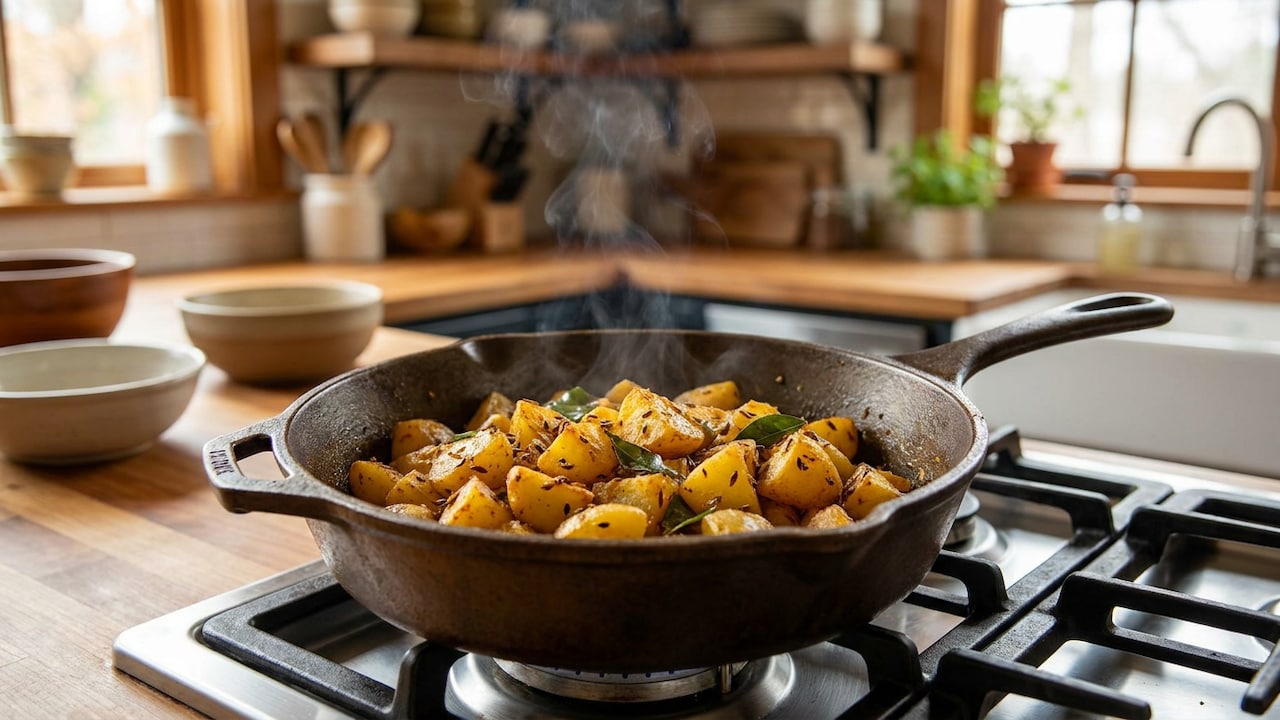
This is probably what most of us do.
What I Did
I took the leftover aloo sabzi straight from the fridge, added it to a hot pan and reheated it over medium heat.
What Happened
The sabzi warmed up quickly, but the potatoes became noticeably drier. Some pieces even started sticking to the pan.
The Problem
When the sabzi sits in the fridge overnight, some moisture naturally gets absorbed by the potatoes. Reheating it without adding any liquid only removes more moisture.
Verdict
Fast and convenient, but not ideal if you want the sabzi to stay soft.
Test 2: Adding A Splash Of Water

Photo: Unsplash
This was the trick my mother suggested.
What I Did
Before reheating, I added one to two tablespoons of water and mixed everything gently.
What Happened
The sabzi immediately looked better. The masala loosened up and coated the potatoes more evenly. The potatoes also felt softer.
The Problem
Too much water can make the sabzi soggy and dilute the flavour.
Verdict
A simple fix that works surprisingly well, as long as you don’t overdo the water.
Test 3: Reheating It Covered
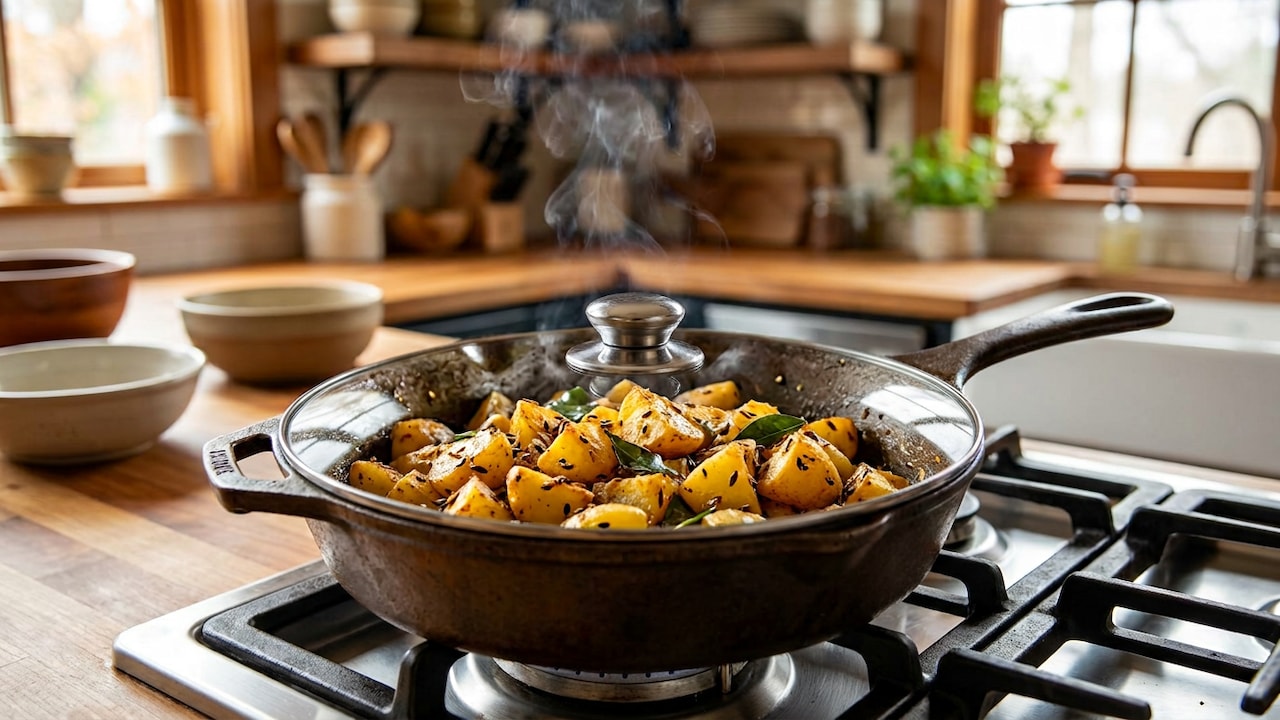
Many people say trapping steam helps prevent food from drying out.
What I Did
I added a small splash of water, covered the pan with a lid and reheated the sabzi on low heat.
What Happened
This produced one of the best results. The steam helped soften the potatoes, and the sabzi retained much of its original texture.
The Problem
You need a little patience. High heat can still dry it out quickly.
Verdict
One of the most effective methods I tested.
Test 4: Using The Microwave
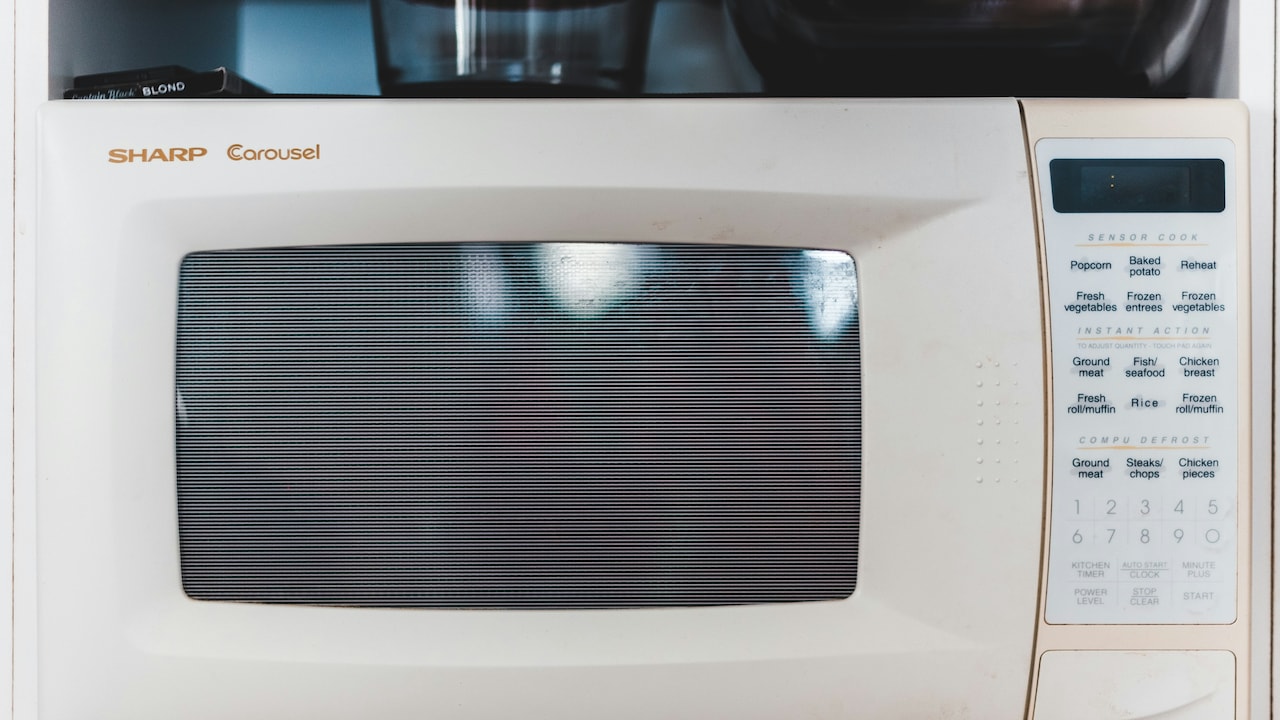
Photo: Unsplash
Microwaves are convenient, especially on busy mornings.
What I Did
I placed the sabzi in a microwave-safe bowl and heated it for about a minute.
What Happened
The centre became hot, but some potato pieces near the edges felt slightly dry.
The Problem
Microwaves can heat food unevenly, especially if the sabzi is not stirred halfway through.
Verdict
Works in a hurry, but the texture isn’t always consistent.
Test 5: Adding A Little Ghee
This was a method I stumbled upon after noticing that some dhabas refresh leftovers with a small amount of fat.
What I Did
I added half a teaspoon of ghee while reheating the sabzi in a covered pan.
What Happened
The potatoes looked glossier, the masala tasted fresher and the sabzi felt much less dry.
The Problem
It adds extra richness, which may not suit everyone.
Verdict
A good option when you want the sabzi to taste closer to a freshly cooked batch.
Why Does Aloo Sabzi Dry Out In The First Place?
The biggest reason is that potatoes continue absorbing moisture as they cool. After spending hours in the refrigerator, the sabzi contains less free moisture than it did when it was freshly cooked.
When it is reheated aggressively, even more moisture evaporates, leaving the potatoes dry and the masala thicker than intended.
My Final Verdict
The biggest mistake I was making was reheating aloo sabzi exactly as it was.
The clear winner was adding a small splash of water and reheating it in a covered pan over low heat. The trapped steam helped restore moisture without making the sabzi watery. Adding a little ghee also worked well when I wanted a richer taste.
Now, whenever I reheat leftover aloo sabzi, I don’t just throw it into a hot pan and hope for the best. A tiny bit of water, a lid and a few extra minutes make all the difference. The result is a sabzi that tastes much closer to the one I cooked the day before, instead of a dry, disappointing version of it.


