


Sabudana khichdi is one dish that looks too simple to make. All you need is sabudana, peanuts, potatoes, some spices and some ghee or oil. But if you have ever tried making it at home, you know how quickly things can go wrong.
I have had batches where the pearls stuck together, turned sticky and lost their shape while cooking. Adding more oil didn’t really help, and neither did stirring the mixture constantly. I wanted to figure out what I was getting wrong, so I tried four different ways of preparing sabudana khichdi to see which one gave me soft, separate pearls without the mushiness.
ALSO READ | Durga Puja In Delhi? Head To These 8 CR Park Restaurants For Bengali Food
Method 1: Soaking Sabudana For Too Long
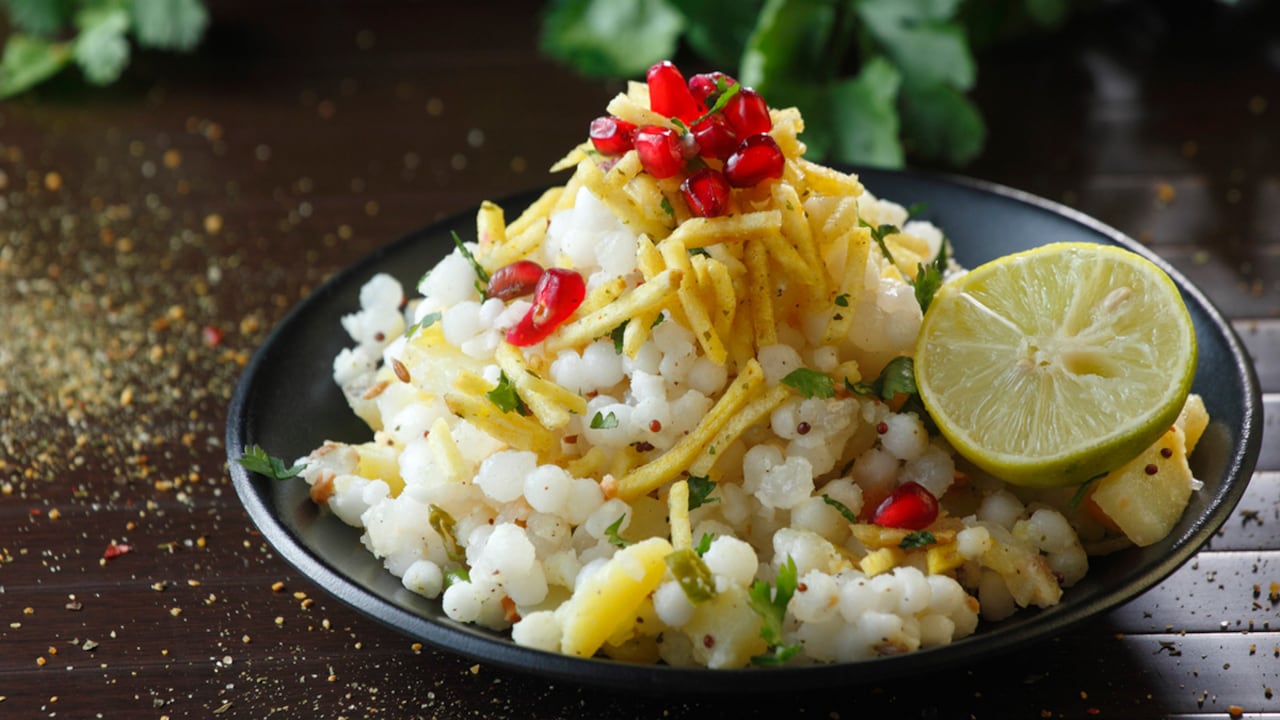
I started with the step that seemed most likely to affect the texture: soaking.
What I did
I rinsed the sabudana and soaked it in water for several hours, assuming that a longer soak would make the pearls softer and easier to cook.
What happened
The sabudana became very soft, and some pearls started breaking apart when I mixed them with the other ingredients. Once they went into the pan, the mixture quickly turned sticky.
The problem
Sabudana absorbs water as it soaks. If you use too much water or soak it for longer than necessary, the pearls can become waterlogged before they even reach the pan.
Verdict
A long soak isn’t always better. The amount of water and the type of sabudana you use both matter.
Method 2: Adding Water Directly To The Pan While Cooking
Photo: Unsplash
For my second attempt, I thought the sabudana might be turning sticky because it wasn’t cooking evenly. I decided to add a little water during cooking.
What I did
I heated some ghee in a pan, added the cumin seeds, potatoes and soaked sabudana, and sprinkled a little water over the mixture when it looked dry.
What happened
The sabudana became stickier as it cooked. Instead of remaining separate, the pearls started clumping together, and the extra moisture made the mixture difficult to handle.
The problem
Sabudana that has already been soaked generally doesn’t need much additional water during cooking. Adding more can make the texture gummy.
Verdict
Not the best approach. It’s better to get the soaking right rather than trying to correct the texture in the pan.
Method 3: Cooking It On High Heat
Photo: Unsplash
I usually turn up the heat when I want something to cook faster. For this batch, I tried doing the same with sabudana.
What I did
I heated the ghee, added the cumin seeds and potatoes, and then mixed in the soaked sabudana. I cooked everything on a higher flame, stirring frequently to prevent the mixture from sticking.
What happened
The pearls cooked unevenly. Some became translucent, while others remained firm in the centre. Constant stirring also made the mixture clump together.
The problem
High heat doesn’t necessarily cook sabudana more evenly. The pearls can stick to one another, particularly if they are wet, and vigorous stirring can break them apart.
Verdict
Cooking faster isn’t the answer. Moderate heat and gentle mixing work better.
Method 4: Using A Certain Water Ratio And Cooking Gently
For my final attempt, I decided to focus on the basics instead of trying to fix the khichdi while it cooked.
What I did
I rinsed the sabudana thoroughly and soaked it in just enough water to cover it, adjusting the soaking time according to how quickly the pearls absorbed the water. Before cooking, I drained any excess water and checked that the pearls had softened without becoming mushy.
I then heated ghee in a pan, added cumin seeds and cooked the potatoes until tender. Next, I added the sabudana and crushed roasted peanuts, mixed everything gently and cooked it over medium-low heat until the pearls turned translucent.
What happened
This batch turned out much better. The pearls remained separate, the peanuts added a nice crunch, and the khichdi had the soft texture I wanted without becoming sticky.
Verdict
This was my favourite method. Getting the soaking right made a bigger difference than anything I did during cooking.
My Final Verdict
After trying all four methods, I realised that the biggest mistake was getting the soaking wrong. Sabudana needs enough water to soften, but it shouldn’t be left sitting in excess water until the pearls become swollen and mushy.
I now rinse it well, soak it according to the type of sabudana I’m using, and drain any leftover water before cooking. I also check a few pearls by pressing them between my fingers. They should flatten easily without feeling wet or leaving a hard centre.
ALSO READ | Navratri Special: How To Make Afghani Malai Momo For Vrat Without Deep-Frying
Once the sabudana goes into the pan, I keep the heat moderate and mix it gently rather than stirring continuously. The roasted peanuts also help give the khichdi a better texture.
The lesson for me was simple: don’t try to rescue mushy sabudana with extra oil or more cooking. Get the soaking right first, and the rest of the recipe becomes much easier.


