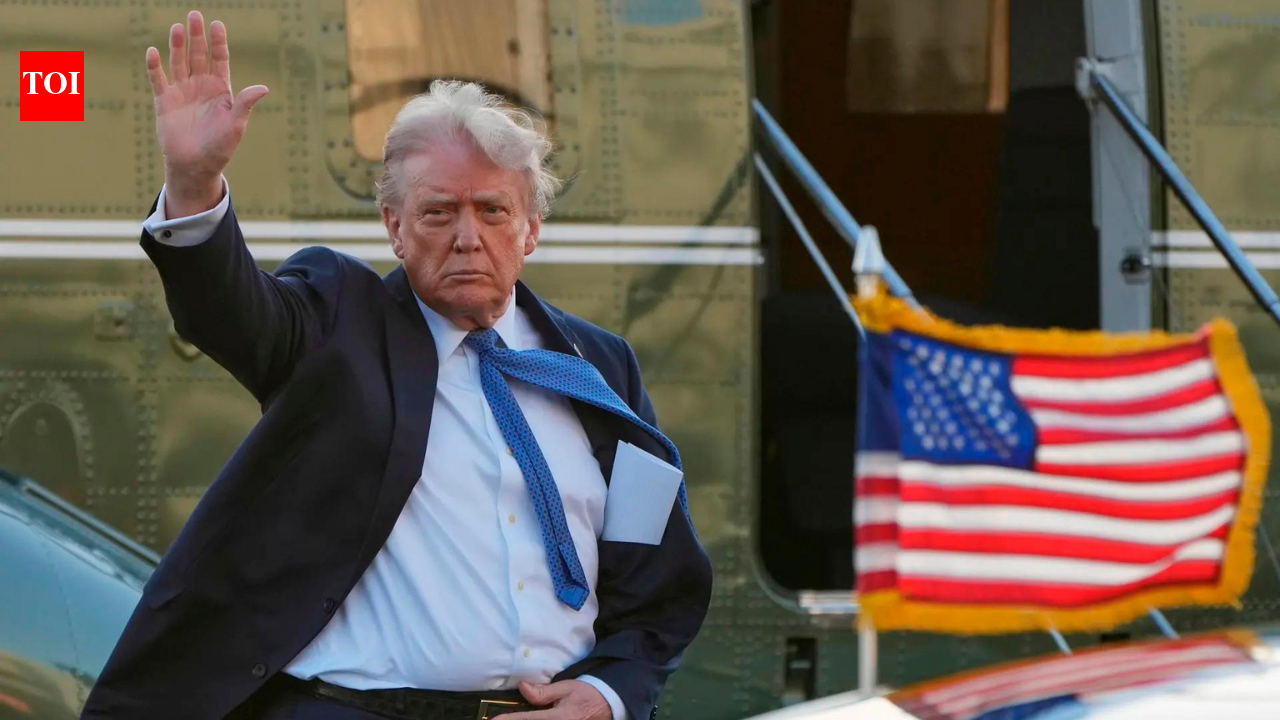
After nearly two weeks of sustained attacks around the Strait of Hormuz and repeated warnings from President Donald Trump that military action could intensify, the US abruptly paused its bombing campaign on Friday. The decision, according to multiple reports, was driven less by diplomacy than by a reassessment inside the White House and Pentagon of what further strikes could realistically achieve.The turning point came after Adm Brad Cooper, commander of the US Central Command (CENTCOM), advised senior officials that the campaign had effectively accomplished its immediate objectives and had reached the limit of its usefulness, Axios reported. His assessment, shared with the Pentagon, the joint chiefs of staff and the White House earlier in the week, was among the factors that influenced Trump’s decision to halt strikes.
Military said most objectives had been achieved
Cooper reportedly concluded that two weeks of operations had significantly reduced Iran’s ability to threaten commercial shipping in and around the Strait of Hormuz. He also assessed that the list of planned targets had been largely exhausted, leaving little strategic value in continuing the existing air campaign.According to the assessment, the only meaningful military option left would have been a return to large-scale combat operations aimed at destroying the remaining targets identified during Operation Epic Fury. Without such an escalation, Cooper reportedly argued, there was little reason to continue the pattern of strikes carried out over the previous fortnight.
Trump shifted course after high-level meeting
Trump had, until late last week, been leaning toward expanding military operations against Iran. However, following a meeting with senior military commanders and national security advisers on Friday, he instead directed US forces to suspend strikes targeting Iran’s southern coastline and the Strait of Hormuz.The pause marked the first break in the bombing campaign since it began two weeks earlier. Sources familiar with the discussions said Trump’s thinking began to change on Thursday evening before the decision was finalised the following day.
Another warning: Air defence stockpiles
The military review reportedly included another concern beyond the effectiveness of the strikes.Chairman of the Joint Chiefs of Staff Gen Dan Caine is said to have privately warned defence secretary Pete Hegseth and Trump that dwindling stocks of air defence interceptors could affect America’s ability to defend its own forces and regional allies if the conflict expanded further.While officials declined to discuss confidential military advice, the warning underscored the logistical pressures facing the US as the conflict continued.
Diplomacy gets another opening
The military pause has coincided with renewed diplomatic efforts. Iran and Oman are continuing discussions on a possible arrangement that would allow ships to resume transiting the Strait of Hormuz without coming under attack, though it remains unclear whether any agreement would satisfy Washington.For now, the conflict has entered what US officials have described as a “quiet for quiet” phase, with both sides refraining from fresh attacks.US ambassador to the United Nations Mike Waltz said on NBC’s Meet the Press that Trump was “keeping all options on the table” while also “giving talks [with Iran] some space.” Waltz added that discussions between Washington and Tehran “are ongoing on every level.”