


Independent music distributor Symphonic Distribution has partnered with Sureel AI to let its artists track how AI uses their work and, the companies say, “participate in AI-driven revenue”.
Sureel, an attribution platform that tracks how music is used by AI, is owned by Warner Music Group, which acquired it in June for an undisclosed sum.
The opt-in partnership, announced on Monday (July 20), covers the artists, labels and managers Symphonic serves, and builds on its existing AI work.
Sureel‘s technology tracks how each work is used in AI-generated content, tying payments to what it calls the measurable contribution of a given recording, composition or set of lyrics.
Participating creators can set permissions and restrictions on how their work is used, which Sureel enforces.
Symphonic says its approach centers on offering creators transparency, choice and control across a range of AI-driven options.
“AI represents real opportunity for artists, but only if we use it correctly.”
Jorge Brea, Symphonic
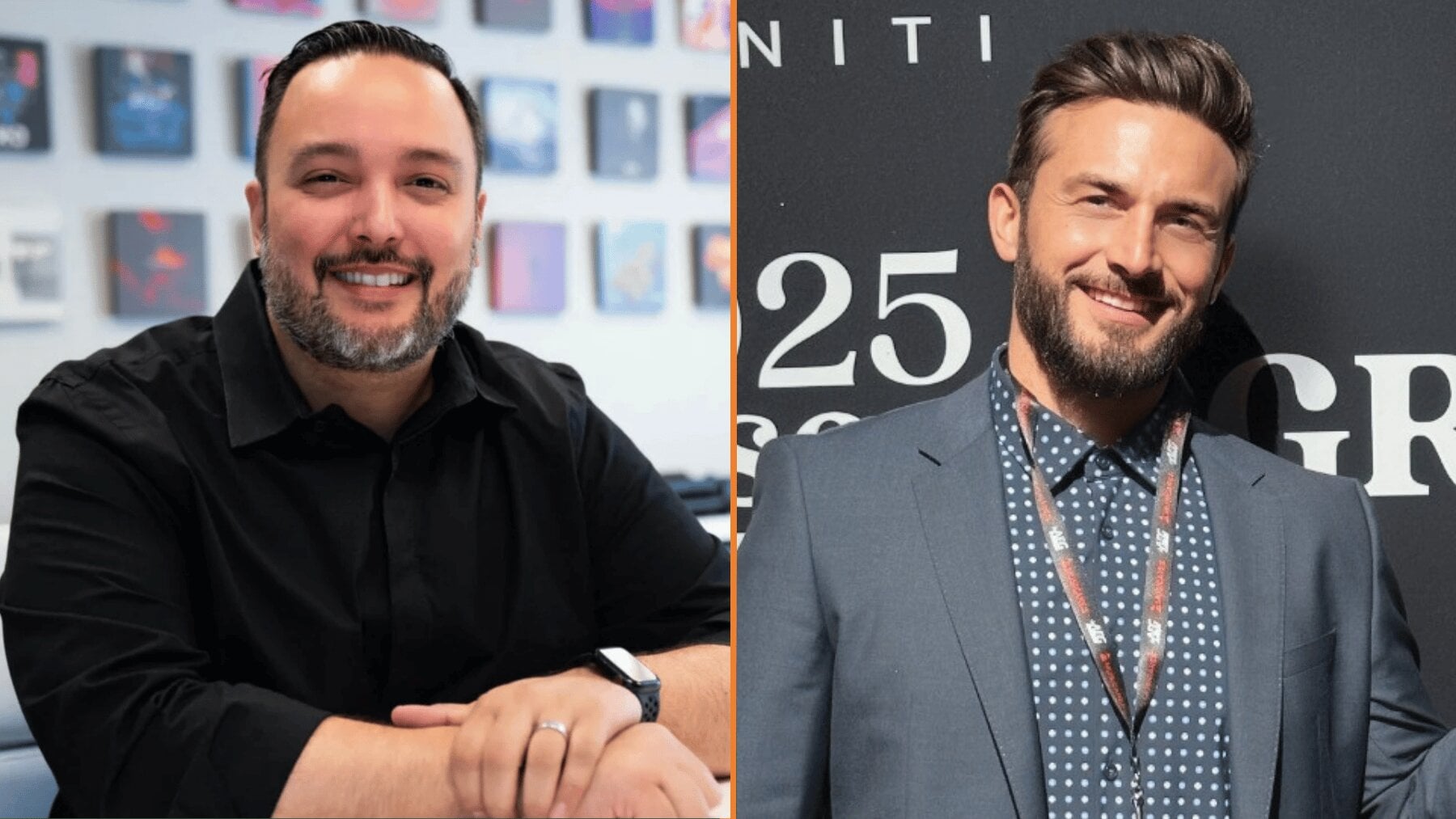
“AI represents real opportunity for artists, but only if we use it correctly,” said Jorge Brea, CEO of Symphonic.
“By giving our artists the chance to opt-in to Sureel‘s fully licensed AI datasets, we are pushing back against unpaid training and opening new revenue opportunities for those who wish to participate.”
“Symphonic and Jorge have consistently been at the forefront of innovation, embracing new technologies while keeping artists at the center,” said Dr. Tamay Aykut, CEO and Founder of Sureel AI.
“This partnership reflects their commitment to bringing responsible AI, greater transparency and new opportunities to the independent artists, labels and creators they serve.”
“Symphonic and Jorge have consistently been at the forefront of innovation, embracing new technologies while keeping artists at the center.”
Dr. Tamay Aykut, Sureel AI
The companies did not name any AI developers taking part, or detail the revenue terms for Symphonic‘s creators.
Its technology is “the first to move beyond simple resemblance”, Sureel says, and traces how individual works shape AI models and the content they produce across recordings, compositions and lyrics.
Sureel describes its platform as an “attribution and rights-intelligence” system that reports where rights holders’ work appears in AI and allocates value accordingly.
Its patented technology assigns each work what Sureel calls an “AI DNA”, splitting it into elements so their use by AI models can be traced.
Warner has struck a series of AI deals, including a 2025 licensing agreement with AI music generator Suno, which it had previously sued.
WMG has also struck a licensing deal with rival AI music generator Udio.
The majors have increasingly struck licensing deals with AI companies over the past year, though Universal and Sony are still pursuing copyright cases against Suno and Udio.
Symphonic CEO Brea has argued that distributors should collect AI disclosure information and monitor catalog quality, in a June op-ed for MBW.
Symphonic offers a content management and distribution platform, global royalty collection and split payments, label services and financial resources to independent labels, managers and artists.
The company describes itself as 100% independent and “by artists, for artists”.
Symphonic was founded in 2006 by Brea and is headquartered in Tampa, Florida, with a presence in US markets including Nashville, Los Angeles, New York and Miami and internationally across Canada, Mexico, Colombia, Brazil, Puerto Rico, the Dominican Republic and the UK.
The company acquired YouTube monetization platform Distro Nation in March and counts Bad Bunny, Daddy Yankee, Doechii, Marshmello, Gunna and Ozuna among its roster and alumni, alongside Jon Batiste, Sean Paul, Imogen Heap, Method Man and Tim McGraw.Music Business Worldwide



