


New Delhi:
By noon, the stones outside Red Fort shimmered white with heat. The tourists had thinned. Auto-rickshaw drivers slept inside their vehicles with wet towels draped over their faces. Street dogs pressed themselves into strips of shade no wider than a hand.
But Guddu kept squeezing lemons.
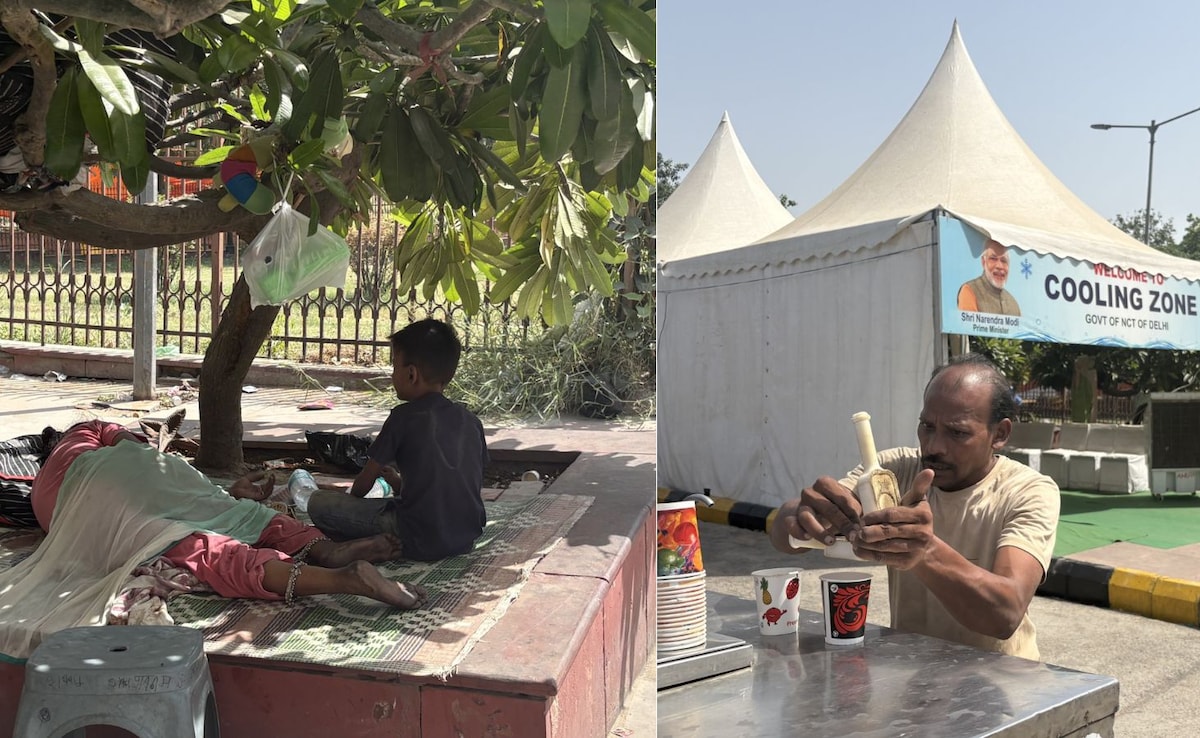
The wiry 38-year-old stood beside his steel cart, sweat running steadily down his temples and soaking through his faded brown shirt as he mixed lemon water for passers-by escaping Delhi’s punishing summer. Every few minutes, he wiped his forehead with a red cloth already darkened by heat and dust.
“By 11 in the morning, it feels like fire is falling from the sky,” he said, pausing only briefly before reaching for another lemon. “But what choice do we have? If I don’t stand here, my children don’t get to eat.”
For six years, Guddu has worked the same 14-hour shift, from 7 am until nearly 9 pm, outside the old city’s bustling lanes near Jama Masjid metro station Gate No. 3. On good days, he earns less than Rs 4,000 as revenue – not profit – from selling lemon water and chilled drinking water in a city where inflation has steadily eroded whatever margin remained.
Guddu is the sole provider for a family of five living in a single rented room near Jama Masjid, where nighttime no longer offers relief. Even the terrace, once a refuge during Delhi summers, now radiates stored heat long after midnight.
“We don’t sleep properly anymore,” he said. “The children wake up crying. The fan just throws hot air. We can’t afford AC or coooler. Taking a bath doesn’t help either as the water becomes very hot.”
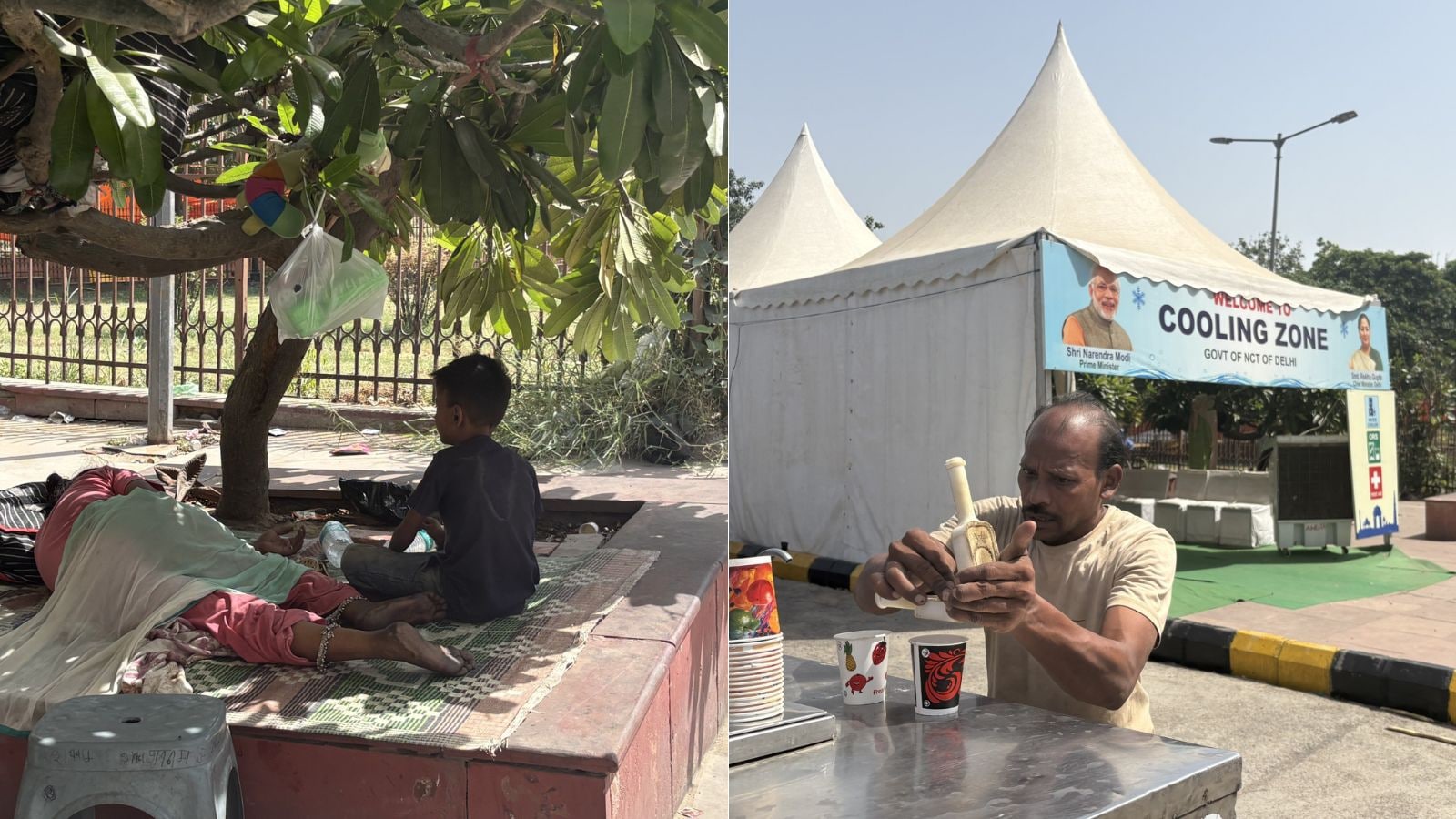
As India’s capital endures another severe heatwave that will persist till May 27, the burden has fallen unevenly across the city. Office workers retreat into air-conditioned apartments and malls while thousands of labourers, vendors, delivery riders and sanitation workers continue outdoors under temperatures that regularly climb above 44 degrees Celsius.
HeatWatch reported at least 84 heatstroke deaths in Delhi last summer. The Delhi-NCR region experienced 11 days of heat and severe heatwave conditions in 2025. Slum pockets and low-income areas remain the most vulnerable to extreme heat.
Two schoolboys approached Guddu’s cart shortly after lunchtime, their uniforms damp with perspiration. They gulped down lemon water in near silence.
“Online classes should happen in this weather,” said 13-year-old Ayaan, catching his breath. “Walking back from school makes us dizzy. Sometimes I feel like vomiting.”
His friend nodded. “Even our teachers keep saying not to stay in the sun,” he said. “But how do we avoid it?”
Their complaints echoed Guddu’s own symptoms- headaches, stress, nausea, sleeplessness and constant fatigue- all increasingly common among workers exposed to prolonged heat. Doctors in Delhi hospitals have reported rising cases of dehydration and heat exhaustion as the summer intensifies.
Under the Delhi government’s Heat Wave Action Plan 2026, officials had promised a network of cooling zones across the capital- shaded spaces equipped with fans, coolers, drinking water and oral rehydration packets where residents could briefly recover from the extreme temperatures.
So far, the city’s only functional cooling zone, open 24 hours, has emerged near the Jama Masjid Metro Station: five temporary tents with plastic chairs, industrial fans and water stations capable of seating roughly 70 to 100 people at a time. Throughout the day, workers cycle in and out – rickshaw pullers, street vendors, municipal sweepers and pedestrians seeking a few minutes of relief before returning to the heat.
Inside one tent on Thursday afternoon, a delivery rider stretched out on a bench beneath a cooler humming weakly against the hot wind outside.
“It helps,” he said. “But one place for all of Delhi? That’s nothing.” Delhi’s population is estimated at 2.3 crore.
Guddu visits the cooling zone whenever business slows for a few minutes. Sometimes he sits silently under the fan. Sometimes he splashes water on his face before hurrying back to his cart.
“The government gave us a cap and a gamcha (cloth),” he said with a faint smile. “That’s fine. But at least give us umbrellas. Give us shade.”
Government officials say other interventions are underway, including mobile heat-relief vans, water coolers and designated cool rooms in hospitals. Yet the single fixed cooling centre has come to symbolise what many residents see as the gap between official planning and lived reality.



