





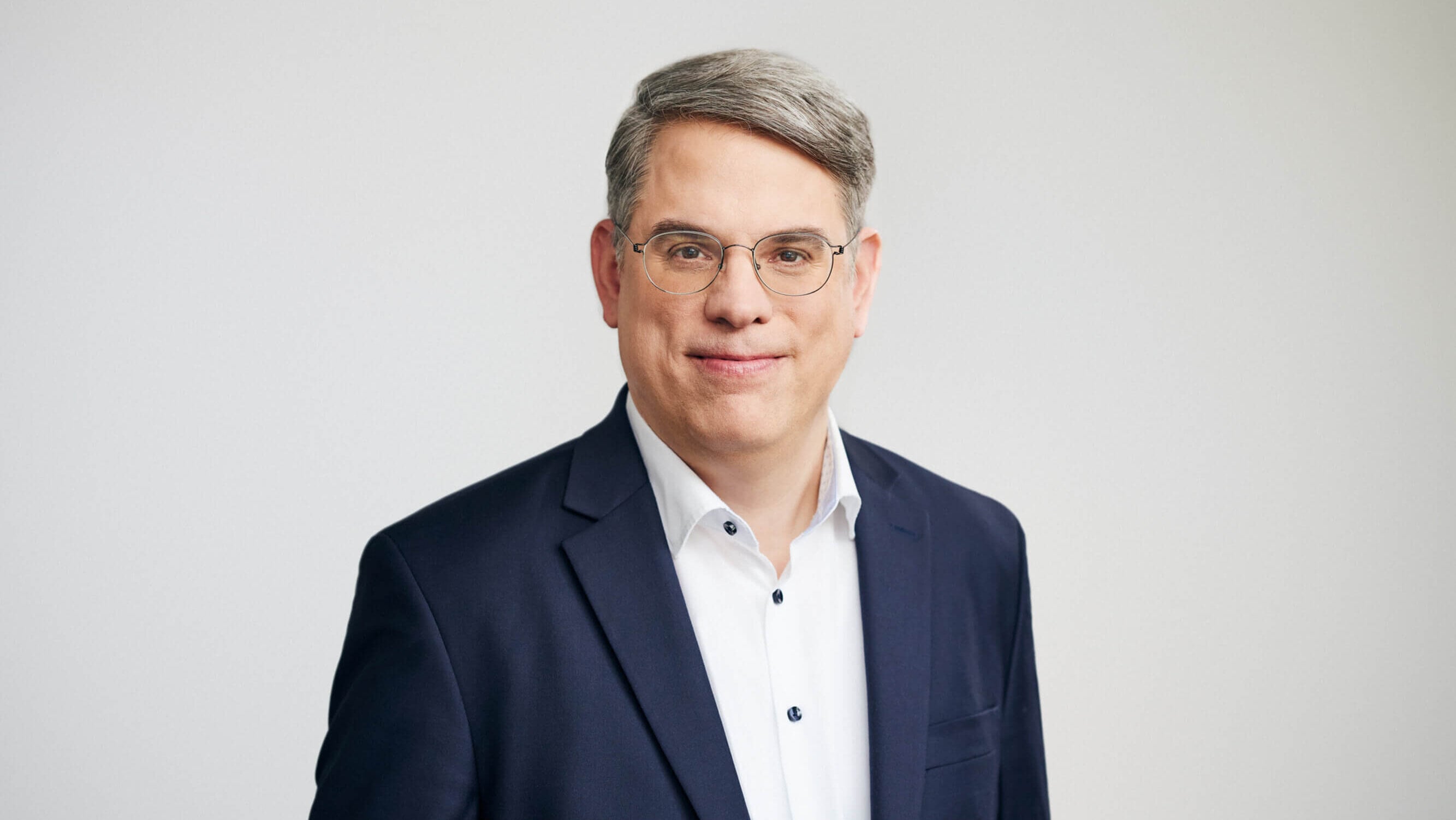







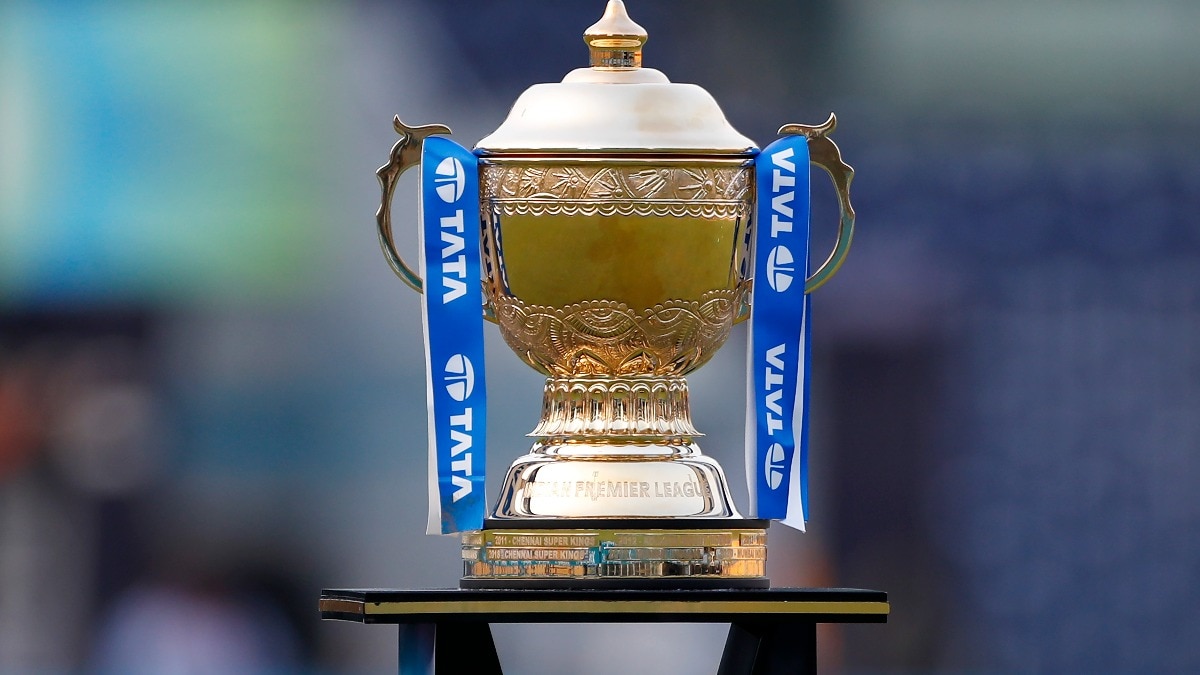
If you thought a ‘Ceat Tyres Strategic Timeout’ or the ‘RuPay on the Go 4s’ was peak corporate intrusion into cricket, think again. According to internet’s resident satyr Ramesh Srivats, the future of IPL commentary will require broadcasters to possess a degree in marketing rather than a background in the sport.
In a brilliantly cheeky video that has gone viral across social media platforms, the veteran ad-man turned tech-entrepreneur—known for his sharp, punchy takedowns on politics and sport—delivered a fictional, hyper-monetised commentary script that is as hilarious as it is terrifyingly plausible.
“The bowler, Eveready to bowl, polishing the Surf Excel white ball to Vim brightness,” Srivats riffs, mimicking the breathless cadence of the commentary box. In his version of the cash-rich league, a batsman doesn’t just block; he plays a “Tata Nexon smooth drive” before being dismissed to go look for a new job on “Naukri.com.”
The satire hits uncomfortably close to home, capturing a structural shift in how cricket is consumed. To some extent, this hyper-commercialisation is the inevitable byproduct of a league that has transcended sport to become a financial empire.
THE ECONOMICS OF IPL
Look no further than the eye-watering economics of the current season. The staggering Rs 48,390 crore ($6.2 billion) media rights cycle has turned every match into an aggressive monetisation exercise. With broadcasters facing immense pressure to recover these monumental investments, squeezing an advertisement into every conceivable pocket of airtime has become a business necessity.
This economic reality is further validated by the dizzying escalation in team valuations. The recent blockbuster transactions have completely reset the league’s baseline, moving franchises firmly out of the realm of individual wealth and into corporate powerhouse status.
The record-breaking Rs 16,660 crore ($1.78 billion) sale of Royal Challengers Bengaluru to the Aditya Birla-led consortium, closely accompanied by the monumental Rs 15,290 crore ($1.65 billion) takeover of the Rajasthan Royals by Lakshmi Mittal and Adar Poonawalla, proves that institutional capital views the IPL as a blue-chip asset.
However, while big-money investments are inevitable, the broadcast itself has gone into a dizzying overdrive. The line between live sport and teleshopping has been entirely blurred. Corporate sponsorships are no longer merely slapping logos onto screen graphics; they are woven directly into the literal grammar of the delivery. We have moved past simple branding around the game; the advertising has become the script.
Compounding this commercial overload is the rather awkward spectacle in the broadcasting booth. Overseas commentators, clearly handed a strict sheet of deliverables, can be heard painstakingly memorising lines from local ads, desperately trying to nail the desi flavour to appease domestic sponsors. Instead of adding authentic local color, it makes for jarring viewing—sounding less like natural, instinctive cricket analysis and more like an uncomfortable corporate recital.
With media giants locking in a record-shattering roster of sponsors, everything from the first ball to the final review has a corporate moniker attached. Srivats’ video captures the fatigue of the modern viewer who just wants to watch a game of cricket without being bombarded by a 3-hour-long ad film.
While the tournament remains India’s biggest commercial juggernaut, Srivats reminds us with his trademark wit that if the league is not careful, the actual poetry of the game might soon be completely drowned out by legally mandated corporate slogans.
IPL 2026 | IPL Schedule | IPL Points Table | IPL Player Stats | Purple Cap | Orange Cap | IPL Videos | Cricket News | Live Score
– Ends



