


Train enthusiasts are set to commemorate the centenary of a historic Swiss railway this weekend, as classic steam locomotives transport visitors through the breathtaking Alpine landscape.
The iconic Furka Pass, soaring to an altitude of 2,431 metres (7,976 feet), stands as one of Switzerland’s highest Alpine routes. It gained international renown for its dramatic hairpin bends, famously featured in the 1964 James Bond film Goldfinger.
However, long before 007 actor Sean Connery filmed a thrilling car chase there, a steam train made its inaugural continuous journey along the steep and winding track on 3 July 1926. This pioneering event established a crucial rail link between the regions of Uri and Valais in central Switzerland, a connection that proved vital for decades.
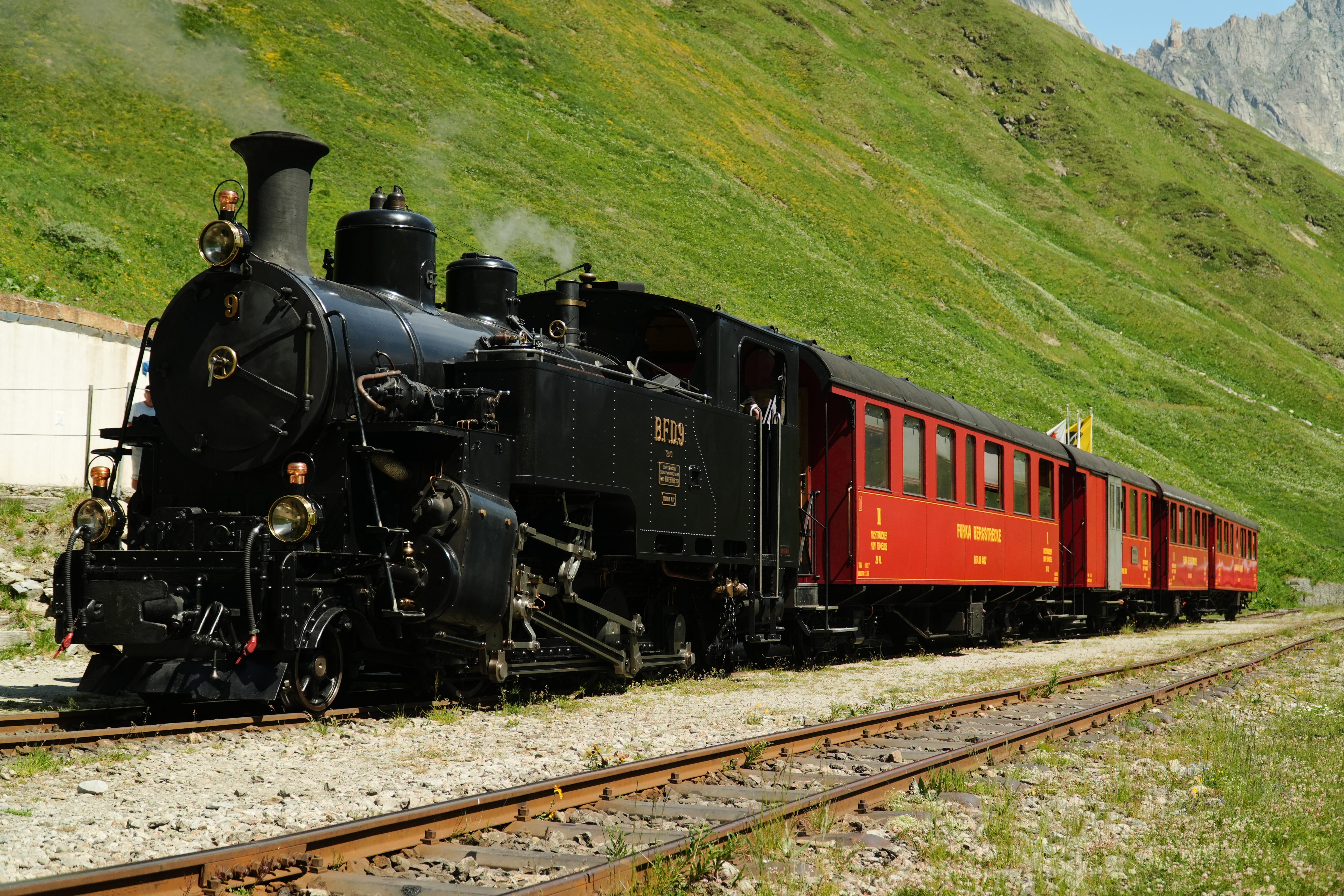
In the early 1980s, a tunnel at the base of the Alps diverted rail traffic and prompted the closure of the historic mountain route until volunteers stepped in. Hundreds of them, nicknamed the railway’s “pioneers,” have spent hours to restore, maintain and operate the historic tracks and trains so they run the same as a century ago.
The first section of the line reopened as a heritage railway in 1992, and the 18-kilometer (11-mile) track was ready for travel in 2010. The steam trains now operate exclusively as a tourist attraction in the summers between the stations of Realp and Oberwald, where visitors can hop aboard vintage carriages and marvel at the scenery of rivers, Alpine meadows and lush green pastures where patches of snow still linger.
Tourists last month enjoyed their trips through the German-speaking region aboard the “dampflokomotive.” Passenger Stephan Willareth called his journey “wonderful,” while Kurt Guldemann, a former employee of the Swiss railways, heralded the history of the machines.
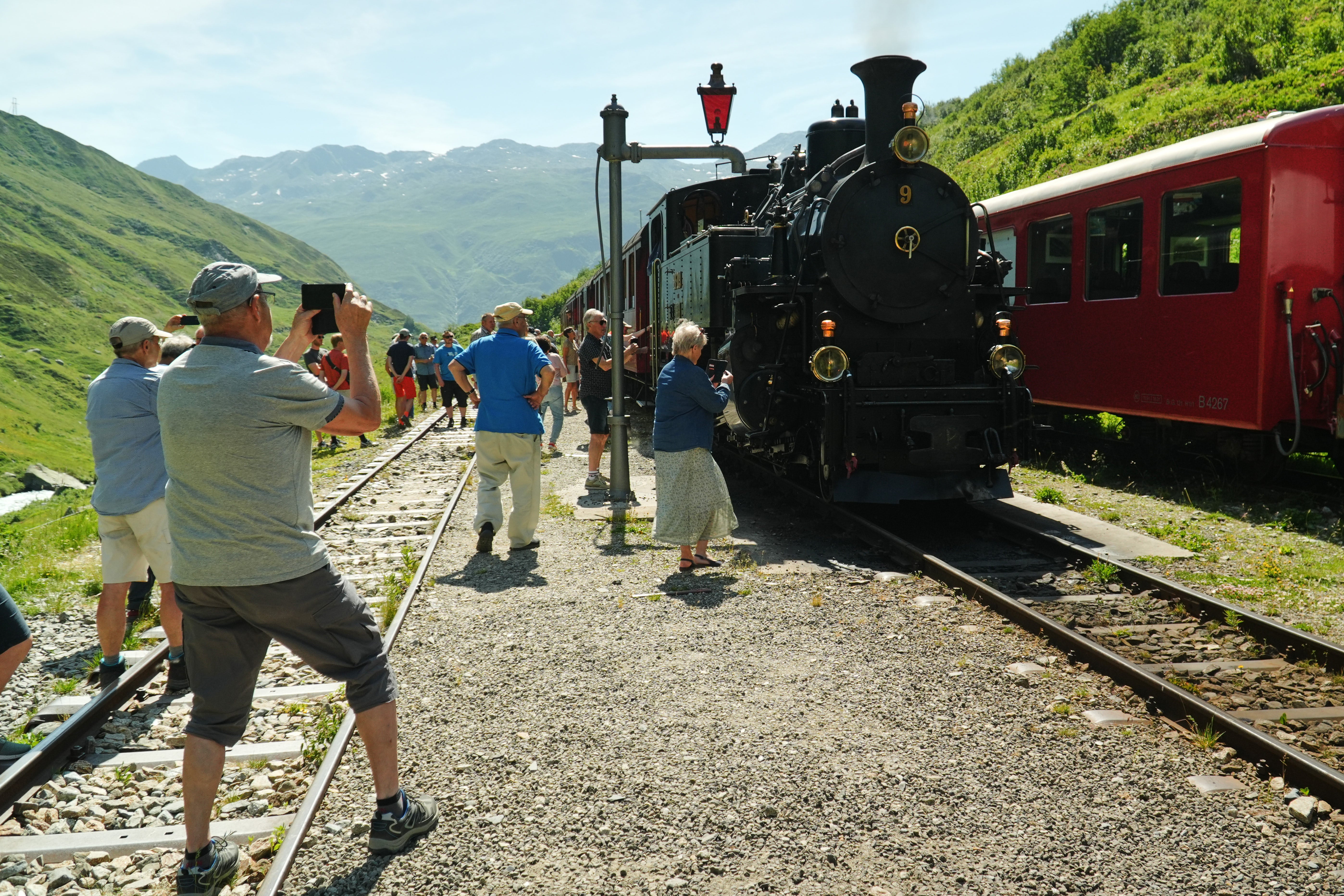
Bernhard Lang, one of the many enthusiasts who volunteer to drive the vintage steam trains, said it can take years to master the skill.
“It’s something like a living machine, so you have to get kind of the feeling for it,” he said. “To feel how it behaves, how it moves, how it smells, how it sounds.”
Jacob Kallert, a 21-year-old German transport engineering student and the youngest train manager, said it’s important to listen to the locomotives.
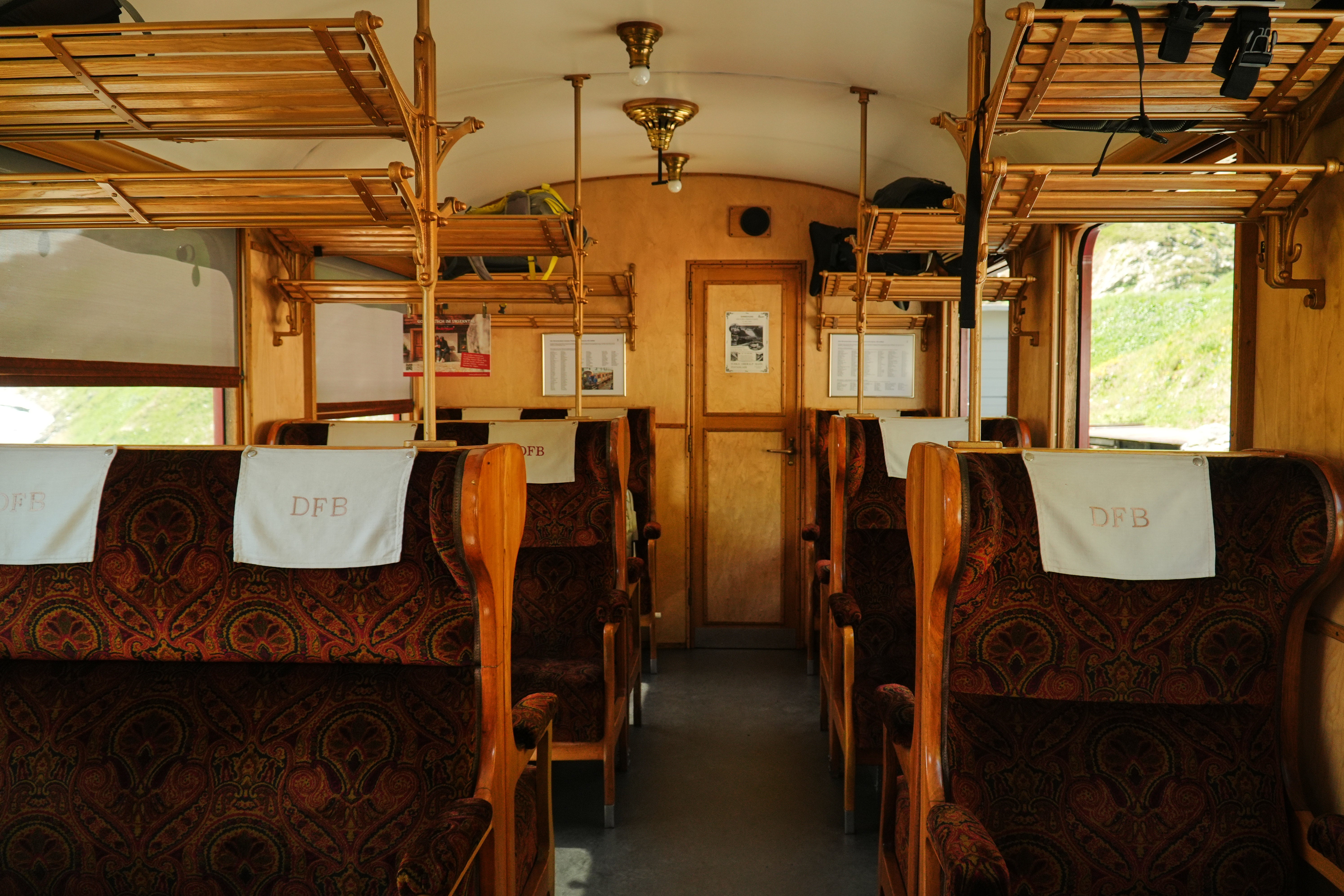
“You hear every sound, you hear if everything is right,” he said. “You can pretty much feel how it was then and how it is now.”
Volunteer Sergio Rovelli said anyone who has dedicated their time to the project gets hooked.
“We say, in German, that everyone who works here has the ‘Furka Virus, the Furka disease,’” he joked. “Once you come here, you like it, and you stay.”
A one-way ticket starts at 46 Swiss francs ($56.82) for a journey that lasts just under 2 1/2 hours. The anniversary celebration began Friday and continue through the weekend.


