




















While holidaymakers meticulously plan their itineraries, from sun-drenched beaches to cultural excursions, a crucial element often falls by the wayside: financial security.
This oversight can prove costly, not only through unexpected transaction fees but also by making travellers vulnerable to theft.
Andrew Hagger, a personal finance expert at Money Comms, warns that the real danger lies in a psychological shift. “When you’re abroad, you’re more vulnerable as you’re not as alert as you would normally be as you’re busy enjoying yourself. But you mustn’t just chill; you need to have your wits about you,” he explains.
To help travellers navigate these risks, Hagger offers six essential tips for safeguarding your money while on holiday.

1. Don’t neglect safety boxes
One fundamental step is to utilise hotel safety deposit boxes. “Always make use of the hotel safe, even if it costs a few pounds a day, as it’s well worth it,” Hagger advises. He stresses the importance of not carrying all your cards and cash, instead leaving a portion securely stored. Furthermore, he suggests noting down bank contact numbers, typically found on the back of your cards, and keeping this list in the safe. “It sounds like a bit of faff, but if you lose your cards abroad, that will make life so much easier as you immediately have the phone number for your bank.”

2. Calculate your daily cash spend
Resist the urge to carry excessive amounts of cash. Hagger recommends calculating your estimated daily expenses – for tips, meals, and excursions – and only withdrawing that sum. This strategy ensures that if cash is lost or stolen, your entire holiday budget remains intact. Debit or credit cards, widely accepted internationally, can be used for top-ups, or you can simply return to your accommodation.

3. Always pay in the local currency for card transactions
When paying by card, always opt for the local currency. While paying in sterling might seem clearer, it often incurs hidden fees through dynamic currency conversion. “If you don’t pay with the local currency, it allows the foreign bank to use a local exchange rate, which is pretty much a rip-off in most cases,” Hagger explains.
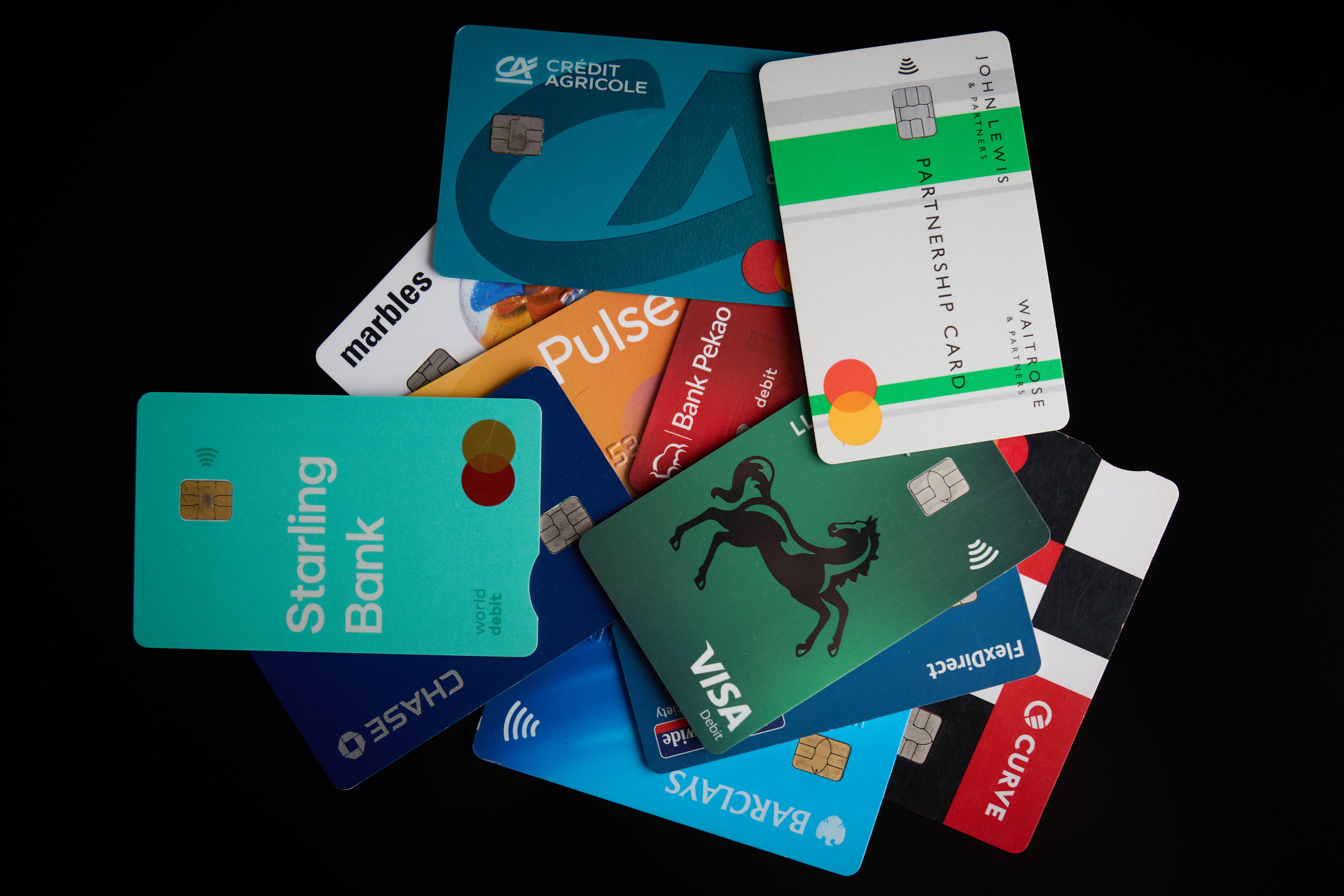
Beyond this, be mindful of your UK bank’s own charges for non-sterling transactions, which typically range from 2.75 per cent to 3 per cent. However, some providers, such as Halifax Clarity Card, Barclaycard Rewards, Monzo, and Starling, offer cards where “you just pay the exchange rate and nothing else on top.” It is therefore prudent to research and select a suitable card before travelling.
4. Consider credit cards for big purchases
For larger transactions, particularly those over £100, credit cards offer enhanced protection. “Credit cards are better for big purchases abroad, anything over £100, because of Section 75 of the Consumer Credit Act,” Hagger states. This crucial legislation makes your card provider jointly liable with the retailer for purchases between £100 and £30,000. This means if an airline ceases trading or a holiday rental proves fraudulent, your credit card company is legally obliged to issue a refund, a safeguard not typically afforded by debit cards.
5. Reconsider how you carry your valuables
Hagger suggests swapping bulky wallets for a slimmer version containing only essentials. “At home, I have a bulky wallet with all my cards and everything in it, but when I go abroad, I strip it down and take a smaller wallet carrying the bare minimum,” he says. He advises keeping wallets in concealed, inside pockets, warning against back pockets where “in some places abroad they look out for tourists and they’ll soon whip your card or your wallet out.” For poolside or beach days, a waterproof case for valuables is recommended to prevent loss or theft.

6. Exercise caution at ATMs.
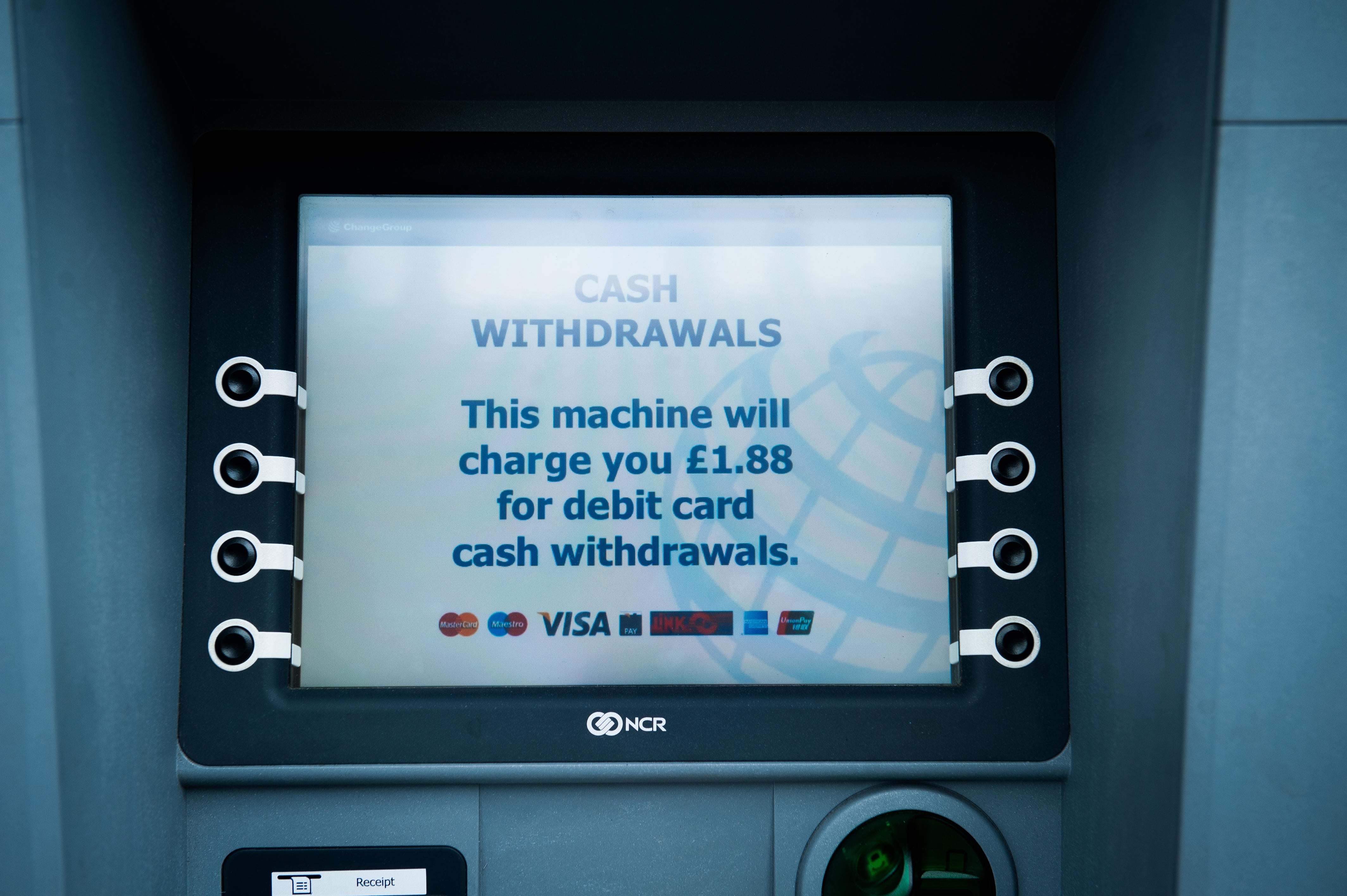
“All ATMs should state quite clearly if there’s going to be a charge before you make a withdrawal,” Hagger notes, urging travellers to check for excessive fees. Prioritise bank-affiliated ATMs over independent machines often found in tourist areas, which tend to levy higher charges. Additionally, be aware of your UK bank’s own ATM withdrawal fees, as some may charge around £5 per withdrawal, meaning frequent small withdrawals can quickly accumulate high costs.
By adopting these straightforward financial precautions, holidaymakers can significantly reduce the risk of monetary loss and theft, ensuring their focus remains firmly on enjoying their well-deserved break without unnecessary financial worries.