


Ekadashi holds special significance in Hinduism and is dedicated to Lord Vishnu. There are 24 Ekadashis in a year, with two observed every month, and each one has its own importance. The Ekadashi falling on July 10, during the Krishna Paksha of the Ashadha month, is known as Yogini Ekadashi. The second Ekadashi of the month falls on July 25 and is known as Devshayani Ekadashi or Padmanabha Ekadashi.
According to Hindu beliefs, observing the Yogini Ekadashi fast helps cleanse a person of their sins. It is also believed that those who observe the fast with devotion and follow the prescribed rituals are blessed with happiness, peace and prosperity.
Significance of Ekadashi
Among the many fasts observed in Hinduism, Ekadashi is considered one of the most sacred and significant. Dedicated to Lord Vishnu, the fast is believed to promote physical purification, mental discipline and spiritual growth. Devotees believe that observing Ekadashi with sincerity can help atone for past sins and lead one towards moksha (salvation).
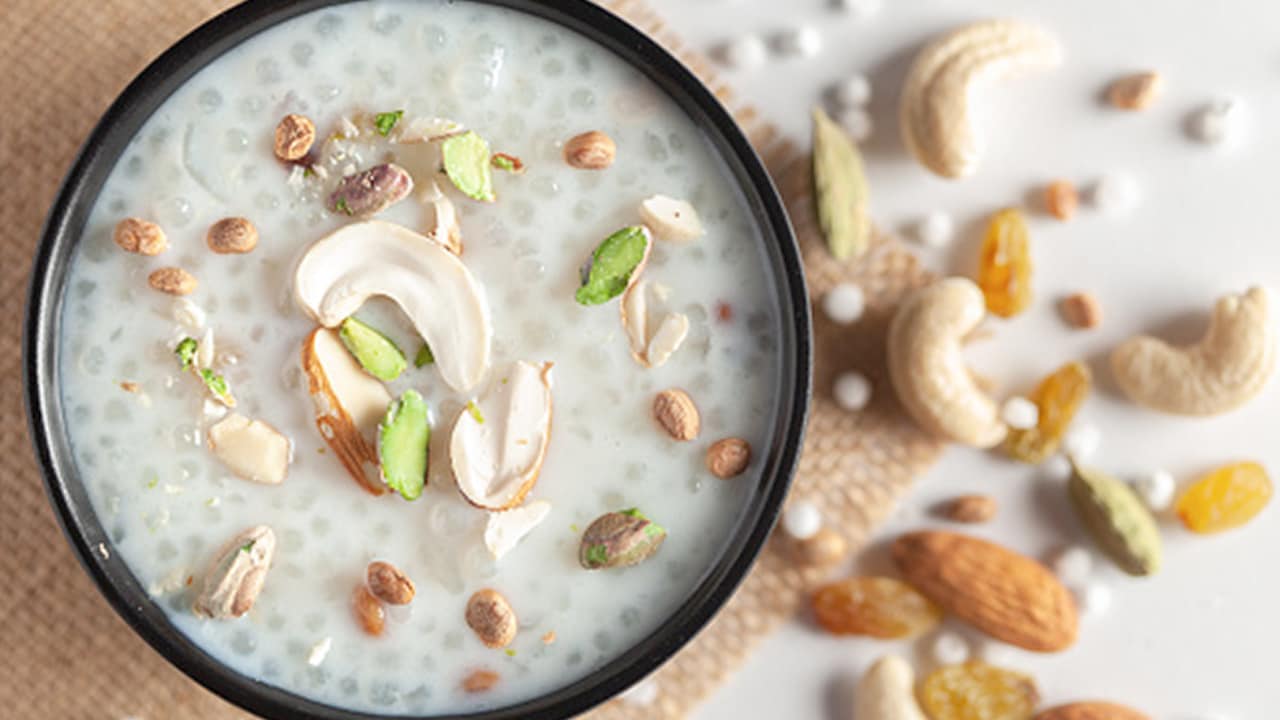
Also Read: How To Make Perfect Sabudana Kheer: Try These 5 Easy Steps
How To Worship on Ekadashi
On Ekadashi, devotees should wake up early, take a bath and make a sankalp (solemn pledge) to worship Lord Vishnu. The place of worship should be cleaned thoroughly before beginning the rituals.
The idol or image of Lord Vishnu is traditionally bathed with Panchamrit and offered yellow clothes, sandalwood paste and flowers. During the worship, devotees chant the mantra ‘Om Namo Bhagavate Vasudevaya’. Offering yellow flowers, seasonal fruits and Tulsi leaves is considered especially auspicious. Tulsi leaves should ideally be plucked a day before Ekadashi.
Dos And Don’ts of the Ekadashi Fast
Like other Hindu fasts, certain foods are strictly avoided on Ekadashi. Grains such as rice and wheat, along with lentils, onions, garlic and other tamasic foods, should not be consumed.
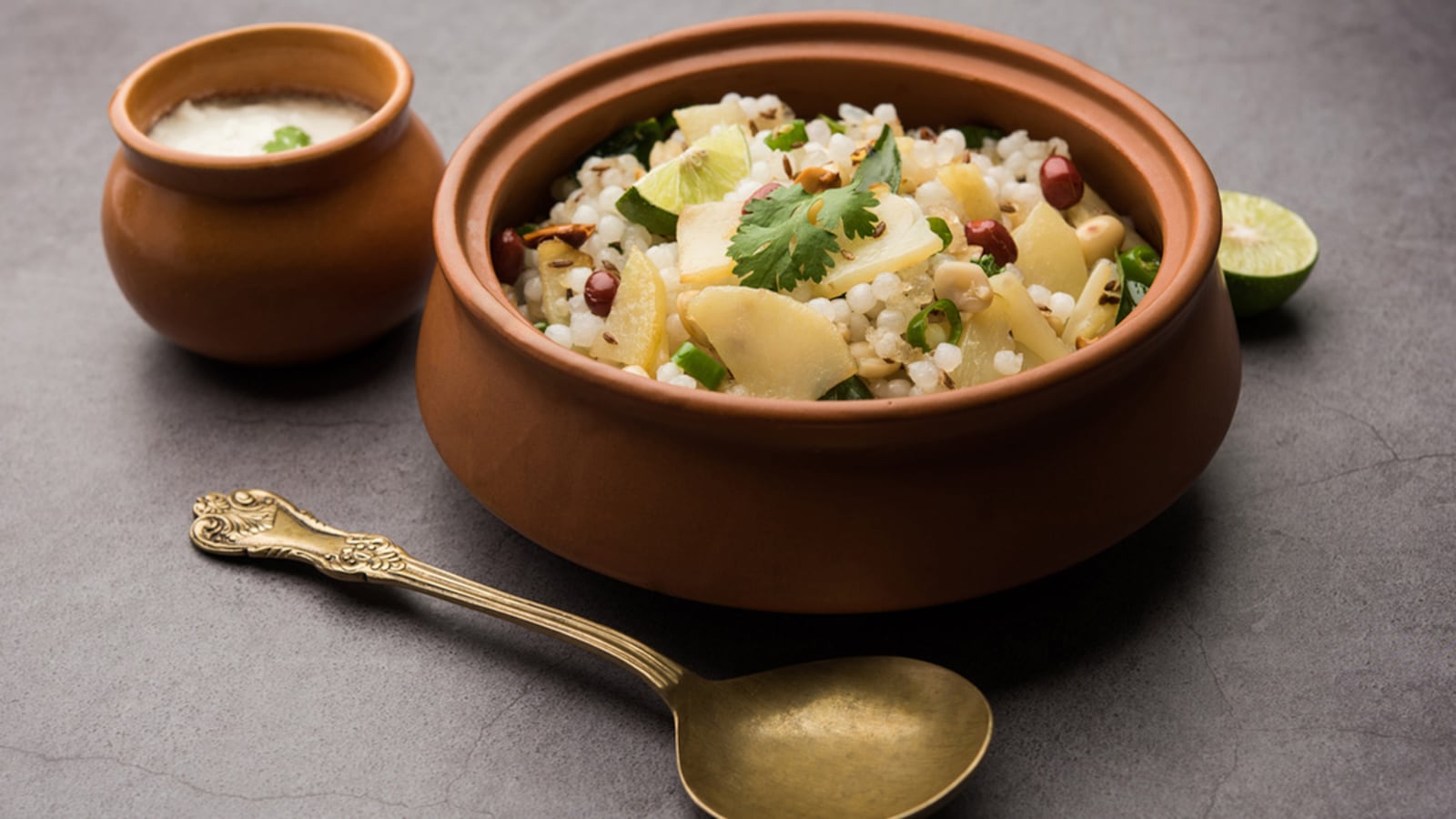
Instead, devotees follow a sattvic diet that may include milk, fruits, dry fruits, sabudana (sago), kuttu ka atta (buckwheat flour), singhare ka atta (water chestnut flour), potatoes, arbi (colocasia) and sendha namak (rock salt).
Fresh fruits such as apples and fasting-friendly foods like almonds, cashews, peanuts and makhana (fox nuts) can also be consumed.
What To Avoid During Ekadashi
1. Grains and Pulses
Avoid rice, wheat, barley and all types of lentils and pulses during the fast.
2. Onion and Garlic
These ingredients are considered tamasic and should not be consumed on Ekadashi.
3. Certain Vegetables
Vegetables such as eggplant, cauliflower, carrots and radishes are traditionally avoided by many devotees during the fast.
4. Specific Spices and Ingredients
Ingredients such as asafoetida (hing), mustard seeds (rai and sarson), fenugreek seeds (methi) and tamarind should not be used in fasting meals.
5. Non-Vegetarian Food and Alcohol
Consumption of meat, fish, eggs and alcohol is strictly prohibited during the Ekadashi fast.
Charity and Breaking the Fast
Charity and good deeds hold special importance during Ekadashi. On Dwadashi, devotees traditionally break their fast during the prescribed shubh muhurat. Before doing so, it is customary to offer donations or food to Brahmins, the needy or those in need of assistance.
By following these rituals and guidelines, devotees can observe the Ekadashi fast with devotion and in accordance with traditional beliefs.



