


In July 1990, The Banker, a magazine that has ranked the world’s banks since 1970, put Sumitomo Bank at the top of its Top 1000. Japanese banks filled most of the top ten that year. Credit Agricole, Barclays, and National Westminster were the intruders. The ranking read as prophecy. Asia had arrived, capital had shifted east, and the future belonged to Tokyo. Within two years, the Japanese asset bubble had burst, and the decades that followed are now called lost.
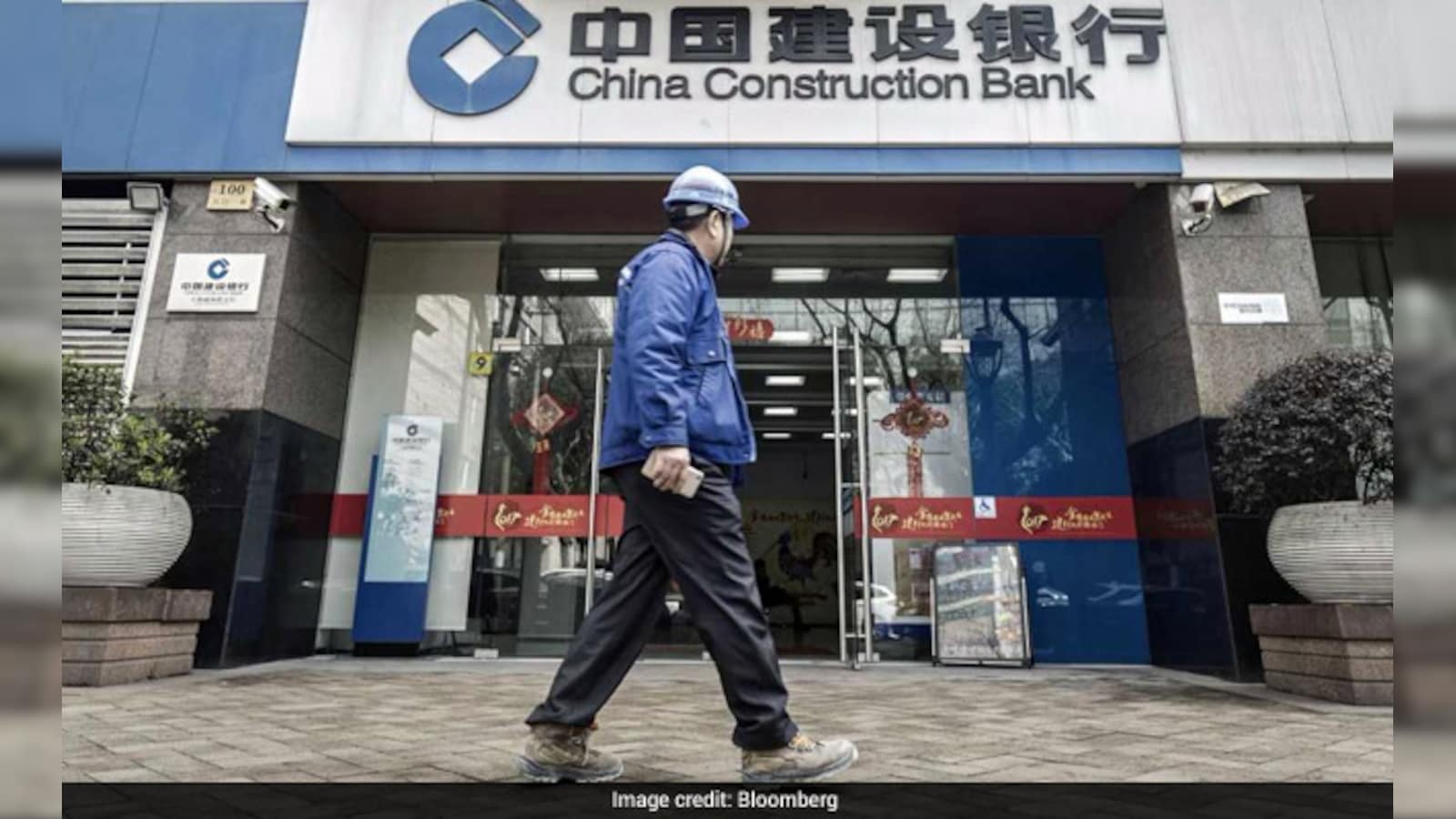
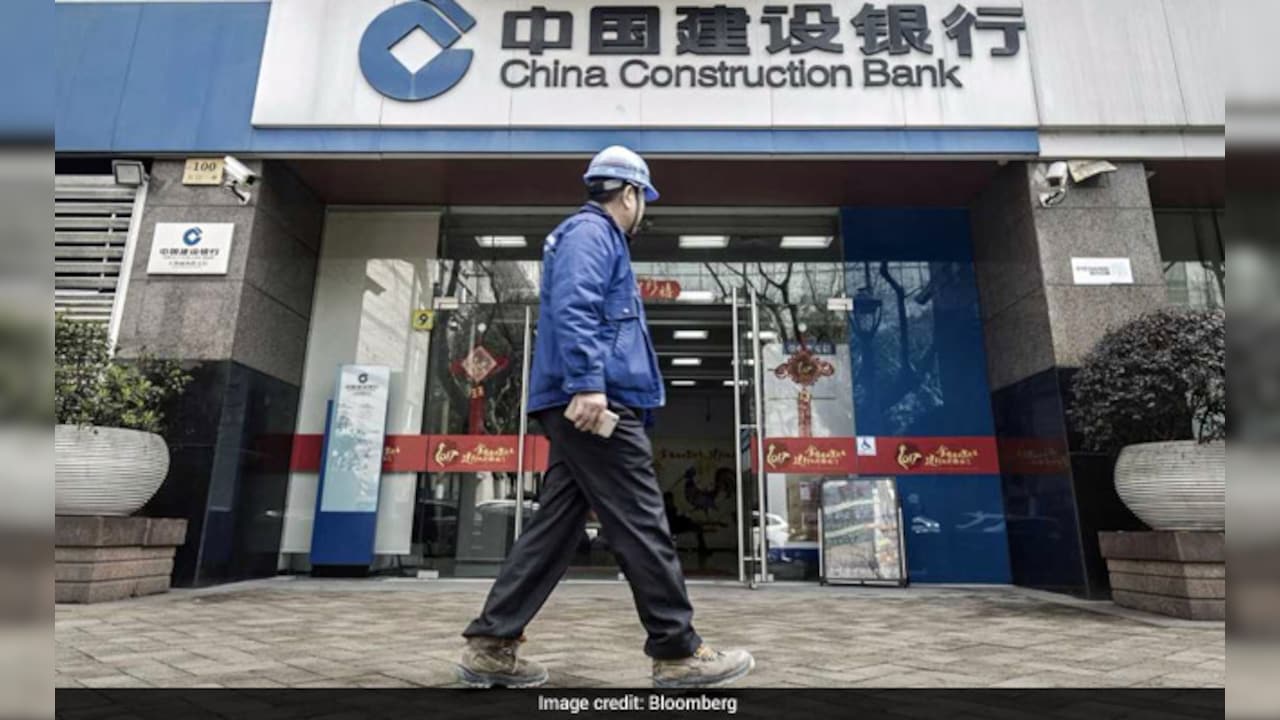
That history is worth keeping in mind while reading the 2026 edition of the same ranking, published this July. Seven of the world’s ten largest banks, measured by Tier 1 capital, are now headquartered in China. Industrial and Commercial Bank of China (ICBC), China Construction Bank, Agricultural Bank of China, and Bank of China hold the top four positions, as they have every year since 2019. The Postal Savings Bank of China, a bank assembled in 2007 out of the post office’s savings counters, has entered the top ten for the first time. JPMorgan Chase, Bank of America and Citigroup are the only non-Chinese survivors. Twenty-two Chinese banks figure in the top 100. No Indian bank comes anywhere close.
Advertisement – Scroll to continue
What Is China Aiming At?
Two questions follow, and they pull in different directions. What does this concentration of banking capital actually buy China? And what, if anything, should its absence worry India?
Begin with what Tier-1 capital measures. It is core capital, equity, and disclosed reserves, the cushion a bank holds against loss. A large number signals a large balance sheet, and a large balance sheet signals large lending. The World Bank’s series on domestic credit to the private sector by banks makes the point. For China, the figure was 194.3% of GDP in 2024. For India, 41.6%. Chinese banks are enormous because the Chinese growth model runs on bank credit, directed into infrastructure and property, funded by the captive savings of households with few alternative assets. The Postal Savings Bank’s arrival in the top ten is the model in miniature. Hundreds of millions of small depositors, aggregated through post offices, becoming Tier 1 capital. Size, in this sense, is a symptom of the model. The Japanese banks of 1990 were also symptoms of a model.
But there is a second reading of the ranking, and it deserves to be taken seriously. Balance sheets are one thing, plumbing is another. The dollar’s power does not rest on the size of American banks. It rests on the fact that international payments overwhelmingly clear through dollar accounts in New York, with messages carried by SWIFT, the Belgian cooperative that connects more than 11,000 institutions. SWIFT’s own RMB Tracker for June 2026 shows the dollar carrying 51% of global payments by value, the euro 22%, sterling 7%, and the renminbi under 3%t. Whoever controls the plumbing can shut it off. In February 2022, Western governments immobilised Russia’s central bank reserves, an amount the REPO Task Force estimates at 280 billion dollars and Moscow puts above 300 billion, roughly 200 billion of it sitting in Euroclear in Brussels. No shot was fired at the reserves, they were simply switched off.
A Parallel Pipe Economy
Beijing read that episode carefully, in fairness as any large holder of dollar assets would. The response has been the patient construction of parallel pipes. The Cross-border Interbank Payment System (CIPS), launched by the People’s Bank of China in 2015, had 1,791 participating institutions by the first quarter of 2026, of which 194 were direct participants. In March 2026 it settled a daily average of 920.5 billion yuan, about 133.5 billion dollars, one fifth higher than a year earlier. The overseas branch networks of the very banks that dominate The Banker’s ranking are the nodes of this system. A clearing bank in every financial centre is worth more to renminbi internationalisation than any communique. Add the experiments in central bank digital currencies for cross-border settlement, from which the Bank for International Settlements pointedly withdrew in 2024.
The direction is unmistakable. The distance travelled is short. Under 3% of global payments is not a rival system, and a large share of CIPS traffic still relies on SWIFT messaging to move. A currency that cannot be freely converted, backed by a capital account that cannot be freely crossed, cannot clear the world’s trade. What Beijing has built is not an alternative to the dollar system but an insurance policy against expulsion from it. Insurance policies matter. They also cost. A world with two payment plumbings, each side stockpiling against the other’s sanctions, settles trade less efficiently than a world with one, and the premium is paid by everyone, most of all by third countries invited to choose sides.
Where India Stands
Which brings the argument home. Where is India in this ranking? State Bank of India, the country’s largest bank, stood 45th globally by assets in S&P Global’s April 2026 compilation, at 877 billion dollars. HDFC Bank stood 76th. This is not for want of official aspiration. The Committee on the Financial System, chaired by M. Narasimham, recommended in its November 1991 report a structure with three or four large banks, State Bank of India among them, that could become international in character. Thirty-five years later, after the mergers of 2017 to 2020 reduced public sector banks from 27 to 12, no Indian bank is international in character in the sense the committee intended.
India’s Problem
Should this be corrected by decree? Here, the two halves of the argument must be held together. Ranks are rank, and chasing a league table is how one ends up with a Sumitomo. The useful question is not how to inflate Tier-1 capital, but what the capital is for. India intends to finance its own infrastructure at a scale of hundreds of billions of dollars a decade, and its capital expenditure carries a multiplier of about 2.45 against roughly 1 for revenue spending. India also intends to be a lender of consequence in its own neighbourhood. When Sri Lanka ran out of reserves in 2022, India extended support of about USD 4 billion through credit lines and a currency swap, and discovered how quickly such demands exhaust the instruments available. Chinese policy banks and the big four faced no such constraint in the same neighbourhood a decade earlier. A country that wishes to offer its neighbours an alternative lender needs banks, and a payments network, sized to the offer. UPI’s slow spread abroad and the renewed push for rupee settlement are the modest beginnings of Indian plumbing.
The 1990 ranking taught one lesson: bank size is a lagging indicator of a growth model, and sometimes a leading indicator of its crisis. The 2026 ranking teaches a second. Whatever the fate of the model, networks built while the sun shines remain standing afterwards, and networks are what sanctions-proofing, and influence, are made of. India does not need a bank in the top ten. It needs banks deep enough to fund its investment, and pipes it owns, so that no one else’s plumber can turn off its water.
Sumitomo Bank topped the world in 1990. By 2001, it had merged itself out of existence.
(The author was with the Economic Advisory Council to the Prime Minister)
Disclaimer: These are the personal opinions of the author



