


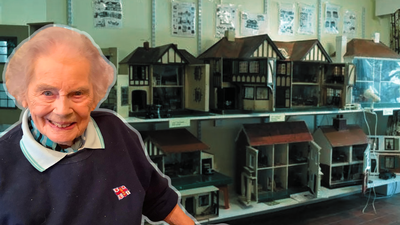
At eight, Val Ripley woke up on Christmas morning in 1932 to find a huge parcel waiting for her. Inside was her first dolls’ house. It was a gift from her parents. More than nine decades later, that childhood fascination is still a part of her life. Now 101, Val continues to collect dolls’ house pieces and welcomes visitors to the museum she created with her sister in Newport, Pembrokeshire in Wales.“I remember thinking ‘they can’t have bought me that one’, and it was my pride and joy my whole childhood,” Val recalled to BBC. But the dolls’ house almost disappeared from her life.
A childhood toy lost during the war
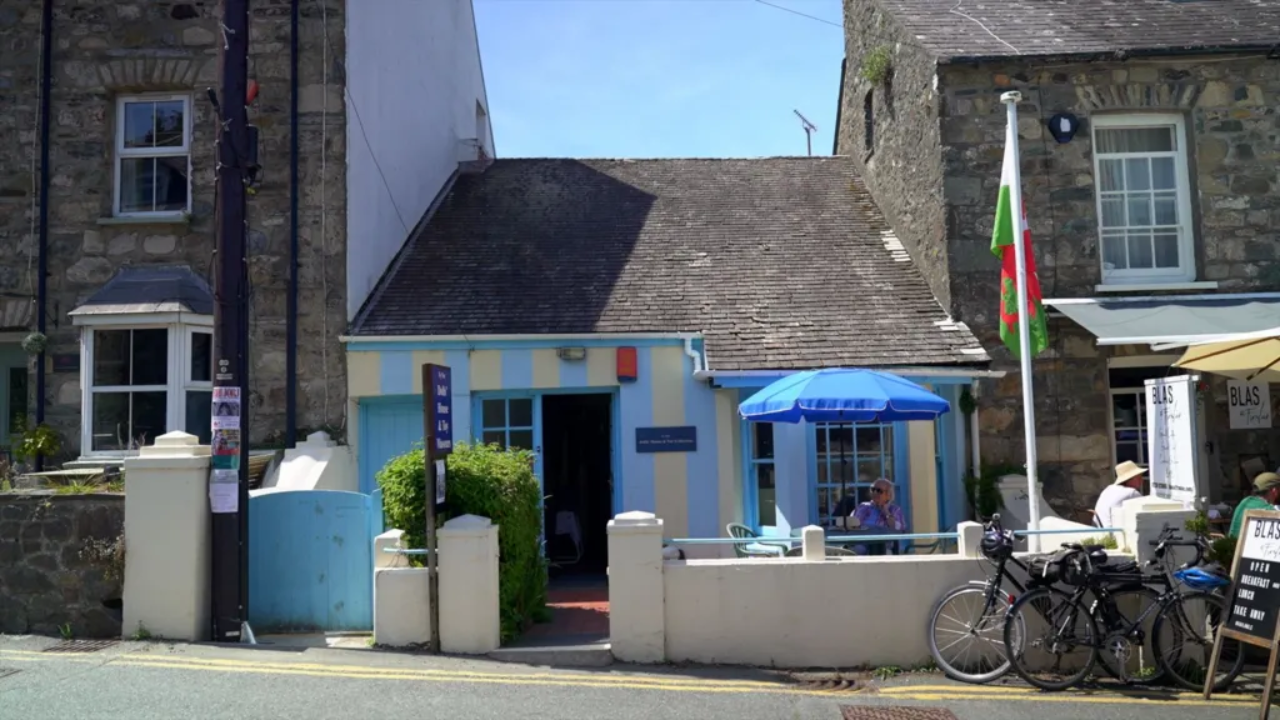
The museum opened 26 years ago and has since become a window into another era.
In 1939, when Val’s father returned to the Army as World War II began, the family’s possessions including the dolls’ house and other toys were packed away in pre-war crates and put into storage while the family searched for a new home.Once they settled again, the toys were moved to the attic. They remained there for decades, forgotten. Val and her sister Pam believed they had been lost forever. Then, after their mother died in 1977, the sisters began clearing the family home and made an unexpected discovery.“We thought they were all gone. But after our mother died in 1977, my sister Pam and I discovered all our toys in their pre-war crates. It was so emotional, I can’t tell you,” Val told BBC.The discovery brought their childhood back. Instead of keeping the toys hidden away, the sisters decided to share them with others.
From family attic to dolls’ house museum
Val and Pam began expanding their collection and eventually opened the Ty Twt Dolls House and Toy Museum in Newport, Pembrokeshire. The museum opened 26 years ago and has since become a window into another era. Pam has since died, but Val continues to run the museum, welcoming visitors and school groups and telling them about the toys she grew up with.She also notices how much children’s toys have changed. “I ask them if they have dolls’ houses, but all theirs are pink,” she said. For Val, the collection is about much more than miniature furniture and tiny figures. She sees the dolls’ houses as a record of how everyday life has changed.“The collection is a document of social history,” she said, pointing to the way miniature homes capture changing lifestyles over generations.
A glimpse into homes from another era
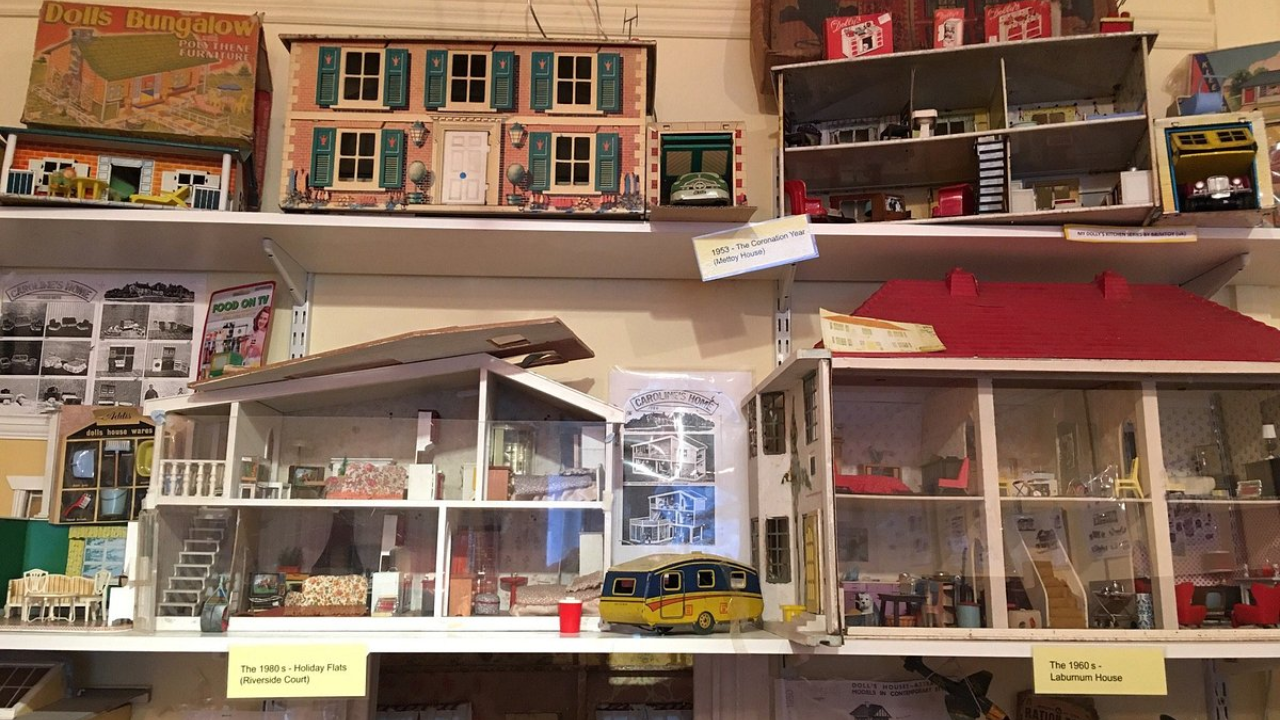
An inside photo of the museum.
The oldest dolls’ house in the museum dates back to 1840. It represents a typical wealthy family’s home during the early Victorian period. “That was the date when dolls’ houses became children’s toys,” Val said.Before that, dolls’ houses were largely expensive display pieces made for wealthy adults. Many were carefully handcrafted in Europe. The Industrial Revolution changed that. As production became easier and more widespread, dolls’ houses became cheaper and more accessible to ordinary families. They were also made sturdier, allowing children to actually play with them.Today, the museum’s collection reflects those changes. Some houses recreate older homes, while others show more modern interiors, complete with miniature appliances, school supplies, books and everyday objects. There is even a tiny dictionary for the miniature residents.
The little school Val still remembers
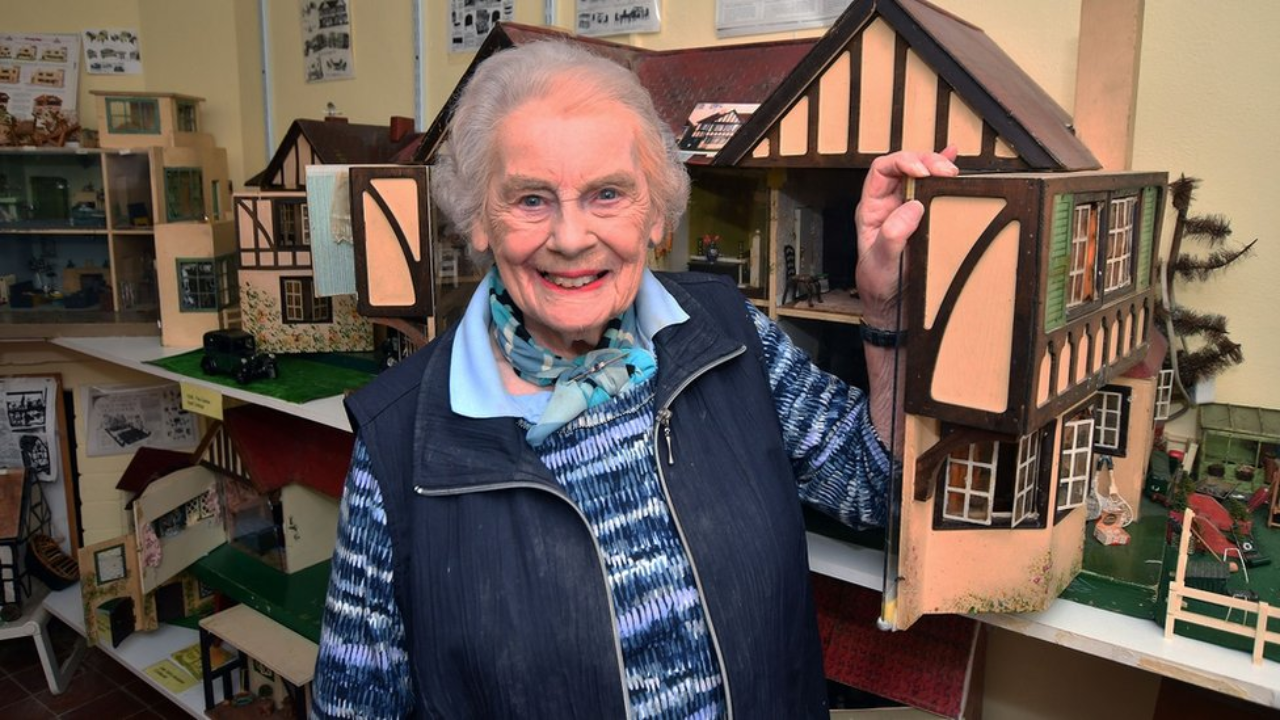
Photo credit: BBC
Among Val’s favourite pieces is a miniature school for little bears. What makes it special is not just the tiny classroom but the memories attached to it. Val still remembers the names she gave each of the little pupils. “Reggie, Bruce, Yvonne, Carol, Gus, Penny, Miss Brewin, Mr Edwards the headmaster,” she recalled.It is details like these that make the collection personal for Val. Each miniature room carries not just a story about how people lived, but memories from her own childhood.
101 and still adding to the collection
Even after decades of collecting and running a museum, Val has not lost the urge to buy something new. She still looks out for miniature pieces that could add to one of her houses. “If I see something I haven’t got, I still buy it,” she said.At 101, Val’s relationship with dolls’ houses has lasted nearly a century. What began with a surprise Christmas present in 1932 survived a world war, decades in an attic and the loss of a sister. Today, the tiny houses are no longer just childhood toys. They are pieces of history and for Val, a reminder of a childhood she never quite left behind.


