


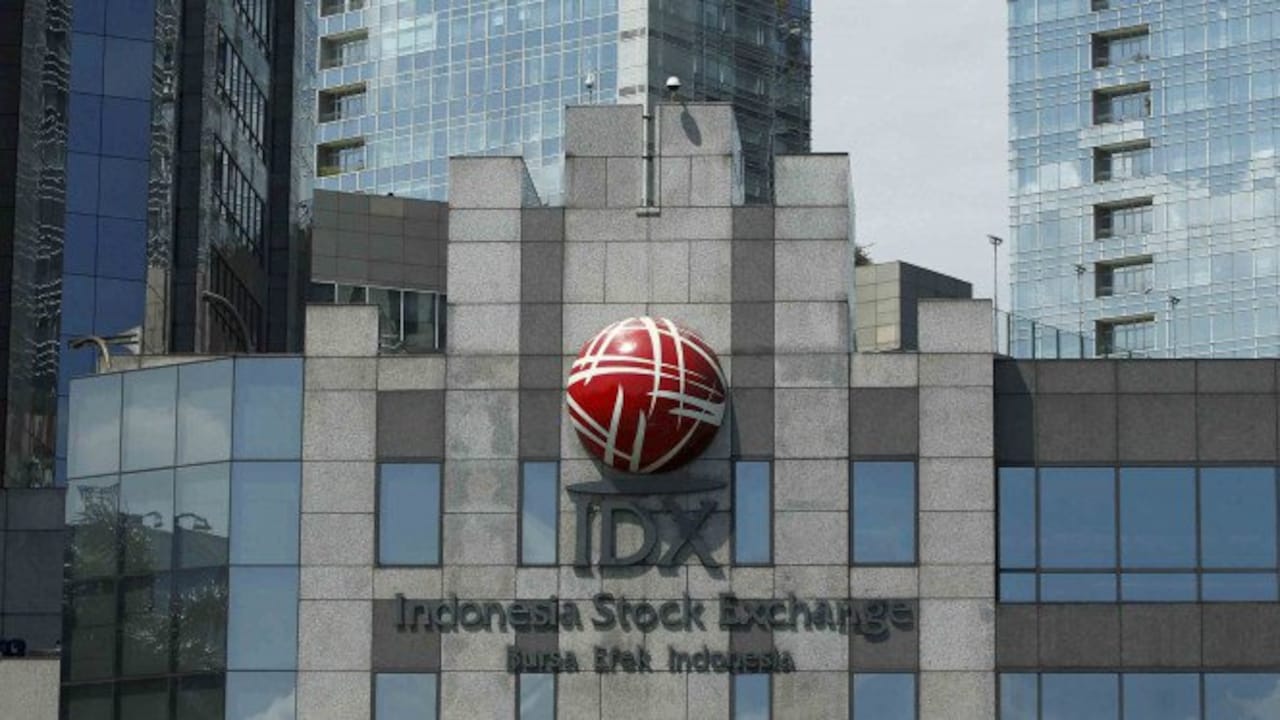
Indonesia’s stock market suffered its steepest single-day fall since 1998 on October 16 after MSCI proposed downgrading the country to standalone-market status.
The Jakarta Composite Index plunged 11.57%, raising fears of billions of dollars in foreign investment outflows. It brings back memories of global markets that endured years, sometimes decades, of disappointing returns.
1. Japan: 1989-2025
Also Read | Layoffs Are Rising In Tech, But These Skills Are Helping People Unlock Better Pay
Japan’s Nikkei 225 took more than 34 years to reclaim its December 1989 record, finally reaching a new high in February 2024. The prolonged recovery followed the collapse of the country’s asset-price bubble.
By 2024, the index’s price return since 1989 remained close to zero in yen terms, although reinvested dividends produced a positive total return.
2. China: 2007-Present
The Shanghai Composite peaked at 6,124.04 in October 2007. By September 2026, it stood at 3,842.19, remaining approximately 37% below that record after nearly 19 years.
Investors who bought near the peak have yet to recover their nominal price-index losses, excluding dividends.
Also Read | Indonesia Faces Billions In Capital Outflows As MSCI Weighs Index Expulsion
3. India: 1992-2002
India’s Sensex experienced a turbulent decade following the 1992 Harshad Mehta securities scam. Although the index crossed 6,000 during the dot-com boom in 2000, it ended 2002 at 3,377.28, below its 1992 high of 4,546.58.
The period illustrates how an interim rally does not guarantee lasting gains.
4. United States: 1962-1982
US equities faced a prolonged period of weak inflation-adjusted returns amid rising inflation, oil shocks and economic instability. A particularly difficult stretch ran from 1966 to 1982, when the S&P 500 generated an annualised real return of -1.4%.
Also Read | Indonesia Stocks Plunge 11% As MSCI Weighs Standalone Market Downgrade
5. Indonesia: 1994-2026
Indonesia’s experience is striking in dollar terms. MSCI data showed its Indonesia Index delivering an annualised price return of minus 0.6% between May 1994 and April 2026, before the latest crash and excluding dividends.
On October 16, the Jakarta Composite Index plunged 11.57% as MSCI raised concerns over market transparency and proposed reclassification.
UBS estimated the move could trigger $4 billion in passive outflows, with active investors potentially adding another $15 billion.
Essential Business Intelligence,
Sharp Market Insights,
Practical Personal Finance Advice, Daily Fuel, Gold and Silver Prices and Latest Stories — On NDTV Profit.


